Artificial intelligence (AI) is no longer a futuristic concept relegated to science fiction. It’s a powerful, transformative Technology rapidly permeating every facet of our lives and industries. From streamlining business operations to revolutionizing healthcare and entertainment, AI’s potential is boundless. This article explores various practical AI use cases that are reshaping our world, providing a glimpse into the present and future of this dynamic field.
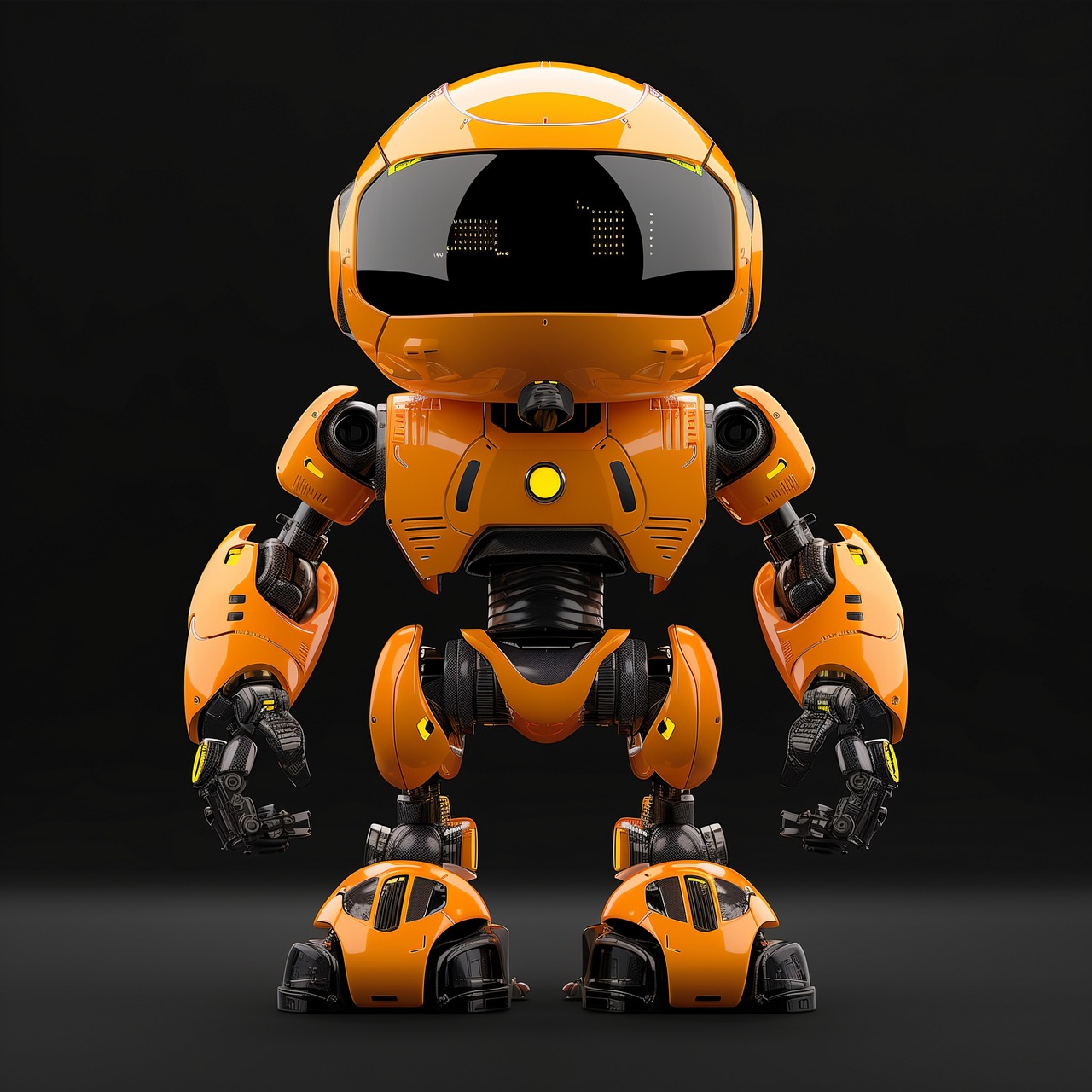
AI in Healthcare
Diagnostics and Personalized Medicine
AI is revolutionizing healthcare diagnostics by analyzing medical images (X-rays, CT scans, MRIs) with remarkable accuracy, often exceeding human capabilities. This leads to earlier and more precise diagnoses, improving patient outcomes.
- Example: AI algorithms can detect subtle signs of cancer on radiology images that might be missed by the human eye, leading to earlier treatment and higher survival rates.
- Personalized medicine: AI can analyze patient data (genetics, lifestyle, medical history) to tailor treatment plans and predict individual responses to medications, improving efficacy and minimizing side effects.
Drug Discovery and Development
The traditional drug discovery process is lengthy and expensive. AI is significantly accelerating this process by analyzing vast datasets of biological and chemical information to identify potential drug candidates and predict their efficacy.
- Example: AI algorithms can simulate the interaction of drug molecules with target proteins, reducing the need for extensive lab experiments and saving time and resources.
- Repurposing existing drugs: AI can identify new uses for existing drugs, bypassing lengthy development processes and bringing treatments to market faster.
Patient Monitoring and Care
AI-powered wearable devices and remote monitoring systems allow for continuous patient monitoring, enabling early detection of health issues and proactive interventions.
- Example: Wearable sensors can track vital signs (heart rate, blood pressure, sleep patterns) and alert healthcare providers to any anomalies, allowing for timely intervention and preventing serious health events.
- AI-powered chatbots: AI chatbots can provide patients with personalized health information, answer frequently asked questions, and schedule appointments, improving access to care and reducing the burden on healthcare providers.
AI in Business and Finance
Customer Service and Support
AI-powered chatbots and virtual assistants are transforming customer service by providing instant, 24/7 support, resolving customer queries efficiently, and improving customer satisfaction.
- Example: AI chatbots can handle a large volume of customer inquiries simultaneously, freeing up human agents to focus on more complex issues. They can also personalize the customer experience by understanding individual preferences and providing tailored recommendations.
- Sentiment analysis: AI algorithms can analyze customer feedback (reviews, social media posts, survey responses) to identify customer sentiment and identify areas for improvement.
Fraud Detection and Risk Management
AI algorithms can analyze financial transactions in real-time to detect fraudulent activities and prevent financial losses.
- Example: AI systems can identify unusual patterns in credit card transactions, such as large purchases or transactions from unfamiliar locations, and flag them for investigation.
- Risk assessment: AI can analyze market data, economic indicators, and company financials to assess investment risks and make more informed investment decisions.
Automation and Process Optimization
AI can automate repetitive tasks, optimize workflows, and improve operational efficiency in various business functions.
- Example: Robotic process automation (RPA) uses AI to automate tasks such as data entry, invoice processing, and customer onboarding, freeing up employees to focus on more strategic and creative work.
- Supply chain optimization: AI can optimize inventory levels, predict demand fluctuations, and improve logistics to reduce costs and improve delivery times.
AI in Education
Personalized Learning
AI can analyze student performance and learning styles to create personalized learning experiences that cater to individual needs and help students learn at their own pace.
- Example: AI-powered tutoring systems can provide students with customized feedback and guidance, adapting to their individual learning needs and helping them master challenging concepts.
- Adaptive testing: AI can adapt the difficulty of test questions based on student performance, providing a more accurate assessment of their knowledge and skills.
Automated Grading and Feedback
AI can automate the grading of assignments and provide students with instant feedback, freeing up teachers to focus on instruction and student support.
- Example: AI algorithms can automatically grade multiple-choice tests, essays, and even code submissions, providing students with immediate feedback on their work.
- Plagiarism detection: AI can detect plagiarism in student work, ensuring academic integrity and promoting original thinking.
Accessibility and Inclusion
AI can provide students with disabilities with assistive technologies that enhance their learning experience and promote inclusion.
- Example: AI-powered screen readers can convert text to speech, allowing visually impaired students to access educational materials.
- Real-time translation: AI can provide real-time translation of lectures and discussions, allowing students who speak different languages to participate fully in the learning environment.
AI in Transportation
Autonomous Vehicles
AI is the driving force behind the development of autonomous vehicles, which have the potential to revolutionize transportation by improving safety, efficiency, and accessibility.
- Example: Self-driving cars use AI algorithms to perceive their surroundings, navigate roads, and make driving decisions without human intervention.
- Reduced accidents: Autonomous vehicles have the potential to significantly reduce traffic accidents caused by human error.
Traffic Management and Optimization
AI can analyze traffic patterns and optimize traffic flow to reduce congestion and improve travel times.
- Example: AI-powered traffic management systems can adjust traffic signals in real-time to optimize traffic flow and reduce congestion during peak hours.
- Predictive traffic analysis: AI can predict traffic congestion based on historical data and real-time events, allowing drivers to avoid congested areas and plan their routes accordingly.
Logistics and Supply Chain Optimization
AI can optimize logistics and supply chain operations by predicting demand, optimizing routes, and improving delivery times.
- Example: AI-powered logistics platforms can optimize delivery routes, consolidate shipments, and track packages in real-time, improving efficiency and reducing costs.
- Warehouse automation: AI can automate warehouse operations, such as picking, packing, and sorting, improving efficiency and reducing labor costs.
Conclusion
AI’s potential applications are vast and continue to expand as the technology evolves. From healthcare to finance, education to transportation, AI is transforming industries and improving our lives in countless ways. While challenges remain, the future of AI is undoubtedly bright, promising even more groundbreaking innovations and transformative impacts in the years to come. Embracing AI and understanding its potential is crucial for individuals and organizations alike to thrive in this rapidly changing world. Keep learning, keep exploring, and stay ahead of the curve in this exciting era of artificial intelligence.
Read our previous article: Zero-Knowledge Proofs: Scaling Ethereum Beyond Limits
Visit Our Main Page https://thesportsocean.com/