Navigating the world of cryptocurrency can feel like exploring a vast, uncharted territory. While Bitcoin often steals the spotlight, a diverse ecosystem of alternative cryptocurrencies, known as altcoins, offers a range of functionalities and investment opportunities. Understanding altcoins is crucial for anyone looking to expand their knowledge and potentially diversify their crypto portfolio. This guide dives deep into the world of altcoins, exploring their origins, types, risks, and potential rewards.
What are Altcoins?
Definition and Origins
Simply put, an altcoin is any cryptocurrency other than Bitcoin. The term “altcoin” is a portmanteau of “alternative coin.” They emerged as developers sought to improve upon Bitcoin’s limitations or introduce new features and use cases.
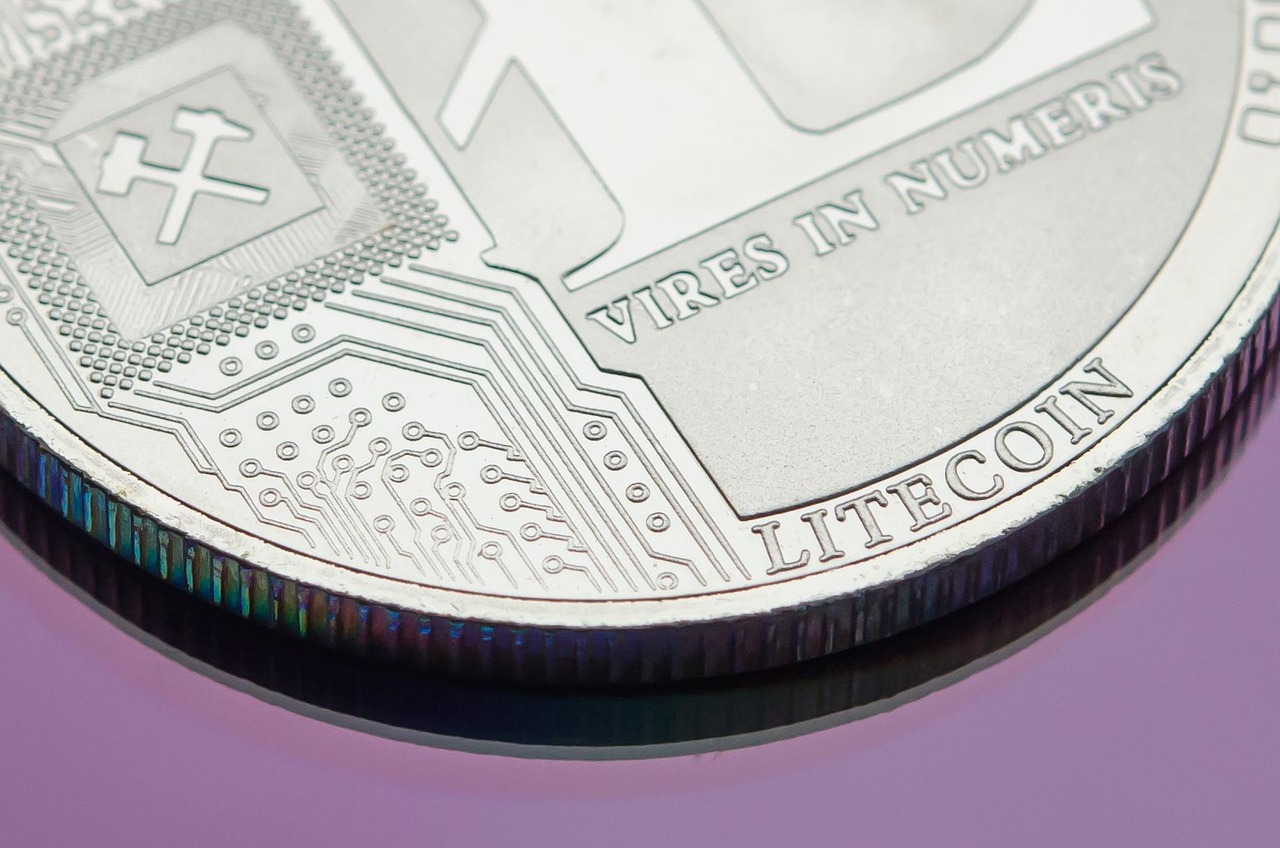
Altcoins started appearing relatively soon after Bitcoin’s creation in 2009. Litecoin, created in 2011, is one of the earliest and most well-known examples, aiming for faster transaction times compared to Bitcoin. Since then, thousands of altcoins have been created, each with varying degrees of success and adoption.
Key Differences from Bitcoin
While sharing the foundational Technology of blockchain, altcoins differ from Bitcoin in several key ways:
- Technology: Altcoins may use different consensus mechanisms (e.g., Proof-of-Stake instead of Bitcoin’s Proof-of-Work), hashing algorithms, or smart contract functionalities.
- Purpose: Bitcoin is primarily designed as a store of value and a decentralized currency. Altcoins often aim to solve specific problems or serve niche markets, such as decentralized finance (DeFi), gaming, or supply chain management.
- Supply: The total supply of Bitcoin is capped at 21 million. Altcoins can have different supply limits, or even no limits at all, which impacts their scarcity and potential value.
- Market Capitalization: Bitcoin dominates the cryptocurrency market in terms of market capitalization. Altcoins typically have significantly lower market caps, making them potentially more volatile.
- Development and Community: Altcoins are often driven by smaller development teams and communities compared to Bitcoin, which can affect their long-term viability.
Types of Altcoins
Mining-Based Altcoins
These altcoins, similar to Bitcoin, rely on Proof-of-Work (PoW) consensus, where miners solve complex cryptographic puzzles to validate transactions and earn new coins. Examples include Litecoin (LTC) and Monero (XMR).
- Litecoin (LTC): Aims for faster transaction confirmations and uses a different hashing algorithm (Scrypt) than Bitcoin (SHA-256). Often referred to as “silver to Bitcoin’s gold.”
- Monero (XMR): Focuses on privacy and anonymity, using advanced cryptographic techniques to obscure transaction details. Employs ring signatures and stealth addresses.
Staking-Based Altcoins
These altcoins use Proof-of-Stake (PoS) consensus, where users “stake” their coins to validate transactions and earn rewards. This is often considered more energy-efficient than Proof-of-Work. Examples include Ethereum (ETH) (post-merge), Cardano (ADA), and Solana (SOL).
- Cardano (ADA): Focuses on a research-driven approach to blockchain development, emphasizing security and scalability. Uses a PoS protocol called Ouroboros.
- Solana (SOL): Known for its high transaction speeds and low fees, utilizing a unique consensus mechanism called Proof-of-History (PoH) in conjunction with PoS.
Stablecoins
Stablecoins are designed to maintain a stable value, typically pegged to a fiat currency like the US dollar. They aim to provide the benefits of cryptocurrency without the extreme price volatility. Examples include Tether (USDT) and USD Coin (USDC).
- Tether (USDT): One of the most widely used stablecoins, pegged to the US dollar on a 1:1 basis (although its reserves have been a subject of scrutiny).
- USD Coin (USDC): Another popular stablecoin, issued by Centre, a consortium founded by Circle and Coinbase. Aims for greater transparency and regulatory compliance.
Meme Coins
Meme coins are cryptocurrencies based on internet memes or jokes. They often gain popularity through social media hype and community support. Examples include Dogecoin (DOGE) and Shiba Inu (SHIB).
- Dogecoin (DOGE): Originally created as a joke, Dogecoin gained a large and enthusiastic community and experienced significant price surges.
- Shiba Inu (SHIB): Inspired by Dogecoin, Shiba Inu aims to be an alternative meme coin and has developed its own ecosystem of decentralized finance (DeFi) applications.
Utility Tokens
These tokens provide access to specific products or services within a blockchain ecosystem. They are not necessarily designed to be stores of value but rather to facilitate transactions within a particular platform or application. Example: Chainlink (LINK).
- Chainlink (LINK): Provides decentralized oracle services, connecting smart contracts with real-world data. Its token, LINK, is used to pay node operators for providing data.
Risks and Considerations of Investing in Altcoins
Volatility
Altcoins are generally more volatile than Bitcoin, meaning their prices can fluctuate dramatically in short periods. This volatility can lead to significant gains but also substantial losses.
Liquidity
Many altcoins have lower trading volumes than Bitcoin, making it more difficult to buy or sell large amounts without affecting the price. This lack of liquidity can increase the risk of price slippage and make it harder to exit positions quickly.
Security
Some altcoins may have vulnerabilities in their code or be susceptible to attacks, potentially leading to loss of funds. It’s crucial to research the security practices and track record of any altcoin before investing.
Regulation
The regulatory landscape for cryptocurrencies is still evolving, and altcoins may face increased scrutiny or restrictions in the future. This regulatory uncertainty can impact their price and adoption.
Scams and Fraud
The altcoin market is prone to scams and fraudulent projects. Investors should be wary of “pump and dump” schemes, where promoters artificially inflate the price of an altcoin and then sell their holdings for a profit, leaving other investors with losses. Thorough research and due diligence are essential.
Practical Tips for Mitigating Risk:
- Diversify your portfolio: Don’t put all your eggs in one basket. Spread your investments across different altcoins and other asset classes.
- Do your own research (DYOR): Understand the technology, purpose, and risks of an altcoin before investing. Read whitepapers, analyze the team behind the project, and assess its community support.
- Only invest what you can afford to lose: Cryptocurrency investments are highly speculative, and you should only invest money that you can afford to lose without impacting your financial stability.
- Use reputable exchanges and wallets: Choose secure and trustworthy platforms for buying, selling, and storing your altcoins.
- Stay informed: Keep up to date with the latest news and developments in the cryptocurrency market.
Opportunities and Potential of Altcoins
Diversification
Altcoins can provide diversification benefits to a cryptocurrency portfolio, allowing investors to explore different technologies and use cases beyond Bitcoin.
High Growth Potential
While riskier, some altcoins have the potential to generate significant returns if they gain adoption and their underlying technology proves successful. Identifying undervalued altcoins with strong fundamentals can be a lucrative strategy.
Innovation
Altcoins are at the forefront of innovation in the blockchain space, driving the development of new technologies and applications. Investing in altcoins can be a way to support and participate in this innovation.
Specific Use Cases
Many altcoins are designed to address specific problems or serve niche markets, offering potential solutions that Bitcoin cannot provide. Examples include altcoins focused on privacy, decentralized finance (DeFi), supply chain management, and gaming.
Earning Passive Income
Some altcoins offer opportunities to earn passive income through staking, yield farming, or lending. Staking involves holding coins in a wallet to support the network and earn rewards. Yield farming involves providing liquidity to decentralized exchanges (DEXs) and earning fees. Lending involves lending out your coins to borrowers and earning interest.
Conclusion
Navigating the world of altcoins requires careful research, due diligence, and a thorough understanding of the associated risks. While altcoins offer the potential for high growth and innovation, they are also inherently volatile and susceptible to scams. By diversifying your portfolio, conducting thorough research, and staying informed, you can increase your chances of success in the altcoin market. Always remember to only invest what you can afford to lose and to prioritize security and risk management. The future of altcoins is uncertain, but their potential to disrupt and transform various industries remains significant.
Read our previous article: Beyond Automation: Digital Transformations Human-First Renaissance
Visit Our Main Page https://thesportsocean.com/