Here’s a detailed, SEO-friendly blog post about liquidity pools, designed to be informative and engaging for readers interested in decentralized finance (DeFi):
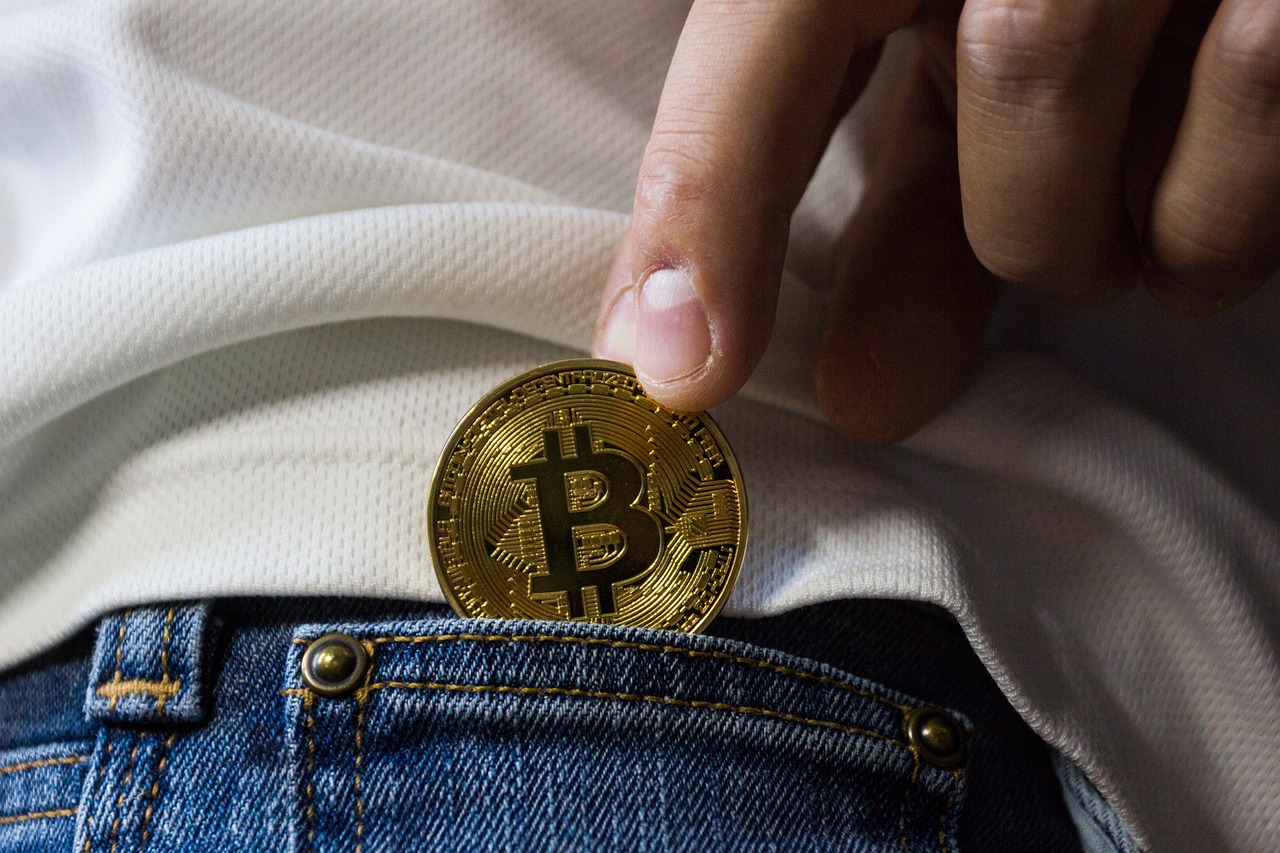
Liquidity pools have revolutionized the world of decentralized finance (DeFi), offering a dynamic and accessible way for individuals to participate in cryptocurrency trading and earn rewards. Unlike traditional exchanges that rely on order books, liquidity pools utilize automated market makers (AMMs) to facilitate trades. This allows for seamless token swaps and provides liquidity providers with the opportunity to earn fees on their deposited assets. Let’s delve into the intricacies of liquidity pools and understand how they function.
Understanding Liquidity Pools
What is a Liquidity Pool?
A liquidity pool is essentially a collection of cryptocurrencies locked in a smart contract. This pool of funds facilitates trading and lending on decentralized exchanges (DEXs) and other DeFi platforms. Liquidity pools eliminate the need for traditional market makers, allowing users to trade directly against the pool’s reserves. These pools are crucial for the functioning of DeFi, enabling decentralized trading, lending, and other financial services.
How Liquidity Pools Work
Liquidity pools operate using Automated Market Makers (AMMs), algorithms that determine the price of assets based on the pool’s supply and demand. The most common AMM formula is `x y = k`, where:
- `x` represents the quantity of one token in the pool.
- `y` represents the quantity of the other token in the pool.
- `k` is a constant value, ensuring that the total liquidity in the pool remains constant.
When a trade occurs, tokens are exchanged between the trader and the pool, adjusting the ratio of tokens in the pool. The price adjusts automatically to maintain the constant product `k`.
For example, consider a liquidity pool for ETH/USDT. If someone buys ETH with USDT, they add USDT to the pool and receive ETH. This increases the supply of USDT and decreases the supply of ETH, causing the price of ETH to rise relative to USDT.
The Role of Liquidity Providers
Liquidity Providers (LPs) are users who contribute tokens to the liquidity pool. In return for providing liquidity, LPs earn a portion of the trading fees generated by the pool. These fees are typically proportional to the amount of liquidity they contribute.
- LPs deposit an equivalent value of two or more tokens into the pool (e.g., 50% ETH and 50% USDT).
- They receive LP tokens representing their share of the pool.
- When trades occur, a small fee (e.g., 0.3%) is charged and distributed to LPs based on their share of the pool.
- LPs can redeem their LP tokens to withdraw their original tokens plus any earned fees.
- Example: If you provide 10% of the total liquidity in an ETH/USDT pool and the pool generates $1,000 in trading fees, you would earn $100.
Benefits of Liquidity Pools
Decentralized Trading
Liquidity pools facilitate decentralized trading by allowing users to trade directly from their wallets without relying on centralized exchanges. This enhances security and reduces the risk of censorship.
Passive Income
LPs can earn passive income by providing liquidity to pools. This is especially attractive for long-term holders of cryptocurrencies. Trading fees provide a constant source of revenue, allowing users to earn rewards on their holdings.
Reduced Slippage
Larger liquidity pools lead to reduced slippage, which is the difference between the expected price and the actual price of a trade. Lower slippage improves the trading experience and makes it more cost-effective.
Accessibility
Liquidity pools make it easy for anyone to participate in cryptocurrency trading. The barrier to entry is low, allowing users with even small amounts of capital to contribute to the ecosystem and earn rewards.
Increased Market Efficiency
By providing a continuous source of liquidity, liquidity pools help to improve market efficiency. They reduce the bid-ask spread and facilitate price discovery.
Risks Associated with Liquidity Pools
Impermanent Loss
Impermanent loss is a key risk to consider. It occurs when the price of the tokens in the liquidity pool diverges, leading to a decrease in the dollar value of your LP tokens compared to simply holding the tokens outside the pool. This loss is “impermanent” because it only becomes realized if you withdraw your tokens.
- Impermanent loss is more likely to occur in pools with high price volatility between the tokens.
- It’s crucial to understand the potential for impermanent loss before providing liquidity.
Smart Contract Risks
Liquidity pools are governed by smart contracts, which are susceptible to bugs and exploits. If a vulnerability is discovered and exploited, LPs could lose their funds.
- It’s essential to choose reputable DeFi platforms with audited smart contracts.
- Diversifying your liquidity across multiple pools can mitigate the risk of smart contract failures.
Rug Pulls and Scams
Some DeFi projects may be scams designed to steal users’ funds. These scams often involve creating fake tokens or manipulating liquidity pools.
- Thoroughly research any DeFi project before participating.
- Be wary of projects promising unrealistically high returns.
Regulatory Risks
The regulatory landscape surrounding DeFi is still evolving. Changes in regulations could impact the legality and viability of liquidity pools.
- Stay informed about the latest regulatory developments in the DeFi space.
- Consider the potential regulatory risks before investing in liquidity pools.
How to Participate in Liquidity Pools
Choosing a Platform
Several DeFi platforms offer liquidity pool services. Popular platforms include:
- Uniswap: A leading decentralized exchange on Ethereum.
- PancakeSwap: A popular DEX on Binance Smart Chain.
- SushiSwap: Another well-known DEX with various features.
- Curve Finance: Specializes in stablecoin swaps with low slippage.
Selecting a Pool
When choosing a liquidity pool, consider the following factors:
- Trading Volume: Pools with higher trading volume tend to generate more fees.
- APR (Annual Percentage Rate): The APR represents the estimated return on your investment.
- Impermanent Loss Potential: Assess the volatility of the tokens in the pool to estimate the risk of impermanent loss.
- Platform Reputation: Choose platforms with a solid track record and strong security measures.
Providing Liquidity
Once you’ve selected a platform and a pool, you can provide liquidity by:
Monitoring Your Investment
Regularly monitor your investment to track your earnings and assess the risk of impermanent loss. Consider withdrawing your liquidity if the pool’s conditions change or if you become concerned about the project’s security.
Conclusion
Liquidity pools are a cornerstone of the DeFi ecosystem, enabling decentralized trading and providing opportunities for users to earn passive income. While they offer numerous benefits, it’s crucial to understand the associated risks, including impermanent loss and smart contract vulnerabilities. By carefully selecting pools, monitoring your investment, and staying informed about the latest developments in the DeFi space, you can harness the power of liquidity pools and participate in the future of finance.
Read our previous article: Algorithmic Bias: Reimagining Fairness In Neural Networks
Visit Our Main Page https://thesportsocean.com/