Altcoins: Beyond Bitcoin – A Comprehensive Guide to Alternative Cryptocurrencies
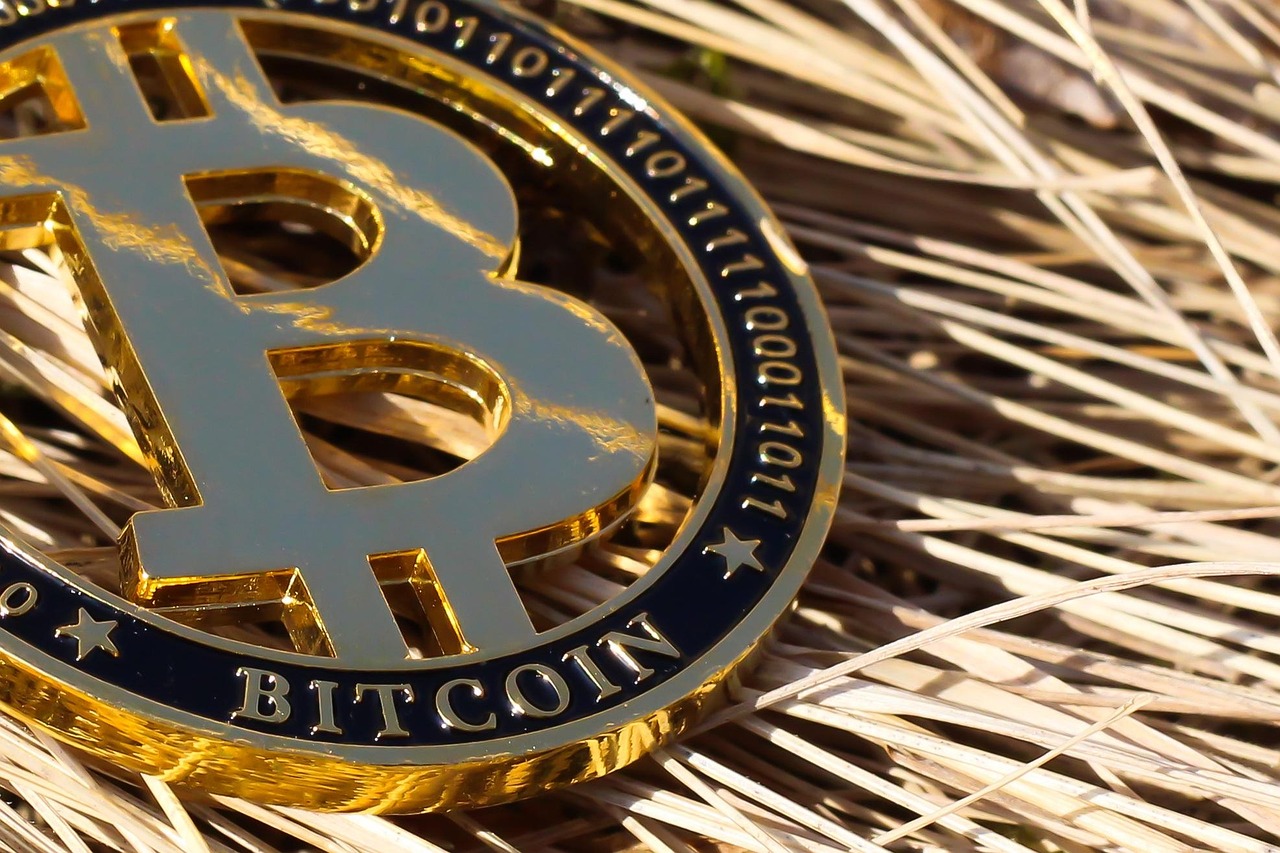
The world of cryptocurrency extends far beyond Bitcoin. Since Bitcoin’s inception in 2009, thousands of alternative cryptocurrencies, known as altcoins, have emerged, each with unique features, functionalities, and underlying technologies. This comprehensive guide explores the diverse landscape of altcoins, providing insights into their purpose, benefits, risks, and potential for investment.
What are Altcoins?
Altcoins are simply any cryptocurrency that is not Bitcoin. They represent a vast and varied ecosystem, seeking to improve upon Bitcoin’s limitations or offer entirely novel applications. Understanding the diverse motivations behind altcoins is key to navigating this complex market.
Types of Altcoins
Altcoins can be categorized in several ways, reflecting their purpose and underlying technology:
- Mining-Based Altcoins: These altcoins, like Litecoin and Monero, use mining algorithms similar to Bitcoin, allowing users to earn rewards for verifying transactions and securing the network. Litecoin, for example, uses the Scrypt hashing algorithm, designed to be more accessible to everyday computers than Bitcoin’s SHA-256.
- Stablecoins: These cryptocurrencies, such as Tether (USDT) and USD Coin (USDC), are pegged to a stable asset, like the US dollar, to minimize price volatility. They are widely used for trading and remittance purposes. Stablecoins aim to offer the benefits of cryptocurrencies while maintaining price stability, making them appealing to risk-averse investors.
- Security Tokens: These tokens represent ownership in a real-world asset, such as equity in a company or real estate. They are subject to securities regulations and offer investors fractional ownership and increased liquidity.
- Utility Tokens: These tokens grant access to a specific product or service within a blockchain ecosystem. For example, Basic Attention Token (BAT) is used within the Brave browser to reward users for viewing ads.
- Governance Tokens: These tokens give holders the right to participate in the decision-making process of a blockchain project. Holders can vote on proposals and influence the future development of the platform. An example is Maker (MKR), which governs the MakerDAO and Dai stablecoin.
- Meme Coins: These altcoins, often based on internet memes or jokes, have gained significant popularity due to their viral nature and community-driven movements. Dogecoin and Shiba Inu are prime examples. While they can offer quick returns, they are highly volatile and carry significant risk.
Motivations for Creating Altcoins
Developers create altcoins for a variety of reasons:
- Improved Scalability: Some altcoins aim to address Bitcoin’s scalability limitations by processing transactions faster and more efficiently. Examples include Ripple (XRP) and Solana (SOL), which employ different consensus mechanisms to achieve higher transaction throughput.
- Enhanced Privacy: Privacy-focused altcoins, such as Monero (XMR) and Zcash (ZEC), offer enhanced anonymity features to protect user identities and transaction details. Monero uses ring signatures and stealth addresses to obscure transaction origins and destinations.
- New Functionality: Altcoins can introduce new functionalities and applications that Bitcoin does not offer, such as smart contracts (Ethereum) or decentralized file storage (Filecoin).
- Community and Ideology: Some altcoins are created to align with specific values or ideologies, such as decentralization, censorship resistance, or environmental sustainability.
Benefits of Investing in Altcoins
Investing in altcoins can offer potential benefits, but it also comes with significant risks. Careful research and risk management are crucial.
Potential for High Returns
Altcoins, particularly those with innovative technology or strong community support, have the potential to generate substantial returns. Identifying promising projects early on can lead to significant gains.
- Example: Investing in Ethereum (ETH) in its early stages yielded massive returns as the platform gained traction and adoption. Similarly, Solana (SOL) saw significant price appreciation due to its high-performance blockchain capabilities.
Diversification of Portfolio
Altcoins can provide diversification benefits to a cryptocurrency portfolio, reducing overall risk. By investing in a variety of altcoins with different characteristics and use cases, investors can mitigate the impact of any single asset’s performance.
- Tip: Consider diversifying across different types of altcoins, such as stablecoins, utility tokens, and privacy coins, to create a well-rounded portfolio.
Access to New Technologies
Investing in altcoins allows investors to gain exposure to cutting-edge blockchain technologies and innovative projects. By supporting these projects, investors can contribute to the growth and development of the cryptocurrency ecosystem.
- Example: Investing in projects building on decentralized finance (DeFi) protocols like Aave or Compound allows investors to participate in the growth of decentralized lending and borrowing markets.
Risks Associated with Altcoins
Investing in altcoins is inherently risky, and understanding these risks is crucial for making informed decisions.
High Volatility
Altcoins are generally more volatile than Bitcoin, making them susceptible to significant price swings. Market sentiment, news events, and regulatory changes can all have a significant impact on altcoin prices.
- Example: Meme coins like Dogecoin and Shiba Inu are notorious for their extreme volatility, often experiencing massive price pumps followed by sharp corrections.
Lower Liquidity
Many altcoins have lower trading volumes and liquidity compared to Bitcoin, making it more difficult to buy or sell large amounts without affecting the price. This can lead to slippage and increased transaction costs.
- Tip: Stick to altcoins with sufficient trading volume on reputable exchanges to minimize liquidity risks.
Security Vulnerabilities
Altcoins may be vulnerable to security breaches, hacks, and scams. Smart contract flaws, exchange hacks, and phishing attacks can result in the loss of funds.
- Example: The DAO hack in 2016, which exploited a vulnerability in the Ethereum-based decentralized autonomous organization, resulted in the theft of millions of dollars worth of Ether.
Regulatory Uncertainty
The regulatory landscape for altcoins is still evolving, and regulatory changes can have a significant impact on their value and adoption. Governments may impose restrictions on certain altcoins or ban them altogether.
- Example: China’s crackdown on cryptocurrency trading and mining has had a negative impact on the prices of many altcoins.
How to Choose Altcoins for Investment
Selecting the right altcoins for investment requires careful research, due diligence, and a thorough understanding of the market.
Research and Due Diligence
- Understand the Technology: Thoroughly research the underlying technology of the altcoin, including its consensus mechanism, scalability, and security features. Read the whitepaper and technical documentation.
- Assess the Team: Evaluate the team behind the project, including their experience, expertise, and track record. Look for projects with strong, reputable teams.
- Analyze the Community: Assess the size and engagement of the altcoin’s community. A strong, active community can be a positive indicator of the project’s potential.
- Evaluate the Use Case: Determine the real-world use case for the altcoin and its potential for adoption. Look for projects that solve a specific problem or offer a unique value proposition.
Risk Management Strategies
- Diversify Your Portfolio: Don’t put all your eggs in one basket. Diversify your altcoin investments across multiple projects with different characteristics and use cases.
- Set Stop-Loss Orders: Use stop-loss orders to limit potential losses. A stop-loss order automatically sells your altcoin if the price falls below a certain level.
- Invest What You Can Afford to Lose: Only invest money that you can afford to lose. Altcoins are highly volatile, and there is always a risk of losing your entire investment.
- Stay Informed: Keep up-to-date with the latest news, trends, and developments in the cryptocurrency market. Follow reputable news sources and industry experts.
Examples of promising Altcoins (Illustrative and Not Investment Advice)
It is important to conduct your own research before investing in any altcoin. The following are examples for illustrative purposes only and should not be considered investment advice.
- Ethereum (ETH): A leading platform for decentralized applications and smart contracts.
- Cardano (ADA): A blockchain platform focused on sustainability, scalability, and interoperability.
- Solana (SOL): A high-performance blockchain platform known for its fast transaction speeds and low fees.
- Polkadot (DOT): A multi-chain platform that enables different blockchains to interoperate.
- Chainlink (LINK): A decentralized oracle network that provides real-world data to smart contracts.
Conclusion
Investing in altcoins can be a rewarding but risky endeavor. Understanding the different types of altcoins, their potential benefits, and associated risks is essential for making informed investment decisions. By conducting thorough research, implementing sound risk management strategies, and staying informed about market developments, investors can navigate the complex landscape of altcoins and potentially capitalize on the opportunities they offer. Remember to always do your own research and consult with a financial advisor before making any investment decisions. The information provided here is for educational purposes only and should not be construed as financial advice.
Read our previous article: Beyond Pixels: Designing Digital Experiences For Human Connection
Visit Our Main Page https://thesportsocean.com/