Cryptocurrency has rapidly transformed from a niche concept into a mainstream phenomenon, capturing the attention of investors, technologists, and the general public alike. But what exactly is cryptocurrency, and why is it causing such a stir? This blog post will provide a comprehensive overview of cryptocurrency, exploring its underlying Technology, its benefits and risks, and its potential future impact.
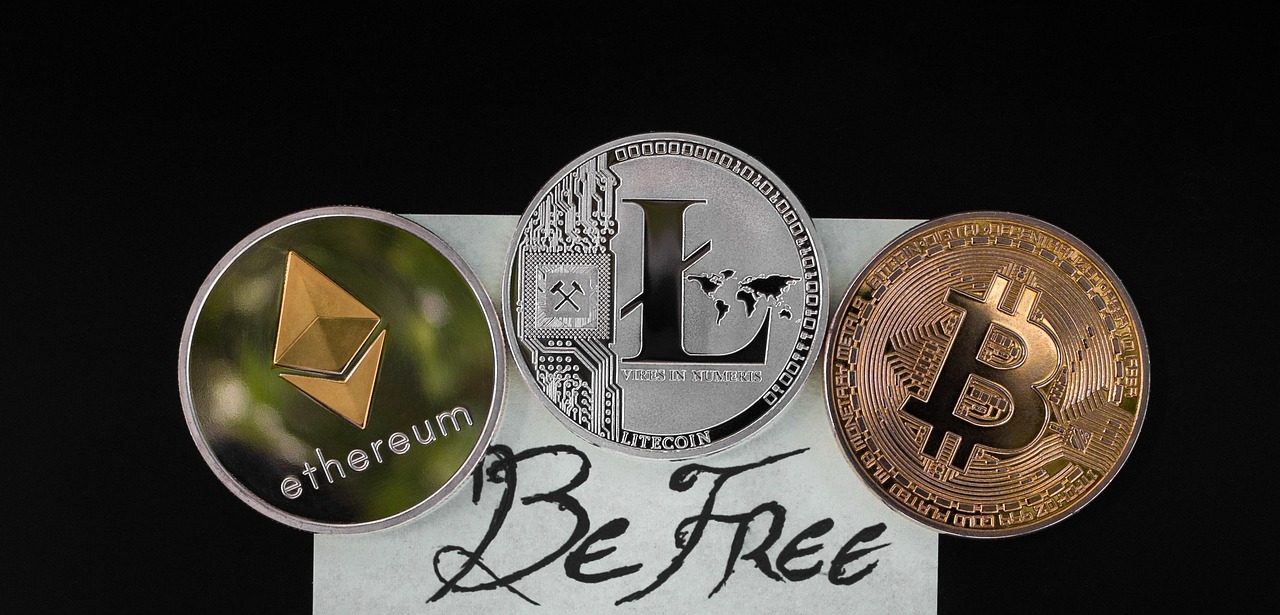
Understanding Cryptocurrency: A Digital Revolution
What is Cryptocurrency?
Cryptocurrency is a digital or virtual currency that utilizes cryptography for security. Unlike traditional currencies issued by central banks, cryptocurrencies operate on a decentralized technology called blockchain. This decentralization means that no single entity controls the currency, making it resistant to censorship and single points of failure.
- Decentralized: Operates without a central authority like a bank or government.
- Cryptographically Secured: Uses complex algorithms to secure transactions and control the creation of new units.
- Digital: Exists only in electronic form.
- Example: Bitcoin, the first and most well-known cryptocurrency, pioneered the use of blockchain technology. Transactions are recorded on a public ledger, making them transparent and verifiable.
How Does Cryptocurrency Work?
At its core, cryptocurrency relies on blockchain technology. Think of a blockchain as a digital ledger that records all transactions in blocks. Each block is linked to the previous one, forming a chain. This chain is distributed across a network of computers, making it incredibly difficult to alter or tamper with the data.
- Blockchain: A distributed, immutable ledger that records transactions.
- Mining/Staking: Mechanisms for validating transactions and adding new blocks to the blockchain (e.g., Proof-of-Work for Bitcoin, Proof-of-Stake for Ethereum).
- Wallets: Digital wallets store your cryptocurrency and allow you to send and receive transactions.
- Example: When you send Bitcoin to someone, the transaction is broadcast to the Bitcoin network. Miners (or validators in Proof-of-Stake systems) verify the transaction by solving complex cryptographic puzzles. Once verified, the transaction is added to a new block in the blockchain, and the recipient receives the Bitcoin.
Benefits of Cryptocurrency
Decentralization and Autonomy
One of the primary appeals of cryptocurrency is its decentralized nature. This means that individuals have more control over their funds and are not subject to the whims of governments or financial institutions.
- Reduced Reliance on Intermediaries: Allows peer-to-peer transactions without banks or payment processors.
- Financial Inclusion: Provides access to financial services for those excluded from traditional banking systems.
- Resistance to Censorship: Difficult for governments or institutions to censor or control transactions.
- Example: In countries with unstable financial systems or strict capital controls, cryptocurrency can offer a more reliable and accessible alternative for storing and transferring value.
Transparency and Security
Blockchain technology provides a high degree of transparency, as all transactions are recorded on a public ledger. While transactions are pseudonymous (not directly linked to real-world identities), anyone can view the transaction history of a particular address. Cryptographic security ensures that transactions are secure and tamper-proof.
- Immutable Records: Transactions are permanently recorded on the blockchain and cannot be altered.
- Enhanced Security: Cryptography makes it difficult for malicious actors to compromise the system.
- Transparency: All transactions are publicly visible on the blockchain.
- Example: Using a block explorer like Blockchain.com, you can view all transactions on the Bitcoin blockchain, including the sender’s address, the recipient’s address, and the amount transferred.
Potential for Investment and Innovation
Cryptocurrency has emerged as a new asset class with the potential for high returns. The underlying technology, blockchain, is also driving innovation in various industries, from finance to supply chain management.
- Investment Opportunities: Cryptocurrency prices can be volatile, offering opportunities for traders and investors.
- Technological Innovation: Blockchain technology is being used to develop new applications and solutions across different sectors.
- Decentralized Finance (DeFi): A growing ecosystem of financial applications built on blockchain technology.
- Example: Decentralized finance (DeFi) platforms offer services like lending, borrowing, and trading without traditional intermediaries. These platforms leverage smart contracts to automate financial processes.
Risks and Challenges of Cryptocurrency
Volatility and Market Risks
Cryptocurrency prices are notoriously volatile, meaning they can fluctuate dramatically in short periods. This volatility can lead to significant gains, but also substantial losses.
- Price Swings: Cryptocurrency prices are highly susceptible to market sentiment, news events, and regulatory changes.
- Market Manipulation: The cryptocurrency market is vulnerable to manipulation due to its relatively small size and lack of regulation.
- Liquidity Issues: Some cryptocurrencies have low trading volumes, making it difficult to buy or sell them quickly without affecting the price.
- Example: Bitcoin’s price has seen significant fluctuations over the years, experiencing bull markets followed by sharp corrections. Investors should be prepared for potential losses and only invest what they can afford to lose.
Security Risks and Scams
Despite the cryptographic security of the blockchain, cryptocurrency users are still vulnerable to security risks such as hacking, phishing scams, and malware.
- Hacking: Cryptocurrency exchanges and wallets can be targeted by hackers.
- Phishing Scams: Users can be tricked into revealing their private keys or login credentials.
- Malware: Malware can be used to steal cryptocurrency from users’ devices.
- Example: The Mt. Gox hack in 2014 resulted in the loss of hundreds of thousands of Bitcoins, highlighting the importance of security measures such as using strong passwords, enabling two-factor authentication, and storing cryptocurrency in a Hardware wallet.
Regulatory Uncertainty
The regulatory landscape for cryptocurrency is still evolving, and there is a lack of clarity in many jurisdictions. This uncertainty can create challenges for businesses and investors.
- Varying Regulations: Different countries have different regulations regarding cryptocurrency, making it difficult to navigate the legal landscape.
- Tax Implications: Cryptocurrency transactions may be subject to taxes, and it is important to understand the tax implications in your jurisdiction.
- Potential for Crackdowns: Governments may take action to restrict or ban cryptocurrency in certain circumstances.
- Example: Some countries have adopted a friendly approach to cryptocurrency, while others have imposed strict regulations or outright bans. Investors and businesses should stay informed about the regulatory environment in their respective jurisdictions.
The Future of Cryptocurrency
Adoption and Mainstream Integration
Cryptocurrency is becoming increasingly integrated into mainstream financial systems. More and more businesses are accepting cryptocurrency as payment, and financial institutions are exploring ways to incorporate blockchain technology into their operations.
- Increased Adoption: More businesses and individuals are using cryptocurrency for transactions and investments.
- Institutional Involvement: Institutional investors are increasingly allocating capital to cryptocurrency assets.
- Integration with Traditional Finance: Cryptocurrency is being integrated into traditional financial systems through products like ETFs and custody services.
- Example: Companies like Tesla and MicroStrategy have invested heavily in Bitcoin, signaling growing institutional interest in the asset class.
Technological Advancements and Innovation
Blockchain technology is constantly evolving, with new innovations emerging all the time. These advancements are improving the scalability, security, and usability of cryptocurrency.
- Scalability Solutions: New technologies like layer-2 scaling solutions are addressing the scalability issues of blockchains like Bitcoin and Ethereum.
- Smart Contracts: Smart contracts are enabling the development of decentralized applications and automating complex agreements.
- New Cryptocurrencies: New cryptocurrencies are being developed with specific use cases and features.
- Example: Ethereum 2.0 aims to address the scalability issues of the Ethereum network by transitioning to a Proof-of-Stake consensus mechanism and implementing sharding technology.
Potential Impact on Society
Cryptocurrency has the potential to transform various aspects of society, from finance to governance.
- Decentralized Governance: Blockchain technology can be used to create decentralized governance systems, empowering communities and reducing corruption.
- Financial Inclusion: Cryptocurrency can provide access to financial services for those excluded from traditional banking systems.
- Innovation and Economic Growth: Blockchain technology can drive innovation and economic growth by enabling new business models and creating new opportunities.
- Example:* Blockchain-based identity management systems can provide individuals with greater control over their personal data and reduce the risk of identity theft.
Conclusion
Cryptocurrency represents a significant technological and financial innovation with the potential to reshape the world. While it offers numerous benefits, including decentralization, transparency, and financial inclusion, it also presents risks such as volatility, security vulnerabilities, and regulatory uncertainty. By understanding these aspects, individuals and businesses can make informed decisions about whether and how to engage with cryptocurrency. As the technology continues to evolve and adoption grows, cryptocurrency is poised to play an increasingly important role in the future of finance and beyond.
Read our previous article: Platform Engineering: Architecting Developer Velocity And Resilience
Visit Our Main Page https://thesportsocean.com/