Building a diverse and well-managed crypto portfolio is crucial for navigating the exciting yet volatile world of cryptocurrencies. Whether you’re a seasoned investor or just dipping your toes into the Digital asset space, understanding how to construct and maintain a balanced portfolio can significantly impact your long-term financial success. This guide will provide a comprehensive overview of crypto portfolio management, covering key strategies, tools, and best practices to help you achieve your investment goals.
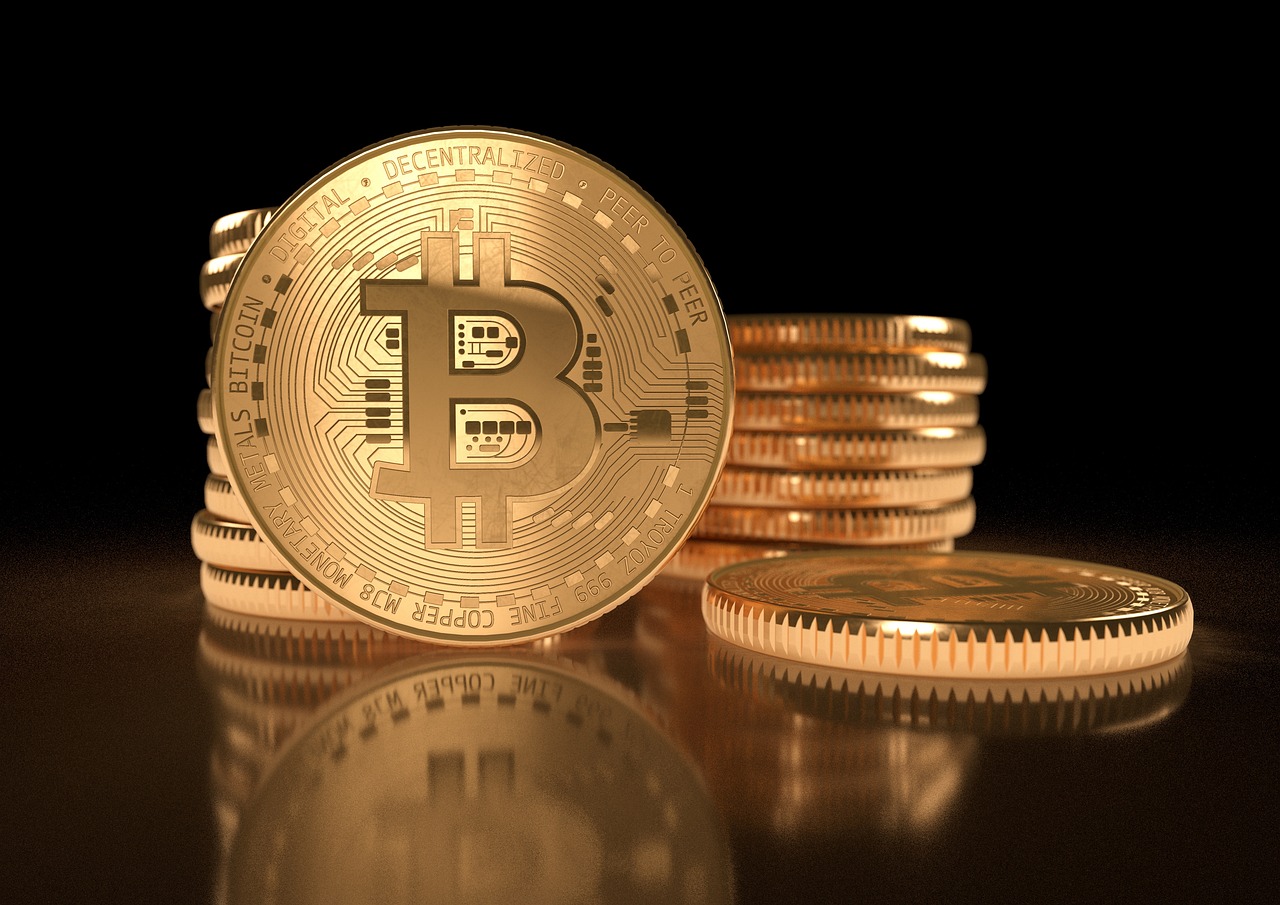
Understanding the Basics of a Crypto Portfolio
What is a Crypto Portfolio?
A crypto portfolio is a collection of various cryptocurrencies and digital assets held by an individual or entity. Similar to a traditional investment portfolio comprising stocks, bonds, and other assets, a crypto portfolio aims to diversify risk and maximize potential returns within the cryptocurrency market. This could include coins like Bitcoin (BTC), Ethereum (ETH), Solana (SOL), Cardano (ADA), and many others. The key is to select assets that align with your risk tolerance and investment objectives.
Why Diversify Your Crypto Holdings?
Diversification is paramount in the crypto market due to its inherent volatility. Spreading your investments across multiple cryptocurrencies can mitigate the impact of any single asset’s poor performance. Here are the key benefits of diversification:
- Reduces Risk: If one cryptocurrency declines in value, the others can potentially offset the losses.
- Increases Potential Returns: Exposure to different projects with varying growth potentials enhances the opportunity to benefit from market uptrends.
- Captures Emerging Trends: Diversification allows you to capitalize on new and emerging trends within the crypto space, such as DeFi, NFTs, and Web3.
- Adapts to Market Volatility: A well-diversified portfolio is better positioned to weather market fluctuations and maintain long-term stability.
For example, instead of putting all your capital into Bitcoin, consider allocating a portion to Ethereum for its smart contract capabilities, and perhaps some to smaller altcoins with high growth potential, while acknowledging the higher risk.
Building Your Crypto Portfolio: A Step-by-Step Guide
Defining Your Investment Goals
Before investing, it’s crucial to define your financial goals and risk tolerance. Are you aiming for long-term capital appreciation, passive income through staking, or short-term profits through trading? Your goals will dictate your investment strategy and asset allocation.
- Determine your risk tolerance: Are you comfortable with high-risk, high-reward investments, or do you prefer a more conservative approach?
- Set clear investment objectives: What are you hoping to achieve with your crypto investments (e.g., retirement savings, down payment on a house)?
- Establish a time horizon: How long do you plan to hold your investments (e.g., short-term, medium-term, long-term)?
Researching Cryptocurrencies and Projects
Thorough research is essential before investing in any cryptocurrency. Understand the Technology, use case, team, and market capitalization of each project. Utilize resources like whitepapers, online forums, and crypto news websites.
- Read whitepapers: Understand the project’s goals, technology, and roadmap.
- Analyze market capitalization: A larger market cap typically indicates a more established and less volatile asset.
- Evaluate the team: Research the team members’ experience and track record.
- Assess the community support: A strong and active community can be a positive indicator of a project’s potential.
- Understand the use case: Is the cryptocurrency solving a real-world problem?
Allocating Your Portfolio
Once you’ve identified potential investments, allocate your capital based on your risk tolerance and investment goals. A common strategy is to allocate a larger percentage to established cryptocurrencies like Bitcoin and Ethereum, and a smaller percentage to higher-risk altcoins.
- Core Holdings (50-70%): Allocate the majority of your portfolio to established cryptocurrencies like Bitcoin and Ethereum, providing stability and long-term growth potential.
- Growth Assets (20-30%): Invest in promising altcoins with strong fundamentals and growth potential, such as Solana, Cardano, or Polkadot.
- Speculative Assets (10-20%): Allocate a smaller portion of your portfolio to high-risk, high-reward cryptocurrencies with the potential for significant gains. This could include emerging DeFi projects or NFTs.
Example:
- Bitcoin: 50%
- Ethereum: 20%
- Solana: 15%
- Cardano: 10%
- New DeFi project: 5%
Crypto Portfolio Management Strategies
Rebalancing Your Portfolio
Regularly rebalancing your portfolio is crucial to maintain your desired asset allocation. This involves selling assets that have increased in value and buying assets that have decreased, bringing your portfolio back into alignment with your original allocation strategy.
- Set a rebalancing schedule: Rebalance your portfolio quarterly, bi-annually, or annually, depending on your investment strategy and risk tolerance.
- Monitor asset performance: Track the performance of each cryptocurrency in your portfolio and identify assets that have deviated significantly from your target allocation.
- Adjust your holdings: Sell overperforming assets and buy underperforming assets to restore your desired allocation.
For example, if your initial allocation was 50% Bitcoin and 50% Ethereum, and Bitcoin’s value doubles while Ethereum remains the same, you would sell some Bitcoin and buy Ethereum to bring the portfolio back to a 50/50 split.
Dollar-Cost Averaging (DCA)
Dollar-Cost Averaging (DCA) is a strategy where you invest a fixed amount of money into a cryptocurrency at regular intervals, regardless of its price. This helps to mitigate the impact of market volatility and reduces the risk of buying at a market peak.
- Invest a fixed amount regularly: Choose an amount you’re comfortable investing (e.g., $100 per week) and consistently purchase cryptocurrency at regular intervals.
- Reduce emotional decision-making: DCA removes the temptation to time the market, as you’re investing regardless of price fluctuations.
- Average out your purchase price: Over time, DCA can help you achieve a lower average purchase price than if you had invested a lump sum at a single point in time.
Risk Management Techniques
Implementing risk management techniques is essential for protecting your capital and minimizing potential losses in the volatile crypto market.
- Set stop-loss orders: A stop-loss order automatically sells your cryptocurrency when it reaches a certain price, limiting your potential losses.
- Use take-profit orders: A take-profit order automatically sells your cryptocurrency when it reaches a certain price, securing your profits.
- Diversify across multiple exchanges: Spreading your holdings across multiple exchanges reduces the risk of losing your funds if one exchange experiences a security breach or technical issue.
- Secure your crypto with hardware wallets: Hardware wallets provide a secure way to store your cryptocurrencies offline, protecting them from online hacking attempts. Ledger and Trezor are popular examples.
Tools and Resources for Crypto Portfolio Management
Crypto Portfolio Trackers
Several tools and platforms can help you track your crypto portfolio’s performance, monitor market trends, and manage your assets effectively.
- CoinMarketCap: Provides comprehensive market data, price charts, and portfolio tracking tools.
- CoinGecko: Offers similar features to CoinMarketCap, with additional tools for analyzing cryptocurrency projects and tracking decentralized finance (DeFi) metrics.
- Blockfolio (FTX App): A mobile-first portfolio tracker that allows you to monitor your holdings across multiple exchanges and wallets.
- Delta: Another popular portfolio tracking app with advanced features and customization options.
- Cointracker: Cointracker specializes in calculating crypto taxes, which can be very useful come tax season.
Crypto Exchanges and Wallets
Choosing the right exchanges and wallets is crucial for securely buying, selling, and storing your cryptocurrencies.
- Coinbase: A user-friendly exchange popular among beginners, offering a wide range of cryptocurrencies and secure storage options.
- Binance: A leading global exchange with a wide selection of cryptocurrencies and advanced trading features.
- Kraken: A reputable exchange with a strong focus on security and compliance.
- Ledger Nano S/X: Hardware wallets that provide secure offline storage for your cryptocurrencies.
- Trezor: Another popular hardware wallet with similar features to Ledger.
- MetaMask: A Software wallet primarily used for interacting with decentralized applications (dApps) on the Ethereum blockchain.
Crypto News and Analysis Platforms
Staying informed about the latest news and trends in the crypto market is essential for making informed investment decisions.
- CoinDesk: A leading news website covering the latest developments in the cryptocurrency and blockchain industry.
- Cointelegraph: Another reputable news website with a focus on crypto news, analysis, and opinion pieces.
- Decrypt: A news website that aims to explain complex crypto concepts in a clear and accessible manner.
- Messari: Provides in-depth research and analysis on cryptocurrency projects and the broader crypto market.
Conclusion
Building and managing a successful crypto portfolio requires a combination of knowledge, strategy, and discipline. By understanding the basics of diversification, conducting thorough research, implementing risk management techniques, and utilizing the right tools and resources, you can navigate the crypto market with confidence and achieve your investment goals. Remember to continuously adapt your strategy as the market evolves and prioritize security to protect your assets.
Read our previous article: Quantum Entanglement: The Next Algorithm Revolution
Visit Our Main Page https://thesportsocean.com/