Navigating the dynamic world of cryptocurrency can feel like traversing a complex maze. But at the heart of this financial landscape lies the crypto exchange, the crucial platform where Digital assets are bought, sold, and traded. Choosing the right crypto exchange is paramount to a successful and secure journey into the world of digital currency. This comprehensive guide will explore the ins and outs of crypto exchanges, empowering you to make informed decisions and navigate the market with confidence.
What is a Crypto Exchange?
Definition and Purpose
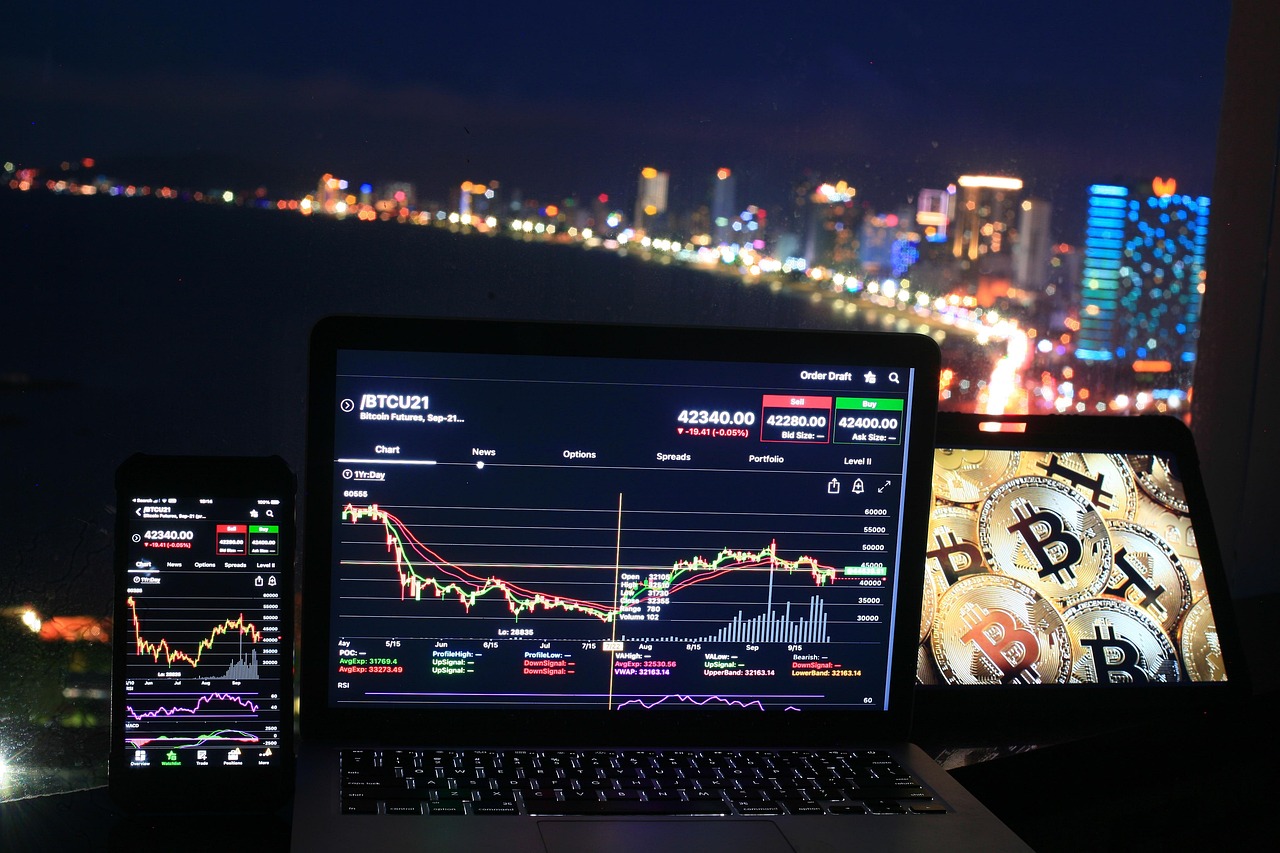
A crypto exchange, also known as a digital currency exchange (DCE), is a platform that facilitates the buying, selling, and trading of cryptocurrencies. It acts as an intermediary between buyers and sellers, allowing them to exchange digital assets for other digital assets (e.g., Bitcoin for Ethereum) or for fiat currencies (e.g., Bitcoin for USD). The primary purpose of a crypto exchange is to provide a liquid marketplace for cryptocurrencies, making it easier for individuals and institutions to participate in the digital asset ecosystem.
Types of Crypto Exchanges
There are primarily two main types of crypto exchanges:
- Centralized Exchanges (CEXs): These exchanges are operated by a central authority and function similarly to traditional stock exchanges. They often provide a wider range of features, higher liquidity, and better customer support. Examples include Binance, Coinbase, Kraken, and Gemini. CEXs typically require users to create accounts and undergo KYC (Know Your Customer) verification processes.
- Decentralized Exchanges (DEXs): DEXs operate on a decentralized network, meaning there is no central authority controlling the platform. They rely on smart contracts to facilitate trades directly between users, eliminating the need for intermediaries. Examples include Uniswap, PancakeSwap, and SushiSwap. DEXs generally offer greater privacy and control over funds but can be more complex to use and may have lower liquidity.
How Crypto Exchanges Work
Crypto exchanges operate by matching buy and sell orders placed by users. When a buy order and a sell order match in terms of price and quantity, the exchange executes the trade. Centralized exchanges maintain order books that track all pending buy and sell orders. Decentralized exchanges use Automated Market Makers (AMMs), which are smart contracts that automatically adjust prices based on supply and demand.
For instance, on a centralized exchange, you might place a “limit order” to buy Bitcoin at $65,000. When the market price of Bitcoin reaches $65,000, your order will be executed, provided there is a seller willing to sell at that price. On a decentralized exchange like Uniswap, you would swap Ethereum (ETH) for a specific amount of a new token. The price you pay depends on the current ratio of ETH to that token in the liquidity pool.
Key Features to Consider
Security Measures
Security is paramount when choosing a crypto exchange. Look for exchanges that implement robust security measures, including:
- Two-Factor Authentication (2FA): Requires a second verification method (e.g., a code from a mobile app) in addition to your password.
- Cold Storage: Storing the majority of cryptocurrency holdings offline to protect against hacking attempts.
- Encryption: Encrypting sensitive data, such as passwords and transaction details.
- Regular Security Audits: Undergoing independent security audits to identify and address vulnerabilities.
Example: Coinbase and Kraken are known for their strong security protocols, including cold storage of a significant portion of their assets and regular security audits.
Supported Cryptocurrencies
Ensure the exchange supports the cryptocurrencies you want to trade. While major exchanges typically list a wide variety of digital assets, smaller or more specialized exchanges may only support a limited selection.
- List of assets: Before committing to an exchange, browse through their listed coins and tokens.
- New listings: Some exchanges are quicker than others in adding new and promising projects. Consider if you like to access the newest listings more rapidly.
Fees and Pricing
Understanding the fee structure is crucial to maximizing your profits. Common fees include:
- Trading Fees: Charged as a percentage of the trade volume. Can vary depending on your trading volume and the exchange’s tier system.
- Deposit Fees: Charged for depositing funds into your exchange account. Some exchanges offer free deposits.
- Withdrawal Fees: Charged for withdrawing funds from your exchange account. These fees can vary depending on the cryptocurrency and the exchange.
- Maker/Taker Fees: Maker fees are paid when you add liquidity to the order book (e.g., placing a limit order that is not immediately filled). Taker fees are paid when you remove liquidity from the order book (e.g., placing a market order that is immediately filled).
Practical Tip: Compare the fee structures of different exchanges and choose one that aligns with your trading style and volume.
User Interface and Experience
The exchange’s user interface (UI) should be intuitive and easy to navigate, especially for beginners. A clean and user-friendly interface can significantly improve your trading experience and reduce the risk of errors.
- Mobile Apps: A well-designed mobile app can allow you to trade on the go.
- Charting Tools: A robust set of charting tools and technical indicators is essential for experienced traders.
- Educational Resources: Many exchanges provide educational resources, such as tutorials and guides, to help users learn about cryptocurrency trading.
Customer Support
Reliable customer support is essential in case you encounter any issues or have questions. Look for exchanges that offer multiple channels of support, such as:
- Live Chat: Provides immediate assistance from a support agent.
- Email Support: Allows you to submit detailed inquiries and receive responses within a reasonable timeframe.
- FAQ Section: A comprehensive FAQ section can answer common questions and resolve minor issues without contacting support.
Choosing the Right Exchange: A Step-by-Step Guide
Research and Comparison
Start by researching and comparing different crypto exchanges based on the key features mentioned above. Consider your individual needs and priorities when making your decision.
- Use Comparison Websites: Websites like CoinMarketCap and CoinGecko provide detailed information about various crypto exchanges, including their features, fees, and supported cryptocurrencies.
- Read User Reviews: Look for reviews from other users to get an idea of their experience with the exchange.
Account Creation and Verification
Once you have chosen an exchange, create an account and complete the necessary verification steps.
- KYC (Know Your Customer): Most centralized exchanges require KYC verification to comply with regulatory requirements. This typically involves submitting personal information, such as your name, address, and a copy of your government-issued ID.
- Two-Factor Authentication (2FA): Enable 2FA for added security.
Funding Your Account
After your account is verified, you can fund it with fiat currency or cryptocurrency.
- Deposit Methods: Common deposit methods include bank transfers, credit/debit cards, and cryptocurrency transfers.
- Transfer Times: Be aware of the transfer times for different deposit methods. Cryptocurrency transfers can take longer than fiat transfers.
Trading and Portfolio Management
Once your account is funded, you can start trading cryptocurrencies.
- Order Types: Familiarize yourself with different order types, such as market orders, limit orders, and stop-loss orders.
- Portfolio Tracking: Use the exchange’s portfolio tracking tools to monitor your investments and track your performance.
Risks and Considerations
Volatility
Cryptocurrency prices can be highly volatile, and you should be prepared for the possibility of losing money.
- Risk Management: Implement risk management strategies, such as diversifying your portfolio and setting stop-loss orders.
- Due Diligence: Conduct thorough research before investing in any cryptocurrency.
Security Risks
Crypto exchanges are vulnerable to hacking attempts and other security breaches.
- Protect Your Account: Use strong passwords and enable 2FA.
- Be Cautious of Phishing Scams: Be wary of phishing emails and websites that attempt to steal your login credentials.
Regulatory Uncertainty
The regulatory landscape for cryptocurrencies is constantly evolving, and there is a risk that exchanges could be subject to new regulations or restrictions.
- Stay Informed: Keep up to date with the latest regulatory developments in your jurisdiction.
- Choose Compliant Exchanges: Opt for exchanges that comply with applicable regulations.
Conclusion
Choosing the right crypto exchange is a critical step in your cryptocurrency journey. By considering factors such as security, fees, supported cryptocurrencies, user interface, and customer support, you can make an informed decision that aligns with your needs and goals. Remember to prioritize security, manage your risk effectively, and stay informed about the latest developments in the cryptocurrency market. With careful planning and research, you can navigate the world of crypto exchanges with confidence and participate in the exciting opportunities that this innovative Technology has to offer.
Read our previous article: Beyond Pixels: Crafting Immersive Digital Experiences
Visit Our Main Page https://thesportsocean.com/