Altcoins, or alternative cryptocurrencies, have rapidly expanded the Digital asset landscape beyond Bitcoin. While Bitcoin pioneered the blockchain revolution, altcoins offer diverse functionalities, technological advancements, and investment opportunities. Understanding altcoins is crucial for anyone looking to navigate the evolving world of cryptocurrency.
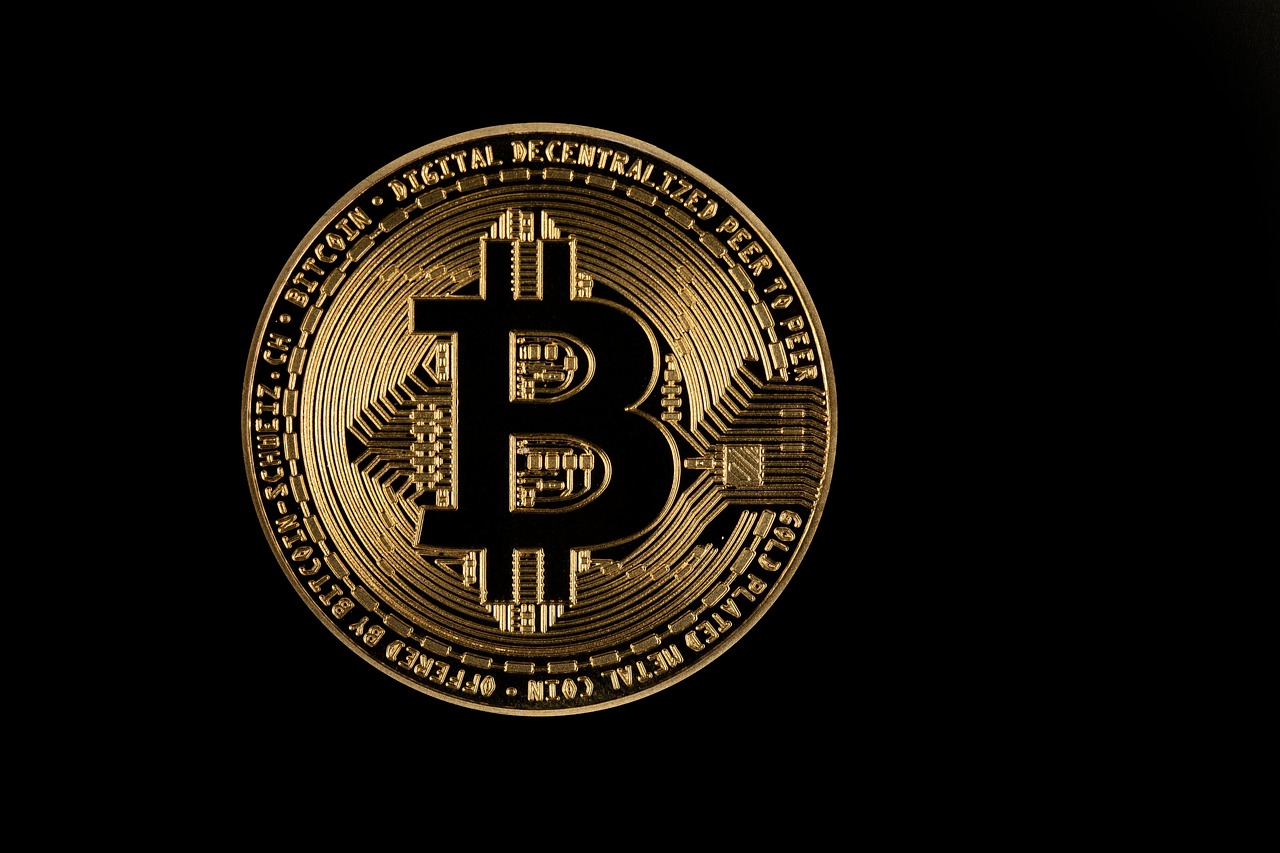
What are Altcoins?
Definition and Origin
Altcoins are cryptocurrencies that were created as alternatives to Bitcoin. The term “altcoin” simply means “alternative coin.” They emerged to address perceived shortcomings in Bitcoin, offer new features, or cater to specific use cases. The first notable altcoin, Namecoin, was launched in 2011. Since then, thousands of altcoins have been created, each with its unique characteristics.
Key Differences from Bitcoin
While altcoins share the fundamental blockchain Technology with Bitcoin, they often differ in key areas:
- Consensus Mechanisms: Bitcoin uses Proof-of-Work (PoW), which requires significant computational power. Many altcoins use alternative mechanisms like Proof-of-Stake (PoS), Proof-of-Authority (PoA), or Delegated Proof-of-Stake (DPoS), which are generally more energy-efficient and offer faster transaction times. Ethereum’s shift to PoS is a prime example.
- Transaction Speed and Scalability: Many altcoins aim to improve upon Bitcoin’s transaction speed (around 7 transactions per second) and scalability limitations. Litecoin, for instance, boasts faster block times.
- Smart Contract Functionality: While Bitcoin has limited scripting capabilities, platforms like Ethereum, Cardano, and Solana are designed to support complex smart contracts, enabling decentralized applications (dApps) and decentralized finance (DeFi).
- Governance Models: Altcoins can adopt different governance models, allowing for more community involvement in decision-making processes.
- Use Cases: Bitcoin is largely viewed as a store of value and digital gold. Altcoins often target specific use cases, such as supply chain management (VeChain), decentralized storage (Filecoin), or social media (Steem).
Market Capitalization and Dominance
Although Bitcoin remains the dominant cryptocurrency in terms of market capitalization, altcoins collectively represent a significant portion of the overall crypto market. Ethereum typically holds the second-largest market cap, followed by a fluctuating group of other altcoins like Binance Coin (BNB), Solana (SOL), and Cardano (ADA). The “altcoin season” is a term used to describe periods when altcoins outperform Bitcoin, often driven by specific technological advancements or trends. Analyzing the Bitcoin dominance index can provide insights into whether the market is favoring Bitcoin or altcoins.
Types of Altcoins
Mining-Based Altcoins
These altcoins use Proof-of-Work (PoW) or variations of it. Miners compete to solve complex cryptographic puzzles to validate transactions and add new blocks to the blockchain.
- Litecoin (LTC): One of the earliest altcoins, Litecoin uses the Scrypt hashing algorithm, which was initially intended to be more ASIC-resistant than Bitcoin’s SHA-256.
- Monero (XMR): Focuses on privacy, utilizing Ring Signatures, Confidential Transactions, and Stealth Addresses to obscure transaction details.
- Dogecoin (DOGE): Started as a meme coin but gained significant popularity and has a large, active community. Uses a Scrypt-based PoW.
Staking-Based Altcoins
These altcoins use Proof-of-Stake (PoS) or its variations. Instead of mining, validators “stake” their coins to participate in the network and earn rewards for validating transactions.
- Cardano (ADA): Aims to provide a secure and scalable platform for smart contracts and dApps, utilizing the Ouroboros PoS protocol.
- Solana (SOL): Known for its high transaction throughput and scalability, using a combination of PoS and Proof-of-History (PoH).
- Tezos (XTZ): Features on-chain governance, allowing token holders to participate in protocol upgrades and decision-making.
Stablecoins
These altcoins are pegged to a stable asset, such as the US dollar, to minimize price volatility.
- Tether (USDT): The most widely used stablecoin, pegged to the US dollar.
- USD Coin (USDC): Another popular stablecoin, also pegged to the US dollar and known for its transparency.
- Dai (DAI): A decentralized stablecoin pegged to the US dollar, backed by a basket of cryptocurrencies.
Governance Tokens
These tokens grant holders voting rights in the governance of a particular blockchain or protocol.
- Maker (MKR): Used to govern the MakerDAO and the Dai stablecoin system.
- Compound (COMP): Used to govern the Compound protocol, a decentralized lending platform.
- Yearn.finance (YFI): Used to govern the Yearn.finance ecosystem, which provides yield optimization services.
Utility Tokens
These tokens are designed to provide access to a specific product or service within a blockchain ecosystem.
- Chainlink (LINK): Provides decentralized oracle services, connecting smart contracts to real-world data.
- Basic Attention Token (BAT): Used within the Brave browser to reward users for viewing ads and support content creators.
- Filecoin (FIL): Used within the Filecoin network for decentralized storage.
Investing in Altcoins: Risks and Opportunities
Potential Upsides
- High Growth Potential: Altcoins, especially newer ones with innovative technology, can offer significant returns if successful. Early investors in Ethereum, Solana, or Cardano have seen substantial gains.
- Diversification: Investing in a basket of altcoins can help diversify a cryptocurrency portfolio and reduce overall risk.
- Innovation: Altcoins often drive innovation in the blockchain space, introducing new technologies and use cases that can disrupt traditional industries.
Associated Risks
- Volatility: Altcoins are generally more volatile than Bitcoin, meaning prices can fluctuate dramatically in short periods.
- Liquidity: Some altcoins have low trading volumes, making it difficult to buy or sell large amounts without affecting the price.
- Security: Smaller altcoins may be more vulnerable to hacking and scams due to less robust security measures.
- Regulation: The regulatory landscape for cryptocurrencies is still evolving, and changes in regulations could negatively impact altcoin prices.
- Project Failure: Many altcoin projects fail to deliver on their promises, resulting in losses for investors. Due diligence and research are crucial.
Due Diligence Tips
- Research the Team: Investigate the team behind the project, their experience, and their track record.
- Understand the Technology: Read the whitepaper and understand the project’s technology, its use case, and its potential benefits.
- Analyze the Market Cap and Trading Volume: Look at the market cap and trading volume to assess the project’s liquidity and overall interest.
- Check the Community: Assess the size and activity of the project’s community. A strong community can be a good indicator of project support.
- Consider the Competition: Evaluate the project’s competitors and its unique value proposition.
Choosing the Right Altcoins
Identifying Promising Projects
- Focus on Fundamentals: Look for projects with strong fundamentals, including a solid team, innovative technology, a clear use case, and a supportive community.
- Assess the Tokenomics: Analyze the tokenomics of the project, including the token distribution, inflation rate, and token utility.
- Evaluate the Scalability and Security: Consider the project’s scalability and security measures. Can the network handle a large number of transactions? Is the network resistant to attacks?
- Monitor News and Developments: Stay up-to-date on the latest news and developments in the crypto space, including project announcements, partnerships, and regulatory changes.
Practical Examples
- Ethereum (ETH): Remains a strong choice due to its smart contract capabilities, vast ecosystem, and ongoing developments (like the shift to Proof-of-Stake). However, high gas fees remain a challenge.
- Cardano (ADA): A scientifically researched and peer-reviewed blockchain with a strong focus on sustainability and scalability. Its Ouroboros consensus mechanism is considered energy-efficient.
- Solana (SOL): Known for its high-speed transactions and low fees, making it a popular platform for dApps and DeFi projects. Its hybrid PoS and Proof-of-History architecture sets it apart.
- Polkadot (DOT): Aims to connect different blockchains, allowing for interoperability and scalability. Its parachain auctions have attracted significant interest.
Portfolio Allocation Strategies
- Diversify Across Different Sectors: Allocate your investment across different sectors, such as DeFi, NFTs, and Layer 2 solutions, to reduce risk.
- Allocate Based on Risk Tolerance: Adjust your allocation based on your risk tolerance. If you are risk-averse, allocate a larger portion of your portfolio to established cryptocurrencies like Bitcoin and Ethereum.
- Rebalance Regularly: Rebalance your portfolio regularly to maintain your desired asset allocation. This helps ensure that you are not overly exposed to any single asset.
- Dollar-Cost Averaging (DCA): Consider using dollar-cost averaging, which involves investing a fixed amount of money at regular intervals, regardless of the price. This can help reduce the impact of volatility on your investments.
Conclusion
Navigating the world of altcoins requires a combination of research, understanding market trends, and careful risk management. While altcoins present significant opportunities for investment and technological advancement, they also come with inherent risks. By understanding the different types of altcoins, conducting thorough due diligence, and implementing sound portfolio allocation strategies, investors can make informed decisions and potentially benefit from the growth of the cryptocurrency market. Always remember that the cryptocurrency market is volatile, and past performance is not indicative of future results. Conduct thorough research and consult with a financial advisor before making any investment decisions.
Read our previous article: Quantum Computing: Cracking Climate Models, One Qubit At A Time
Visit Our Main Page https://thesportsocean.com/