Cryptocurrency and digital assets have exploded in popularity, moving from niche corners of the internet to mainstream financial discussion. Understanding what crypto assets are, how they work, and their potential applications is crucial for anyone looking to navigate the modern financial landscape. This guide provides a comprehensive overview of crypto assets, covering their fundamentals, types, benefits, risks, and how to get started.
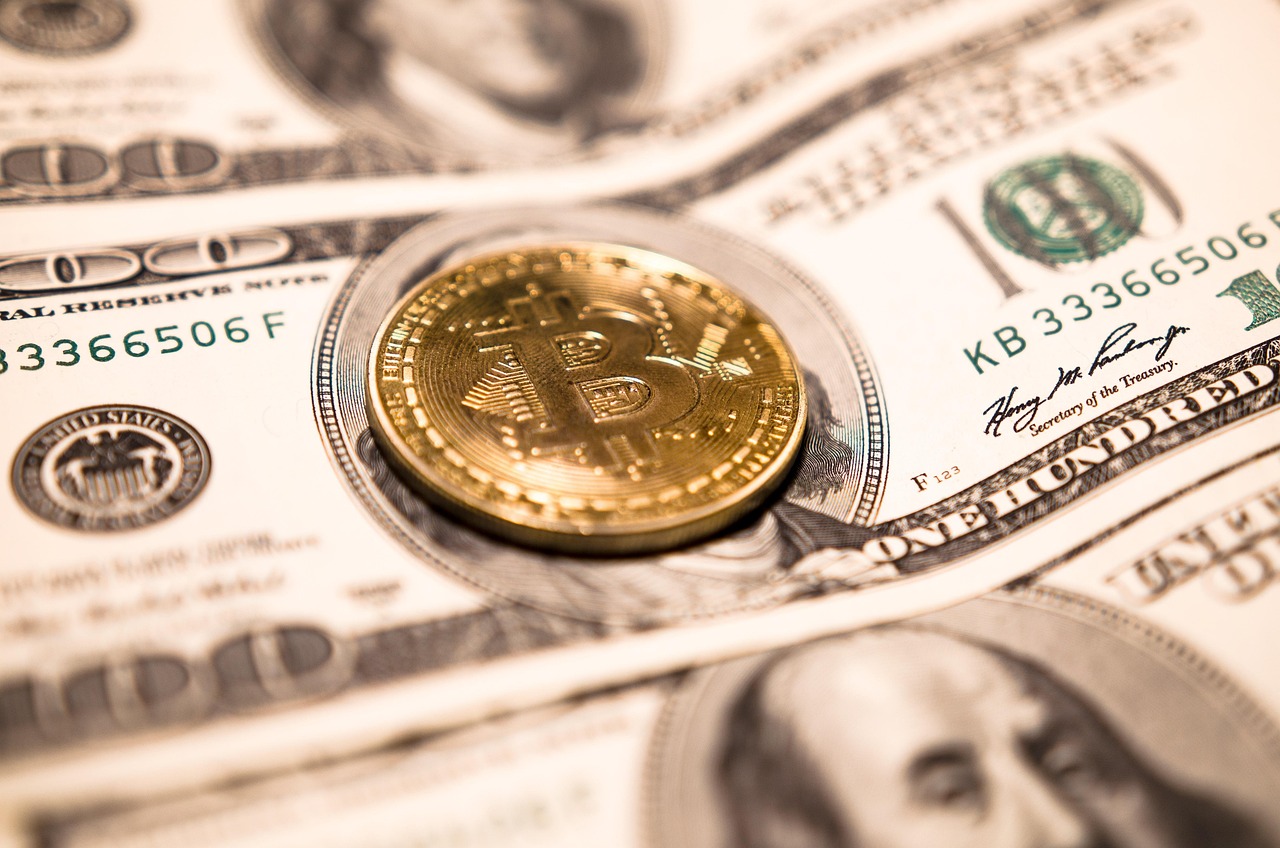
What are Crypto Assets?
Crypto assets are digital representations of value or contractual rights that rely on cryptography for security. They operate on decentralized, distributed ledgers, most commonly blockchain technology. Unlike traditional currencies issued by central banks, crypto assets are often designed to be independent of governmental control, though regulation is increasing globally.
Defining Key Terms
- Cryptography: The art of writing or solving codes. In crypto assets, cryptography secures transactions, controls the creation of new units, and verifies the transfer of assets.
- Blockchain: A public, distributed, and immutable ledger that records transactions across many computers. It’s the underlying technology for many crypto assets.
- Decentralization: Control is distributed across a network rather than held by a single authority. This makes crypto assets resistant to censorship and single points of failure.
- Digital Asset: A broader term that encompasses crypto assets, but also includes any asset that exists in a digital format, such as digital art or domain names.
Example: Bitcoin
Bitcoin (BTC) is the first and most well-known crypto asset. It was created in 2009 by an anonymous person or group known as Satoshi Nakamoto. Bitcoin’s purpose is to be a peer-to-peer electronic cash system, allowing users to send and receive payments without intermediaries like banks. Its scarcity (limited to 21 million coins) is a key feature driving its value.
Types of Crypto Assets
The crypto asset landscape is diverse, with various types of digital assets serving different purposes. Here’s an overview of some common categories:
Cryptocurrencies
- Definition: Designed primarily as a medium of exchange, a store of value, and a unit of account.
- Examples: Bitcoin, Litecoin, Monero.
- Functionality: Used for buying goods and services (where accepted), storing wealth, and facilitating international transactions.
Stablecoins
- Definition: Crypto assets designed to maintain a stable value, typically pegged to a fiat currency like the US dollar.
- Examples: Tether (USDT), USD Coin (USDC), Dai (DAI).
- Functionality: Used to reduce volatility when trading cryptocurrencies, as a store of value in inflationary environments, and for facilitating cross-border payments.
- Example: USDC is often used to move funds onto crypto exchanges from traditional bank accounts more efficiently than traditional bank transfers.
Utility Tokens
- Definition: Provide access to a specific product or service within a particular ecosystem.
- Examples: Basic Attention Token (BAT) for advertising on the Brave browser, Chainlink (LINK) for accessing off-chain data in smart contracts.
- Functionality: Grants holders specific rights or benefits within a defined network.
Security Tokens
- Definition: Represent ownership in an asset, such as equity in a company or a share of real estate. Subject to securities regulations.
- Examples: RealT tokens (representing ownership of fractional real estate), tZERO security token.
- Functionality: Provide investors with fractional ownership in traditional assets through a blockchain-based platform.
Non-Fungible Tokens (NFTs)
- Definition: Unique digital assets that represent ownership of a specific item or piece of content.
- Examples: Digital art, collectibles, in-game items, virtual land.
- Functionality: Proves ownership and authenticity of digital or physical assets. Can be traded on NFT marketplaces.
- Example: Buying an NFT of a digital artwork ensures that you are verifiably the owner, even though others can view and share the image.
Benefits and Risks of Crypto Assets
Investing in or using crypto assets comes with both potential advantages and significant risks. Understanding these factors is essential for making informed decisions.
Benefits
- Decentralization: Reduced reliance on central authorities, leading to greater control over your assets.
- Transparency: Transactions are recorded on a public ledger, providing verifiable audit trails.
- Accessibility: Enables financial inclusion for individuals without access to traditional banking services.
- Potential for High Returns: Some crypto assets have experienced significant price appreciation, offering the potential for high returns.
- Innovation: Drives innovation in finance, technology, and other industries.
- Example: In countries with unstable currencies or high inflation, crypto assets can provide a more stable store of value.
Risks
- Volatility: Crypto asset prices can fluctuate dramatically, leading to significant losses.
- Security Risks: Vulnerable to hacking, theft, and fraud.
- Regulatory Uncertainty: The legal and regulatory landscape for crypto assets is still evolving.
- Complexity: Understanding the underlying technology and mechanics can be challenging.
- Lack of Consumer Protection: Limited or no legal recourse in case of fraud or loss.
- Example: A crypto exchange can be hacked, resulting in the loss of users’ funds. Always use strong passwords and two-factor authentication.
Getting Started with Crypto Assets
If you’re considering investing in or using crypto assets, here are some practical steps to get started:
Research and Education
- Learn the Basics: Understand the fundamentals of blockchain technology, cryptocurrencies, and different types of crypto assets.
- Stay Informed: Follow reputable news sources, industry experts, and research reports to stay up-to-date on the latest developments.
Choosing a Wallet
- Hardware Wallets: Physical devices that store your private keys offline, providing the highest level of security. Examples: Ledger, Trezor.
- Software Wallets: Applications on your computer or mobile device that store your private keys. Examples: Exodus, Trust Wallet.
- Exchange Wallets: Wallets provided by cryptocurrency exchanges. Convenient for trading, but less secure than hardware or software wallets.
- Practical Tip: Always back up your wallet’s seed phrase (a set of words that can be used to recover your wallet) in a safe place.
Selecting a Cryptocurrency Exchange
- Reputation: Choose an exchange with a strong track record and positive reviews.
- Security: Ensure the exchange has robust security measures in place to protect your funds.
- Fees: Compare trading fees, withdrawal fees, and other charges.
- Supported Assets: Make sure the exchange supports the crypto assets you want to trade.
- Liquidity: Choose an exchange with sufficient trading volume to ensure you can buy and sell assets easily.
- Examples: Coinbase, Binance, Kraken.
Making Your First Purchase
- Start Small: Begin with a small investment to get a feel for the market.
- Diversify: Don’t put all your eggs in one basket. Spread your investments across different crypto assets.
- Use Limit Orders: Set a specific price at which you want to buy or sell an asset.
- Consider Dollar-Cost Averaging (DCA): Invest a fixed amount of money at regular intervals, regardless of the price.
- Practical Tip: Avoid FOMO (Fear Of Missing Out). Don’t make impulsive decisions based on market hype.
Security Best Practices
Protecting your crypto assets is paramount. Implement these security measures to minimize your risk:
Securing Your Wallets
- Use Strong Passwords: Create unique, complex passwords for all your accounts.
- Enable Two-Factor Authentication (2FA): Add an extra layer of security by requiring a code from your phone or authenticator app in addition to your password.
- Store Private Keys Securely: Keep your private keys offline, preferably on a hardware wallet.
- Be Wary of Phishing Scams: Never click on suspicious links or enter your private keys on untrusted websites.
- Example: Regularly update the firmware on your hardware wallet to patch security vulnerabilities.
Protecting Your Accounts
- Use a Separate Email Address: Create a dedicated email address for your crypto-related accounts.
- Monitor Your Accounts Regularly: Check your transaction history for any suspicious activity.
- Be Careful on Public Wi-Fi: Avoid accessing your crypto accounts on unsecured public Wi-Fi networks.
- Report Suspicious Activity: Immediately report any suspicious activity to the exchange or wallet provider.
- Example: Use a password manager to generate and store strong, unique passwords for all your crypto accounts.
Conclusion
Crypto assets represent a rapidly evolving and potentially transformative technology with the capacity to reshape various aspects of finance and beyond. While the potential rewards are significant, so are the risks. By understanding the fundamentals, diversifying your investments, prioritizing security, and staying informed, you can navigate the crypto asset landscape more confidently and responsibly. Remember that due diligence and continuous learning are key to success in this dynamic and innovative field.
Read our previous article: Beyond To-Do Lists: The New Productivity Arsenal
Visit Our Main Page https://thesportsocean.com/