The world of finance is rapidly evolving, and at the forefront of this change are crypto assets. From Bitcoin to Ethereum and beyond, these digital assets are capturing the attention of investors, tech enthusiasts, and policymakers alike. Understanding what crypto assets are, how they work, and the potential they hold is crucial in today’s financial landscape. This blog post will provide a comprehensive overview of crypto assets, exploring their diverse applications, the underlying technology, and the risks and opportunities they present.
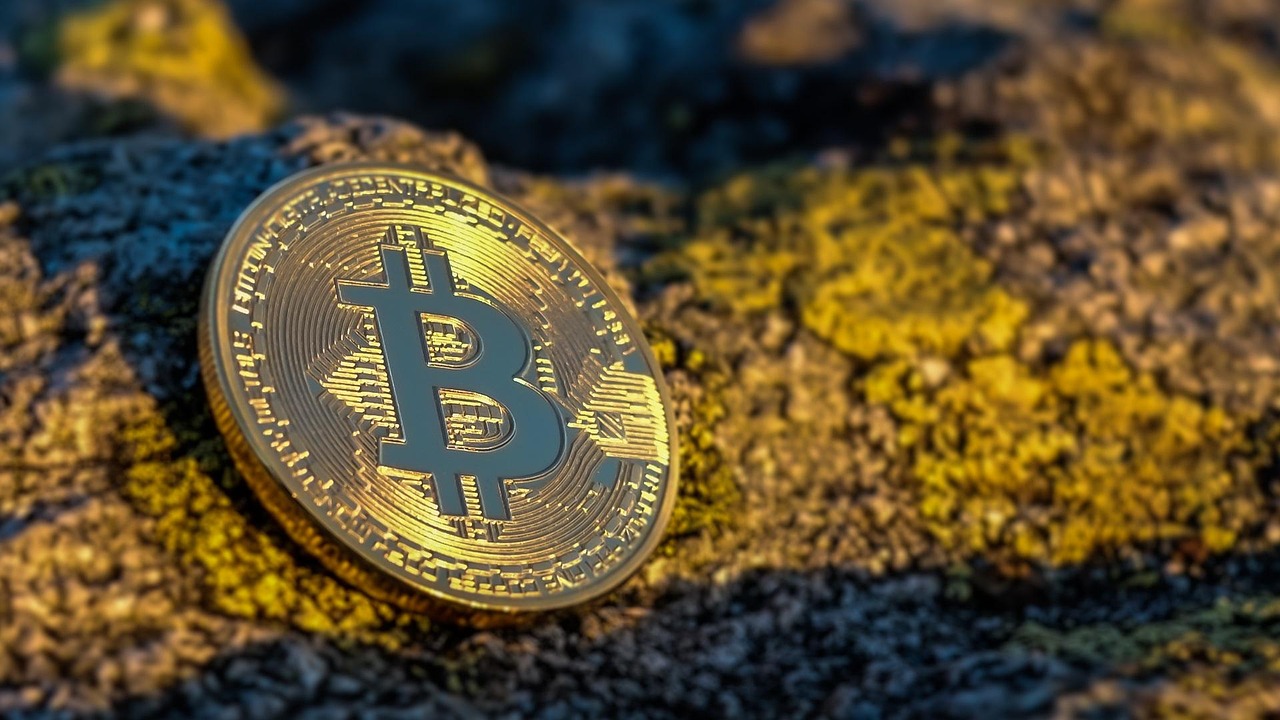
Understanding Crypto Assets
Crypto assets are digital representations of value or contractual rights that rely on cryptography for security and function on a distributed ledger, such as a blockchain. They differ significantly from traditional assets like stocks or bonds, as they are typically decentralized and operate independently of central banks and governments.
What are Crypto Assets?
- Crypto assets are digital or virtual assets.
- They use cryptography to secure transactions and control the creation of new units.
- They operate on decentralized technologies, typically blockchains.
- Examples include Bitcoin, Ethereum, Litecoin, and stablecoins like USDT.
- They can represent a variety of things, from currencies to ownership rights.
- Example: Bitcoin, the first and most well-known cryptocurrency, aims to be a decentralized digital currency. Its value is driven by supply and demand, and its transactions are recorded on a public blockchain.
Types of Crypto Assets
The crypto asset landscape is diverse, encompassing various types with distinct functions:
- Cryptocurrencies: Designed as digital currencies for transactions (e.g., Bitcoin, Litecoin).
- Stablecoins: Pegged to a stable asset like the US dollar to minimize price volatility (e.g., USDT, USDC).
- Utility Tokens: Provide access to a specific product or service on a blockchain platform (e.g., Chainlink, Basic Attention Token).
- Security Tokens: Represent ownership in a company or asset and are subject to securities regulations (e.g., tokens representing real estate).
- Non-Fungible Tokens (NFTs): Unique digital assets representing ownership of items such as art, collectibles, or virtual real estate.
- Example: Binance Coin (BNB) is a utility token originally created for use within the Binance exchange ecosystem, offering discounts on trading fees and access to other platform features.
The Technology Behind Crypto: Blockchain
At the core of most crypto assets is blockchain technology. This decentralized, distributed, and immutable ledger is what makes crypto assets secure and transparent.
How Blockchain Works
- Data is grouped into blocks and chained together chronologically.
- Each block contains a cryptographic hash of the previous block, linking them securely.
- Transactions are verified by a network of nodes through a consensus mechanism (e.g., Proof-of-Work, Proof-of-Stake).
- Once a block is added to the chain, it cannot be altered, ensuring data integrity.
- Example: Consider a simple transaction: Alice sends 1 Bitcoin to Bob. This transaction is broadcast to the network, verified by miners (in the case of Bitcoin), and then added to a new block. The block is then added to the blockchain, making the transaction permanently recorded and visible to everyone.
Benefits of Blockchain for Crypto Assets
- Decentralization: Reduces reliance on central authorities, increasing security and censorship resistance.
- Transparency: All transactions are recorded on a public ledger, enhancing accountability.
- Security: Cryptographic hashing and consensus mechanisms make it extremely difficult to tamper with the blockchain.
- Efficiency: Streamlines transactions by eliminating intermediaries, potentially reducing costs and processing times.
- Example: The Ethereum blockchain is not just a ledger for Ether transactions, but also a platform for decentralized applications (dApps) and smart contracts. These smart contracts can automate complex agreements and create new types of applications, such as decentralized finance (DeFi) platforms.
Investing in Crypto Assets: Opportunities and Risks
Investing in crypto assets can be both rewarding and risky. Understanding these aspects is crucial before diving in.
Potential Benefits of Investing
- High Growth Potential: Some crypto assets have demonstrated significant price appreciation.
- Portfolio Diversification: Crypto assets can offer diversification benefits due to their low correlation with traditional assets.
- Decentralized Finance (DeFi): Opportunities to earn passive income through staking, lending, and other DeFi activities.
- Innovation: Exposure to innovative technologies and emerging markets.
- Example: Bitcoin has historically offered high returns, but also experienced significant volatility. An investor might allocate a small portion of their portfolio to Bitcoin as a high-risk, high-reward investment.
Risks and Challenges
- Volatility: Crypto asset prices can be highly volatile, leading to potential losses.
- Regulatory Uncertainty: The regulatory landscape for crypto assets is still evolving, creating uncertainty.
- Security Risks: Crypto exchanges and wallets are vulnerable to hacking and theft.
- Complexity: Understanding the technology and market dynamics can be challenging.
- Scams and Fraud: The crypto space is rife with scams and fraudulent projects.
- Example: An investor might lose their entire investment if they invest in a fraudulent ICO (Initial Coin Offering) or fall victim to a phishing scam targeting their crypto wallet. It is important to thoroughly research projects before investing.
Tips for Investing Responsibly
- Do Your Research (DYOR): Understand the technology, market, and risks involved before investing.
- Start Small: Begin with a small investment to gain experience and knowledge.
- Diversify Your Portfolio: Don’t put all your eggs in one basket.
- Use Secure Wallets: Store your crypto assets in secure hardware wallets or reputable software wallets.
- Be Wary of Scams: Be skeptical of promises of guaranteed returns or unsolicited investment advice.
The Future of Crypto Assets
Crypto assets are poised to play a significant role in the future of finance and technology.
Potential Applications
- Decentralized Finance (DeFi): Revolutionizing traditional financial services with decentralized lending, borrowing, and trading platforms.
- Supply Chain Management: Improving transparency and efficiency in supply chains.
- Digital Identity: Creating secure and self-sovereign digital identities.
- Gaming and Metaverse: Powering virtual economies and creating new gaming experiences.
- Cross-Border Payments: Facilitating faster and cheaper international money transfers.
- Example: DeFi platforms like Aave and Compound allow users to lend and borrow crypto assets without intermediaries, earning interest on their holdings or accessing loans collateralized by their crypto.
Challenges and Opportunities
- Scalability: Improving the scalability of blockchain networks to handle higher transaction volumes.
- Interoperability: Enabling different blockchain networks to communicate and exchange data seamlessly.
- Regulation: Developing clear and consistent regulatory frameworks to foster innovation while protecting consumers.
- Adoption: Increasing mainstream adoption by improving user experience and addressing security concerns.
- Example: The development of Layer-2 scaling solutions like Lightning Network for Bitcoin and Polygon for Ethereum aims to address the scalability challenges of these networks, enabling faster and cheaper transactions.
Conclusion
Crypto assets represent a significant innovation in finance and technology. While they offer exciting opportunities for investment and innovation, it is crucial to approach them with caution and a thorough understanding of the risks involved. By staying informed, investing responsibly, and embracing the potential of blockchain technology, individuals and businesses can navigate the evolving landscape of crypto assets and unlock their transformative power.
Read our previous article: Quantums Edge: Drug Discovery And Beyond
Visit Our Main Page https://thesportsocean.com/