Tokenomics is the heartbeat of any successful cryptocurrency or Blockchain project. It’s more than just a catchy word; it’s the science of how a token works within its ecosystem, dictating its value, distribution, and overall utility. Understanding tokenomics is crucial for anyone looking to invest in or build a project in the decentralized world, as it can be the difference between a thriving ecosystem and a complete failure.
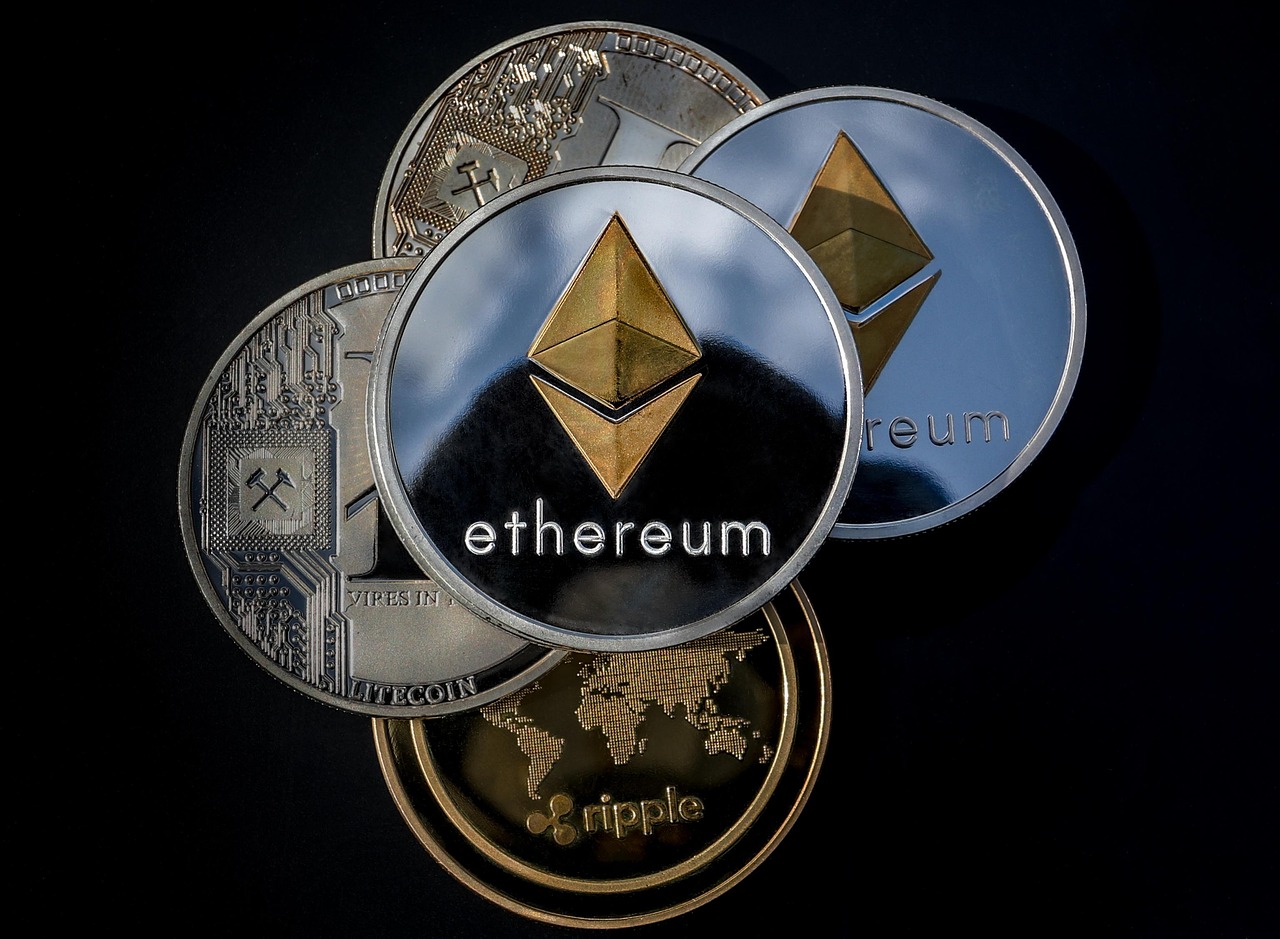
Understanding Tokenomics: The Foundation of Crypto Success
Tokenomics, short for “token economics,” is the study of how cryptographic tokens behave within a specific economy. It encompasses all aspects of a token’s lifecycle, including its creation, distribution, usage, and destruction (burning). A well-designed tokenomics model can incentivize participation, foster community growth, and ultimately drive the long-term sustainability of a project.
What Makes Up a Robust Tokenomics Model?
Several key components contribute to a solid tokenomics structure:
- Token Supply: This refers to the total number of tokens that exist or will ever exist. Understanding the total supply, circulating supply, and potential inflation is critical. For example, Bitcoin has a fixed supply of 21 million coins, creating scarcity. Ethereum, on the other hand, has no hard cap on its supply, but its burn mechanism through EIP-1559 helps manage inflation.
- Distribution Mechanism: How are tokens initially distributed? Common methods include:
Initial Coin Offering (ICO): Public sale of tokens.
Airdrops: Free distribution to users.
Staking Rewards: Rewarding users for locking up their tokens.
Mining Rewards: Rewarding users for validating transactions (Proof-of-Work).
Team Allocation: Reserved for the project’s founders and developers.
- Utility: What purpose does the token serve within the ecosystem? Does it grant access to specific features, act as a governance mechanism, or facilitate transactions? A token with clear utility is more likely to maintain its value. Binance Coin (BNB), for example, offers discounted trading fees on the Binance exchange, providing significant utility.
- Burning Mechanisms: Burning refers to permanently removing tokens from circulation. This can decrease supply and potentially increase the value of the remaining tokens. Binance regularly burns BNB based on their trading volume. Ethereum’s EIP-1559 burns transaction fees.
- Staking and Rewards: Staking allows token holders to lock their tokens to support the network and earn rewards. This incentivizes long-term holding and reduces circulating supply. Cardano (ADA) and Solana (SOL) are prime examples of projects with robust staking programs.
Why is Tokenomics Important?
Effective tokenomics can:
- Attract Investors: A well-designed tokenomics model demonstrates the project’s long-term vision and potential for growth, making it more attractive to investors.
- Incentivize Participation: Tokenomics can reward users for contributing to the ecosystem, such as providing liquidity, validating transactions, or developing applications.
- Prevent Inflation: Carefully managing token supply and implementing deflationary mechanisms (burning) can help prevent excessive inflation and preserve the token’s value.
- Ensure Decentralization: Distributing tokens fairly and transparently can help decentralize the network and prevent a small group of individuals from controlling the majority of the tokens.
Key Tokenomic Models in Practice
Different projects employ various tokenomic models tailored to their specific needs and goals. Let’s examine a few common examples.
Deflationary Models
Deflationary tokenomics aims to reduce the total supply of tokens over time, potentially increasing the value of the remaining tokens.
- Burning Mechanisms: As discussed previously, burning tokens is a primary deflationary strategy. For instance, Shiba Inu (SHIB) utilizes a burn mechanism to reduce its massive initial supply.
- Transaction Fees: Some projects use a portion of transaction fees to buy back and burn tokens.
- Example: Imagine a token with a total supply of 1 million. A burn mechanism removes 1% of all tokens from circulation each month. Over time, the remaining tokens become scarcer, potentially increasing their individual value.
Inflationary Models
Inflationary models continuously increase the token supply over time.
- Staking Rewards: Often used to incentivize staking and secure the network. New tokens are issued as rewards.
- Mining Rewards: In Proof-of-Work systems, miners are rewarded with new tokens for validating transactions.
- Example: Consider a blockchain that rewards stakers with 5% annual inflation. If you stake 100 tokens, you’ll receive 5 additional tokens as a reward each year, contributing to the overall increase in the token supply.
Dual-Token Systems
These systems utilize two different tokens, each with distinct roles.
- Governance Token: Used for voting on protocol upgrades and other important decisions. Often staked to participate.
- Utility Token: Used for transactions, accessing services, or other practical functions within the ecosystem.
- Example: MakerDAO uses MKR as a governance token and DAI as a stablecoin pegged to the US dollar. MKR holders vote on changes to the DAI stablecoin system.
Analyzing Tokenomics: Red Flags and Green Lights
Before investing in a crypto project, it’s crucial to thoroughly analyze its tokenomics. Here’s what to look for:
Red Flags
- Excessive Token Supply: A very large token supply can make it difficult for the token to gain significant value.
- Unclear Utility: If the token doesn’t have a clear purpose or use case, it’s unlikely to maintain its value.
- Uneven Distribution: A highly concentrated token distribution raises concerns about potential manipulation.
- Lack of Transparency: If the project doesn’t clearly explain its tokenomics model, it’s a major red flag.
- Unsustainable Rewards: Extremely high staking or mining rewards can lead to hyperinflation and a collapse in value.
Green Lights
- Well-Defined Utility: The token has a clear and valuable purpose within the ecosystem.
- Transparent Distribution: The initial distribution of tokens is fair and transparent.
- Sustainable Inflation/Deflation: The tokenomics model is designed to maintain a healthy balance between inflation and deflation.
- Active Community Participation: A strong and engaged community can help ensure the long-term success of the project.
- Strong Development Team: A capable and experienced development team is essential for executing the project’s vision.
Tokenomics and the Long-Term Sustainability of a Project
Tokenomics isn’t just about short-term gains; it’s about creating a sustainable and thriving ecosystem. A well-designed tokenomics model can incentivize long-term participation, attract and retain users, and ultimately ensure the project’s success.
Incentivizing Long-Term Holding
- Staking Rewards: Rewarding users for staking their tokens encourages them to hold onto them for longer periods.
- Governance Rights: Granting token holders the ability to vote on important decisions gives them a vested interest in the project’s success.
- Lockup Periods: Imposing lockup periods on tokens distributed during the ICO or to the team can prevent early sell-offs and stabilize the price.
Fostering Community Growth
- Airdrops and Rewards: Distributing tokens to active community members can incentivize participation and growth.
- Governance and Voting: Giving the community a voice in the project’s direction can foster a sense of ownership and commitment.
Ensuring Economic Viability
- Fee Mechanisms: Implementing transaction fees or platform fees can generate revenue to support the project’s development and maintenance.
- Token Burning: Reducing the token supply can increase the value of the remaining tokens and incentivize long-term holding.
Conclusion
Understanding tokenomics is essential for anyone navigating the complex world of cryptocurrency. By carefully analyzing a project’s tokenomics model, you can assess its long-term viability and make informed investment decisions. Remember to look for clear utility, transparent distribution, and sustainable economic incentives. A well-designed tokenomics model can be a strong indicator of a project’s potential for success, while a poorly designed one can be a warning sign of future problems. Do your research, stay informed, and invest wisely.
Read our previous article: Smart Home, Dumb Security: Privacy In Peril?
Visit Our Main Page https://thesportsocean.com/