The Cloud has revolutionized the way businesses operate, offering scalability, cost-effectiveness, and accessibility. However, this shift also introduces new security challenges. Protecting your data in the cloud requires a comprehensive understanding of cloud security principles and best practices. This blog post will delve into the key aspects of cloud security, providing you with the knowledge and tools to safeguard your valuable assets.
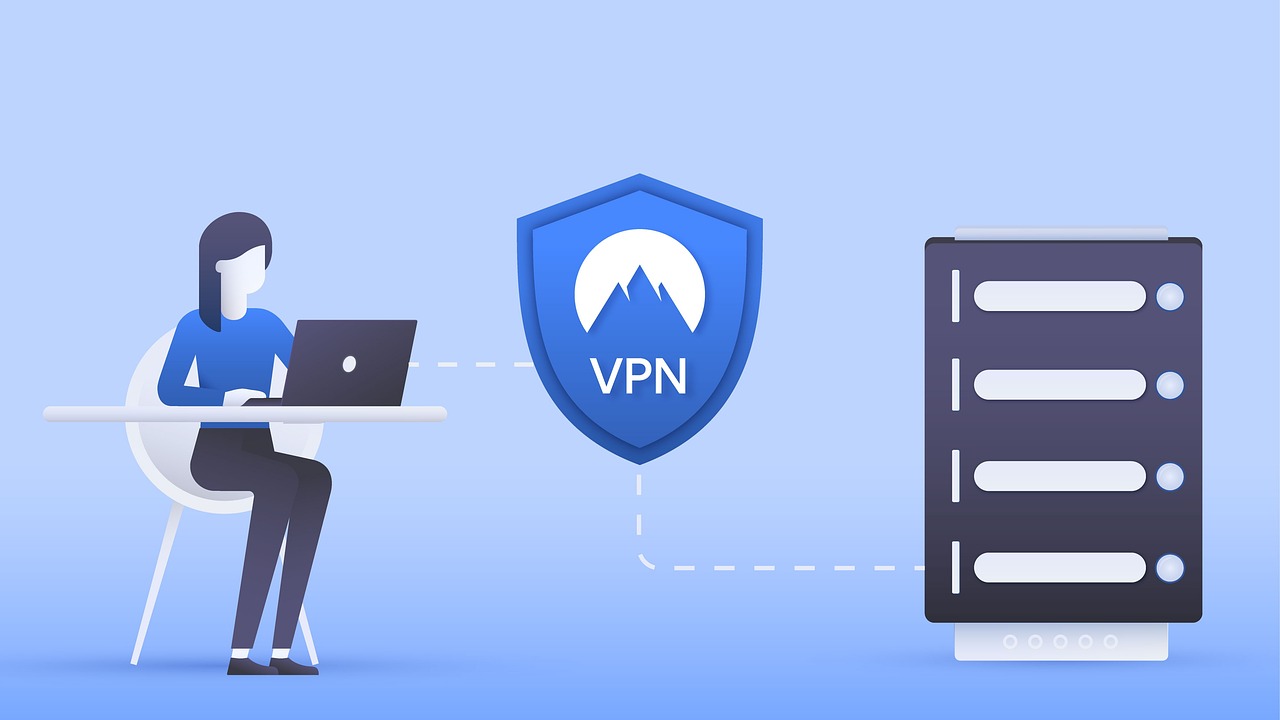
Understanding Cloud Security
What is Cloud Security?
Cloud security encompasses the technologies, policies, controls, and services used to protect cloud-based data, applications, and infrastructure. It’s a shared responsibility model, meaning both the cloud provider and the customer have specific security duties. Think of it like renting an apartment: the landlord provides the building’s basic security, but you’re responsible for the security within your apartment.
Why is Cloud Security Important?
Cloud security is crucial for several reasons:
- Data Protection: Protecting sensitive data from unauthorized access, breaches, and leaks is paramount.
- Compliance: Many industries have strict regulations (e.g., HIPAA, GDPR, PCI DSS) that require robust data security measures. Failure to comply can result in hefty fines and reputational damage.
- Business Continuity: Ensuring that your cloud-based applications and data remain accessible during and after disruptions (e.g., natural disasters, cyberattacks).
- Maintaining Trust: Customers and stakeholders need to trust that their data is secure in the cloud. A security breach can erode this trust and impact your bottom line.
- Preventing Financial Loss: Cyberattacks can lead to significant financial losses, including direct costs of remediation, legal fees, and lost revenue.
Key Cloud Security Challenges
Data Breaches
Data breaches are a significant concern in the cloud. These can be caused by:
- Misconfigured Cloud Storage: Leaving cloud storage buckets open to the public due to incorrect configuration is a common mistake. For example, an unsecured AWS S3 bucket containing sensitive customer data can easily be discovered and exploited.
- Weak Passwords and Credential Theft: Using weak passwords or falling victim to phishing attacks can compromise user accounts. Multi-factor authentication (MFA) is a crucial defense against this.
- Insider Threats: Malicious or negligent employees can intentionally or unintentionally expose sensitive data. Implementing strong access controls and monitoring user activity is essential.
Compliance Issues
Meeting regulatory requirements can be complex in the cloud. Organizations must understand their obligations and implement appropriate security controls to ensure compliance.
- GDPR (General Data Protection Regulation): Applies to organizations that process the personal data of EU citizens, regardless of where the organization is located.
- HIPAA (Health Insurance Portability and Accountability Act): Protects the privacy and security of protected health information (PHI).
- PCI DSS (Payment Card Industry Data Security Standard): Applies to organizations that handle credit card data.
Shared Responsibility Model
Understanding the shared responsibility model is crucial. The cloud provider is responsible for the security of the cloud (e.g., physical security of data centers, network infrastructure), while the customer is responsible for the security in the cloud (e.g., data encryption, access control, application security). For example, AWS secures their physical infrastructure and the virtualization layer. You, the customer, are responsible for securing your operating systems, applications, data, and access controls within your AWS environment.
Cloud Security Best Practices
Identity and Access Management (IAM)
IAM is the foundation of cloud security. Proper IAM policies ensure that only authorized users have access to specific resources.
- Principle of Least Privilege: Grant users only the minimum level of access required to perform their job functions.
- Multi-Factor Authentication (MFA): Enforce MFA for all users, especially those with privileged access. This adds an extra layer of security beyond just a username and password.
- Role-Based Access Control (RBAC): Assign roles to users based on their job responsibilities, and grant permissions based on those roles.
- Regular Audits: Review and update IAM policies regularly to ensure they are still appropriate and effective. Deactivate or remove accounts that are no longer needed.
Data Encryption
Encrypting data both at rest and in transit is essential for protecting it from unauthorized access.
- Encryption at Rest: Encrypt data stored in cloud storage services and databases. Use key management systems (KMS) to securely manage encryption keys.
- Encryption in Transit: Use TLS/SSL encryption for all network traffic.
- Key Management: Implement a robust key management system to protect encryption keys from unauthorized access.
Security Monitoring and Logging
Monitoring cloud environments for security threats is crucial for detecting and responding to incidents.
- Centralized Logging: Collect and analyze logs from all cloud resources in a central location.
- Security Information and Event Management (SIEM): Use a SIEM system to correlate logs and identify potential security incidents.
- Intrusion Detection Systems (IDS): Deploy IDS to detect malicious activity in your cloud environment.
- Regular Security Audits: Conduct regular security audits to identify vulnerabilities and ensure compliance.
Network Security
Securing your cloud network is critical to preventing unauthorized access and protecting your resources.
- Virtual Private Cloud (VPC): Use VPCs to isolate your cloud resources and control network traffic. Think of it as creating your own private network within the public cloud.
- Security Groups: Use security groups to control inbound and outbound traffic to your cloud resources. Only allow necessary traffic and block all other traffic.
- Web Application Firewall (WAF): Deploy a WAF to protect your web applications from common attacks, such as SQL injection and cross-site scripting (XSS).
- Network Segmentation: Divide your network into segments to limit the impact of a security breach.
Choosing a Cloud Provider with Strong Security
Evaluate Security Features
When choosing a cloud provider, carefully evaluate their security features and certifications.
- Compliance Certifications: Look for certifications such as ISO 27001, SOC 2, and FedRAMP.
- Data Residency Options: Ensure the provider offers data residency options to meet regulatory requirements. This means the ability to store your data in a specific geographic location.
- Security Tools and Services: Evaluate the provider’s security tools and services, such as IAM, encryption, and threat detection.
- Incident Response Capabilities: Understand the provider’s incident response capabilities and how they will assist you in the event of a security breach.
Review Service Level Agreements (SLAs)
Review the provider’s SLAs to understand their uptime guarantees and security responsibilities.
- Uptime Guarantee: Ensure the provider offers a reasonable uptime guarantee.
- Security Responsibilities: Clearly define the provider’s security responsibilities in the SLA.
- Incident Response Procedures: Understand the provider’s incident response procedures and how they will notify you of security breaches.
Conclusion
Cloud security is an ongoing process that requires continuous vigilance and adaptation. By understanding the challenges, implementing best practices, and choosing a secure cloud provider, you can protect your data and applications in the cloud. Remember to stay informed about the latest threats and security trends, and regularly review and update your security posture. The cloud offers tremendous opportunities, and with a strong security foundation, you can harness its power with confidence.
Read our previous article: AI Frameworks: Architecting Intelligence, Beyond The Black Box
Visit Our Main Page https://thesportsocean.com/