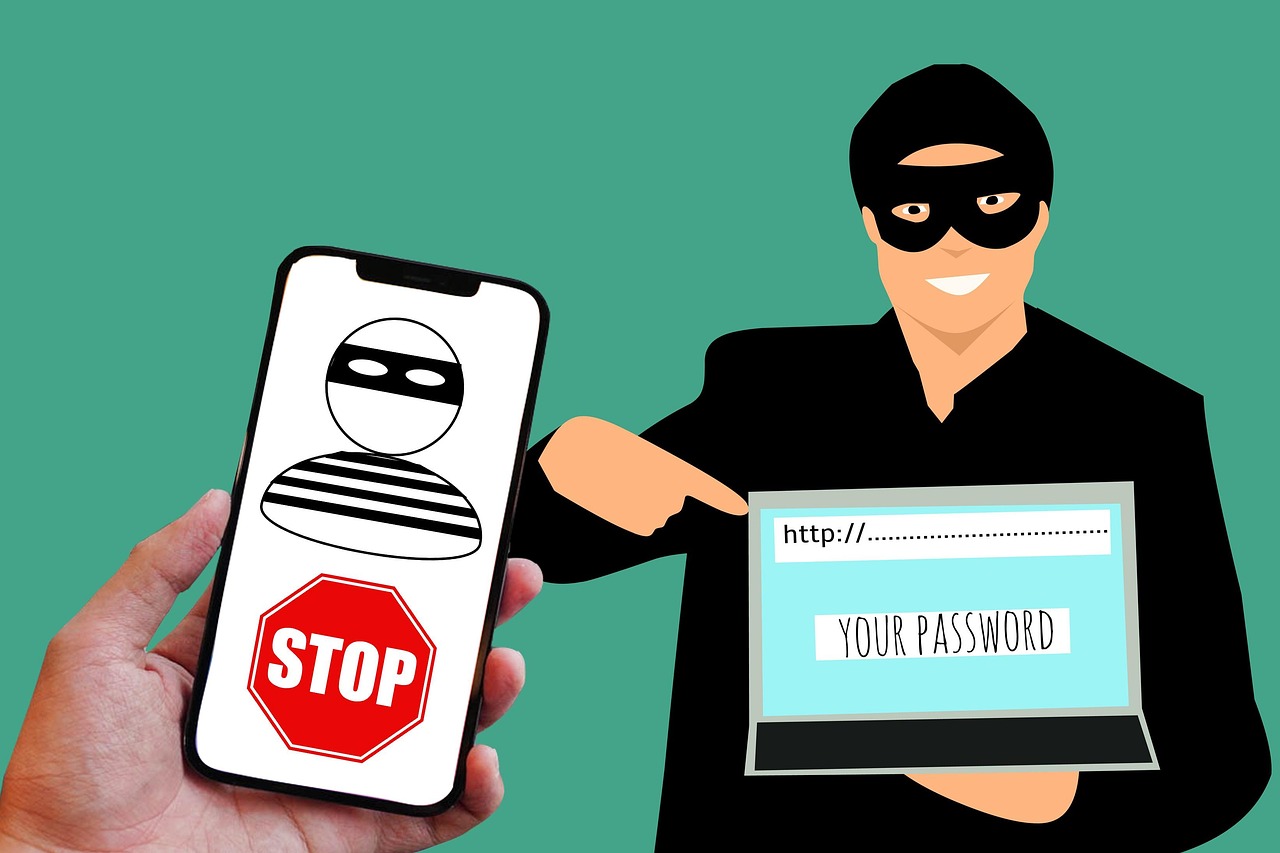
In today’s Digital age, safeguarding sensitive information is paramount. Data breaches and cyberattacks are becoming increasingly common, underscoring the need for robust security measures. Encryption, a cornerstone of data security, offers a powerful solution to protect your valuable assets. This blog post delves into the world of encryption, exploring its principles, applications, and significance in maintaining privacy and security.
What is Encryption?
The Basic Concept
Encryption is the process of converting readable data (plaintext) into an unreadable format (ciphertext). This transformation is achieved using an algorithm called a cipher and a secret key. Only individuals possessing the correct key can decrypt the ciphertext back into its original plaintext form. Think of it like a locked box: the data is the valuable item inside, the box is the encryption algorithm, the key is the decryption key, and without the key, you can’t access the contents.
- Plaintext: Readable data
- Ciphertext: Encrypted, unreadable data
- Cipher: The algorithm used for encryption and decryption
- Key: A secret piece of information used by the cipher
Types of Encryption
Encryption methods can be broadly categorized into two main types: symmetric-key encryption and asymmetric-key encryption (also known as public-key encryption).
- Symmetric-key encryption: This method uses the same key for both encryption and decryption. It’s fast and efficient but requires a secure way to share the key between the sender and receiver. Examples include Advanced Encryption Standard (AES) and Data Encryption Standard (DES).
- Asymmetric-key encryption: This method uses a pair of keys: a public key for encryption and a private key for decryption. The public key can be shared freely, while the private key must be kept secret. It simplifies key management but is generally slower than symmetric-key encryption. Examples include RSA and ECC.
* Practical Example: When you access a website with HTTPS, your browser uses the website’s public key to encrypt data sent to the server. Only the server, possessing the corresponding private key, can decrypt this data.
How Encryption Algorithms Work (Simplified)
While the mathematics behind encryption can be complex, the core idea is to mathematically transform the data in a way that is extremely difficult to reverse without the key. Algorithms like AES use a series of substitutions, permutations, and mathematical operations to scramble the plaintext. The longer and more complex the key and algorithm, the stronger the encryption.
Why is Encryption Important?
Protecting Sensitive Data
Encryption is crucial for protecting sensitive data from unauthorized access. This includes:
- Personal information: Social Security numbers, credit card details, addresses, and medical records.
- Financial data: Bank account information, transaction records, and investment details.
- Business secrets: Trade secrets, intellectual property, customer data, and strategic plans.
- Government information: Classified documents, national security data, and diplomatic communications.
Without encryption, this data would be vulnerable to interception and misuse. A data breach can lead to identity theft, financial loss, reputational damage, and legal repercussions.
Ensuring Data Integrity
Encryption can also help ensure data integrity. When data is encrypted, any unauthorized modification will render it unreadable or unusable. This allows you to detect tampering and prevent malicious actors from altering your data. Some encryption schemes also incorporate integrity checks, like checksums, to explicitly verify that the data hasn’t been altered.
Maintaining Privacy
Encryption is a fundamental tool for protecting privacy in the digital age. It allows you to communicate and store data securely, without fear of surveillance or interception. Whether you’re sending emails, browsing the web, or storing files on your computer, encryption can help you maintain control over your personal information.
- Example: Using a VPN (Virtual Private Network) encrypts your internet traffic, making it more difficult for ISPs (Internet Service Providers) or other third parties to track your online activity.
Complying with Regulations
Many laws and regulations require organizations to protect sensitive data using encryption. These include:
- HIPAA (Health Insurance Portability and Accountability Act): Protects patient health information.
- GDPR (General Data Protection Regulation): Protects the personal data of EU citizens.
- CCPA (California Consumer Privacy Act): Protects the personal data of California residents.
- PCI DSS (Payment Card Industry Data Security Standard): Protects credit card data.
Failure to comply with these regulations can result in significant fines and penalties.
Where is Encryption Used?
Everyday Applications
Encryption is used in a wide range of everyday applications, often without users even realizing it.
- Website security (HTTPS): Encrypts communication between your browser and websites. Look for the padlock icon in your browser’s address bar.
- Email encryption: Secures email messages and attachments. Services like ProtonMail and Virtru provide end-to-end email encryption.
- Messaging apps: Protects messages sent through apps like Signal, WhatsApp, and Telegram. Note that “end-to-end encryption” is crucial; simply using a password on the app is not enough.
- Virtual Private Networks (VPNs): Encrypts your internet traffic.
- Wireless networks (WPA2/WPA3): Secures your Wi-Fi connection.
- Hard drive encryption: Protects data stored on your computer’s hard drive. Windows BitLocker and macOS FileVault are examples.
- File encryption: Encrypts individual files or folders. 7-Zip, VeraCrypt are commonly used tools.
Business and Enterprise Use
Businesses and enterprises rely heavily on encryption to protect their data and systems.
- Database encryption: Protects sensitive data stored in databases.
- Cloud storage encryption: Encrypts data stored in the cloud. Most cloud providers offer encryption options, but you may want to consider “bring your own key” (BYOK) encryption for greater control.
- Endpoint encryption: Protects data on laptops, smartphones, and other devices used by employees.
- Network security: Encrypts network traffic to prevent eavesdropping.
- Secure file transfer: Ensures the secure transmission of sensitive files.
Emerging Technologies
Encryption is also playing a key role in emerging technologies.
- Blockchain: Uses encryption to secure transactions and data.
- Cryptocurrencies: Rely on cryptography for security and anonymity.
- Secure multiparty computation (SMPC): Allows multiple parties to perform computations on their private data without revealing it to each other.
- Homomorphic encryption: Allows computations to be performed on encrypted data without decrypting it first. This is still a developing field, but it has the potential to revolutionize data privacy.
Choosing the Right Encryption Method
Key Considerations
Selecting the right encryption method depends on several factors:
- Security requirements: How sensitive is the data you need to protect? More sensitive data requires stronger encryption algorithms and longer keys.
- Performance requirements: How quickly do you need to encrypt and decrypt data? Symmetric-key encryption is generally faster than asymmetric-key encryption.
- Compatibility: Is the encryption method compatible with the systems and applications you are using?
- Ease of use: How easy is it to implement and manage the encryption method?
- Regulatory compliance: Does the encryption method meet the requirements of any applicable laws or regulations?
Best Practices
Here are some best practices for using encryption effectively:
- Use strong encryption algorithms: Choose algorithms that are considered secure by experts. AES-256 is a widely recommended symmetric-key encryption algorithm. RSA with a key length of at least 2048 bits is a common choice for asymmetric-key encryption.
- Use long keys: Longer keys provide stronger encryption.
- Manage keys securely: Protect your encryption keys from unauthorized access. Use a strong password or passphrase to protect your keys. Consider using a hardware security module (HSM) to store your keys securely.
- Regularly update your encryption Software: Keep your encryption software up to date with the latest security patches.
- Implement encryption in all layers of your system: Don’t just encrypt your data at rest; encrypt it in transit as well.
- Test your encryption: Regularly test your encryption to ensure that it is working correctly.
Conclusion
Encryption is an essential tool for protecting data and ensuring privacy in the digital age. By understanding the principles of encryption, its applications, and best practices, you can effectively safeguard your sensitive information from unauthorized access and maintain your digital security. From everyday applications like secure websites and messaging apps to critical business and enterprise systems, encryption is a cornerstone of a secure and private online experience. As Technology evolves and cyber threats become more sophisticated, the importance of encryption will only continue to grow. Prioritizing data protection through encryption is no longer a luxury; it’s a necessity.
Read our previous article: AI Augmentation: Reshaping Industries, Redefining Human Potential
Visit Our Main Page https://thesportsocean.com/