Binance has revolutionized the cryptocurrency landscape, evolving from a simple exchange to a comprehensive ecosystem offering diverse financial services. Whether you’re a seasoned trader or just starting your Crypto journey, understanding Binance is crucial for navigating the Digital asset world. This guide provides a detailed overview of Binance, exploring its features, benefits, and how to make the most of its offerings.
What is Binance?
Binance: More Than Just an Exchange
Binance is a global cryptocurrency exchange that provides a platform for trading a wide variety of digital currencies. Founded in 2017, it quickly rose to prominence, becoming one of the world’s largest exchanges by trading volume. But Binance is more than just a place to buy and sell crypto. It’s a complex ecosystem that includes various products and services designed to cater to different user needs.
Key Features of Binance
- Spot Trading: Buy and sell cryptocurrencies at their current market price. This is the most basic form of trading.
- Margin Trading: Borrow funds to increase your trading capital and potentially amplify your profits (and losses).
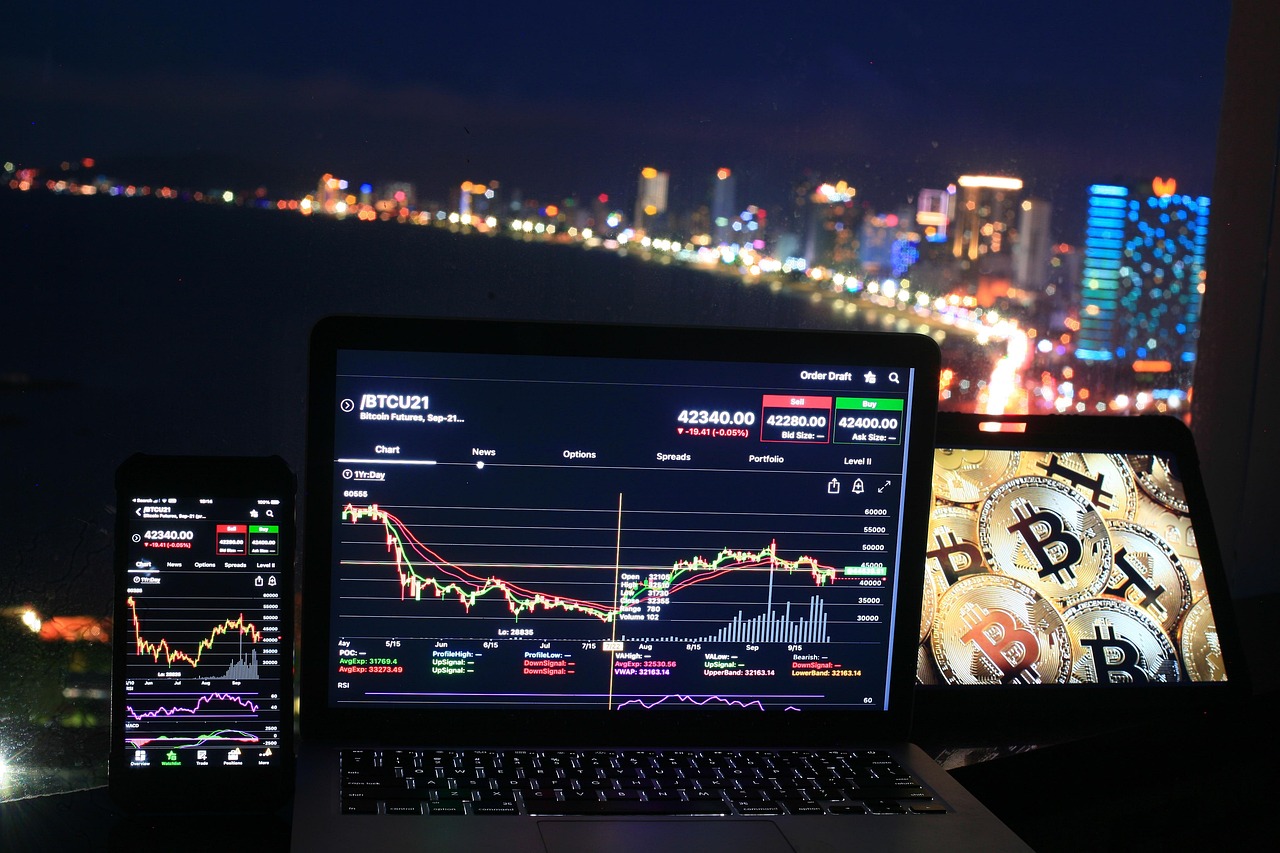
- Futures Trading: Trade contracts that obligate you to buy or sell an asset at a predetermined future date and price. This is a more advanced trading strategy.
- Binance Earn: Earn rewards on your cryptocurrency holdings by staking, lending, or participating in other activities.
- Binance NFT Marketplace: Buy, sell, and trade non-fungible tokens (NFTs).
- Binance Launchpad/Launchpool: Participate in the initial coin offerings (ICOs) of new cryptocurrency projects.
- Binance Pay: A contactless, borderless, and secure way to pay and get paid in crypto.
Binance’s Global Presence and Regulatory Landscape
Binance operates globally but faces varying regulatory scrutiny in different countries. It’s essential to be aware of the legal and regulatory environment in your jurisdiction before using Binance. While Binance has worked to comply with regulations, it’s also faced restrictions and bans in some regions. They now offer localized versions, such as Binance.US, designed to comply with specific regional regulations. Always do your own research and consult legal counsel if needed.
Getting Started with Binance
Account Creation and Verification
Depositing Funds
- Crypto Deposits: Transfer cryptocurrencies from other wallets or exchanges to your Binance wallet. Choose the correct network when depositing to avoid losing your funds. For example, if you’re depositing USDT, ensure you select the correct network (e.g., ERC20, TRC20, BEP20).
- Fiat Deposits: Deposit fiat currencies (e.g., USD, EUR) using bank transfers, credit cards, or other supported payment methods. Availability depends on your region.
- P2P Trading: Buy or sell crypto directly from other users through the Binance P2P platform using various payment methods.
Navigating the Binance Interface
The Binance interface can be overwhelming for beginners. Here are a few tips:
- Start Simple: Begin with the “Convert” function for basic crypto purchases.
- Explore the Trading View: Familiarize yourself with the charts, order books, and trading tools gradually.
- Utilize the Help Center: Binance offers extensive documentation and FAQs to answer common questions.
- Use the Mobile App: The mobile app provides a simplified interface for trading on the go.
Binance Trading: Spot, Margin, and Futures
Spot Trading Explained
Spot trading involves buying and selling cryptocurrencies for immediate delivery. You’re essentially exchanging one crypto for another or for fiat currency at the current market price.
- Market Orders: Execute trades immediately at the best available price.
- Limit Orders: Set a specific price at which you want to buy or sell. The order will only be executed if the market reaches that price.
- Stop-Limit Orders: Combine a stop price and a limit price. The order becomes a limit order when the stop price is reached.
- Example: You want to buy Bitcoin (BTC) at $30,000. You place a limit order to buy BTC at $30,000. If the price of BTC drops to $30,000, your order will be executed.
Margin Trading: Amplifying Your Profits (and Losses)
Margin trading allows you to borrow funds from Binance to increase your trading capital. This can amplify your profits, but it also increases your risk of losses.
- Leverage: Binance offers different levels of leverage (e.g., 3x, 5x, 10x). Higher leverage means higher potential profits and losses.
- Margin Call: If your losses exceed a certain threshold, you will receive a margin call, requiring you to add more funds to your account or risk having your positions liquidated.
- Risk Management: Implement strict risk management strategies, such as using stop-loss orders, to protect your capital.
- Example: You have $1,000 and want to trade with 5x leverage. You can borrow $4,000 from Binance, giving you a total of $5,000 to trade with. If the price of your asset increases by 10%, your profit is $500 (50% return on your initial $1,000). However, if the price decreases by 10%, you lose $500 (50% loss on your initial $1,000).
Futures Trading: Advanced Trading Strategies
Futures trading involves trading contracts that obligate you to buy or sell an asset at a predetermined future date and price. It’s a more complex trading strategy often used for hedging or speculation.
- Perpetual Futures: Futures contracts that do not have an expiration date.
- Delivery Futures: Futures contracts that expire on a specific date.
- Funding Rate: A periodic payment either paid or received based on the difference between the perpetual futures price and the spot price.
- High Risk: Futures trading is highly leveraged and carries significant risk. Only experienced traders should engage in futures trading.
- Example: You believe the price of Ethereum (ETH) will increase in the future. You enter a long position in an ETH futures contract. If the price of ETH increases, you profit. If the price of ETH decreases, you lose.
Binance Earn: Generating Passive Income
Staking: Earning Rewards for Holding Crypto
Staking involves holding cryptocurrencies in a wallet to support the operations of a Blockchain network. In return, you earn staking rewards.
- Locked Staking: Lock your crypto for a fixed period and earn higher rewards.
- Flexible Staking: Stake your crypto and unstake it at any time, but the rewards may be lower.
- DeFi Staking: Participate in decentralized finance (DeFi) protocols and earn rewards.
- Example: You stake 1 BNB for 30 days with an estimated annual yield of 5%. After 30 days, you receive your staked BNB back plus the staking rewards.
Lending: Earning Interest on Your Crypto
Lending involves lending your crypto to other users on Binance. You earn interest on the loaned crypto.
- Fixed Lending: Lend your crypto for a fixed period and earn a fixed interest rate.
- Flexible Lending: Lend your crypto and withdraw it at any time, but the interest rate may vary.
- Example: You lend 100 USDT for 7 days with an annual interest rate of 2%. After 7 days, you receive your 100 USDT back plus the interest earned.
Launchpool: Earning New Tokens
Binance Launchpool allows you to stake your BNB, BUSD, or other supported tokens to earn new tokens from projects launching on Binance.
- Example: A new project launches on Binance Launchpool, and you stake BNB to earn the new token. After the staking period, you receive the new tokens proportional to your staked BNB.
Security and Risk Management on Binance
Security Measures
- Two-Factor Authentication (2FA): Essential for protecting your account. Use Google Authenticator or Authy for stronger security than SMS.
- Anti-Phishing Code: Set up an anti-phishing code to verify the authenticity of Binance emails.
- Address Whitelisting: Restrict withdrawals to whitelisted addresses to prevent unauthorized withdrawals.
- Cold Storage: Binance stores a significant portion of its users’ funds in cold storage wallets, which are not connected to the internet, to protect against hacking.
Risk Management Strategies
- Diversification: Don’t put all your eggs in one basket. Diversify your cryptocurrency portfolio to reduce risk.
- Stop-Loss Orders: Use stop-loss orders to limit your potential losses.
- Take Profit Orders: Use take profit orders to secure your profits.
- Dollar-Cost Averaging (DCA): Invest a fixed amount of money at regular intervals to reduce the impact of market volatility.
- Research: Before investing in any cryptocurrency, conduct thorough research and understand the risks involved.
- Never Invest More Than You Can Afford to Lose: Cryptocurrency investments are highly volatile, and you should only invest what you can afford to lose without impacting your financial well-being.
Conclusion
Binance provides a comprehensive platform for accessing the cryptocurrency market. From spot trading to advanced futures, and from staking to lending, Binance offers a diverse range of services to suit different investment strategies and risk tolerances. However, it’s crucial to understand the risks involved and implement appropriate security measures and risk management strategies. By staying informed and practicing responsible trading habits, you can navigate the world of Binance with confidence and potentially achieve your financial goals in the digital asset space. Remember to always do your own research (DYOR) and consult with a financial advisor before making any investment decisions.
Read our previous article: Beyond Silicon Valley: Untapped Potential In Emerging Tech Hubs
Visit Our Main Page https://thesportsocean.com/