Is Bitcoin just digital gold or is it something much more? Bitcoin, the pioneering cryptocurrency, has sparked a revolution in the financial landscape, challenging traditional notions of money and value. From its mysterious origins to its volatile price swings, Bitcoin continues to captivate and confuse in equal measure. This post will delve into the inner workings of Bitcoin, exploring its underlying technology, potential benefits, and inherent risks, to help you navigate the world of decentralized finance.
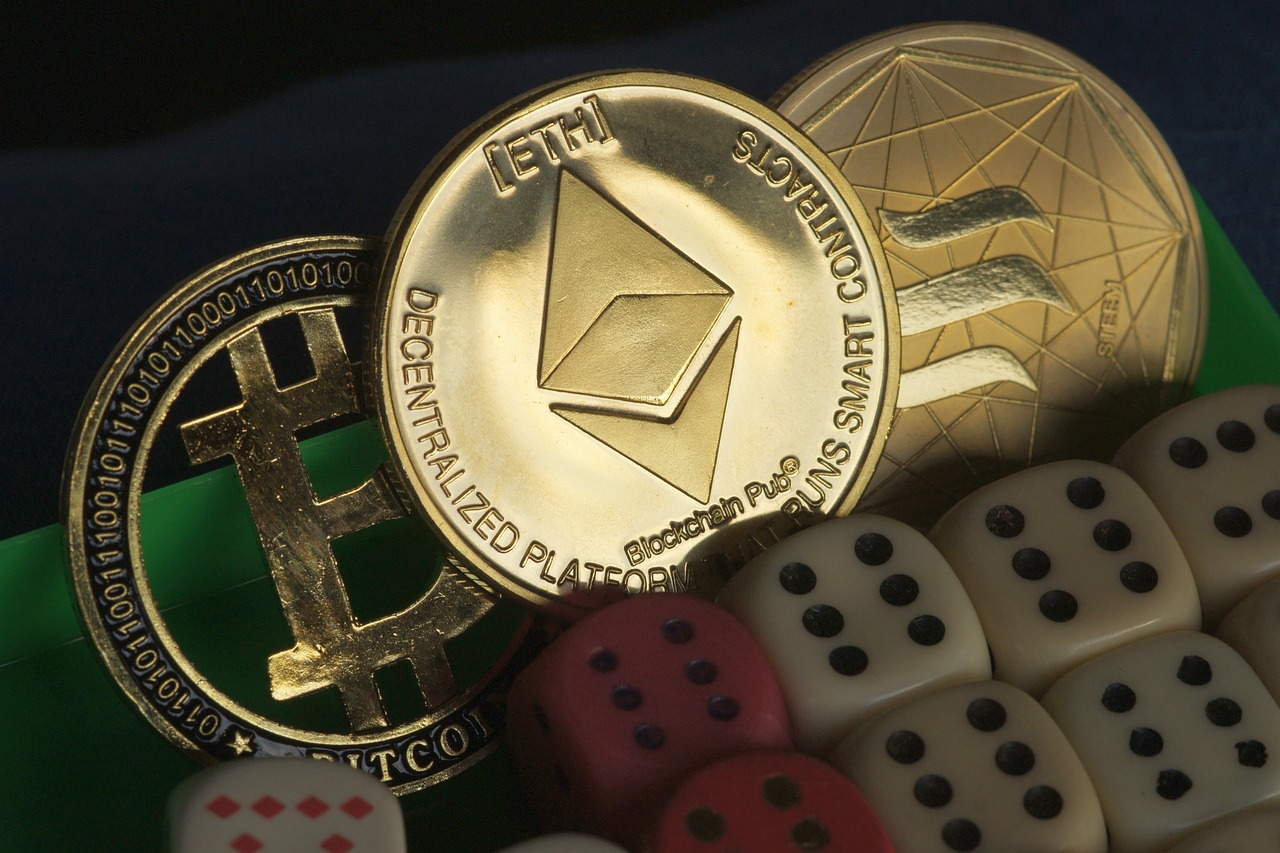
Understanding Bitcoin: A Digital Currency
What is Bitcoin?
Bitcoin is a decentralized digital currency, meaning it’s not controlled by a single entity like a central bank. It operates on a technology called blockchain, which is a public, distributed ledger recording all transactions. Transactions are verified by network nodes through cryptography and recorded in a blockchain. Bitcoin was created in 2009 by an unknown person or group of people using the pseudonym Satoshi Nakamoto.
Think of Bitcoin as a digital file representing value. This file can be transferred from one person to another without the need for a middleman like a bank. The blockchain acts as a public record, making it transparent and secure. Unlike traditional currencies, there’s a finite supply of Bitcoin: only 21 million will ever be created.
The Blockchain Technology Behind Bitcoin
The blockchain is the backbone of Bitcoin. It’s a chain of “blocks” that contain information about transactions. Each block is linked to the previous one using cryptography, making it extremely difficult to tamper with the data.
- Decentralization: The blockchain is distributed across numerous computers, making it resistant to censorship and single points of failure.
- Transparency: All transactions are publicly visible on the blockchain. While you can’t see the personal information of users, you can see the movement of Bitcoin between addresses.
- Security: Cryptographic techniques ensure the integrity and security of the blockchain. Altering a single block would require altering all subsequent blocks, which is computationally infeasible for most adversaries.
Example: Imagine Alice sends 1 Bitcoin to Bob. This transaction is broadcast to the Bitcoin network and added to a pending block. Miners then verify the transaction by solving a complex mathematical problem. Once verified, the block is added to the blockchain, and the transaction is confirmed. Bob now has 1 Bitcoin, and the transaction is permanently recorded on the blockchain.
How Bitcoin Works: Mining and Transactions
Bitcoin Mining: Securing the Network
Bitcoin mining is the process of verifying and adding new transactions to the blockchain. Miners use powerful computers to solve complex cryptographic puzzles. The first miner to solve the puzzle gets to add the next block to the blockchain and receives a reward in the form of newly minted Bitcoin.
- Proof-of-Work (PoW): Bitcoin uses a Proof-of-Work consensus mechanism. This requires miners to expend computational resources to solve the puzzle, making it costly to attack the network.
- Block Reward: The block reward is the amount of Bitcoin awarded to miners for adding a new block. This reward is halved approximately every four years, a process known as “halving.”
- Difficulty Adjustment: The difficulty of the mining puzzle is adjusted every two weeks to ensure that blocks are added to the blockchain at a consistent rate of approximately one every ten minutes.
Example: A mining pool combines the computing power of multiple miners to increase their chances of solving the puzzle and earning the block reward. This allows smaller players to participate in the mining process.
Sending and Receiving Bitcoin
To send or receive Bitcoin, you need a Bitcoin wallet. A wallet stores your private keys, which are used to authorize transactions. There are various types of wallets:
- Software Wallets: Applications installed on your computer or smartphone. These are convenient but can be vulnerable to malware.
- Hardware Wallets: Physical devices that store your private keys offline, offering a higher level of security.
- Exchange Wallets: Accounts on cryptocurrency exchanges where you can buy, sell, and store Bitcoin. These are convenient but carry the risk of the exchange being hacked.
When you send Bitcoin, you specify the recipient’s Bitcoin address and the amount you want to send. The transaction is then broadcast to the Bitcoin network and added to a pending block. Once the transaction is confirmed, the recipient receives the Bitcoin.
The Benefits and Risks of Bitcoin
Advantages of Bitcoin
Bitcoin offers several potential advantages over traditional financial systems:
- Decentralization: No single entity controls Bitcoin, making it resistant to censorship and manipulation.
- Transparency: All transactions are publicly visible on the blockchain.
- Security: Cryptography ensures the integrity and security of the blockchain.
- Lower Transaction Fees: Bitcoin transactions can often have lower fees compared to traditional banking systems, especially for international transfers.
- Potential for Investment Returns: Bitcoin’s price has historically been volatile, but it has also offered significant returns for early adopters.
- Financial Inclusion: Bitcoin can provide access to financial services for people who are unbanked or underbanked.
Disadvantages and Risks of Bitcoin
Despite its advantages, Bitcoin also has several risks and disadvantages:
- Volatility: Bitcoin’s price is highly volatile, making it a risky investment.
- Scalability: Bitcoin’s transaction processing capacity is limited, which can lead to high transaction fees and slow confirmation times during periods of high demand.
- Regulatory Uncertainty: The regulatory landscape surrounding Bitcoin is still evolving, which can create uncertainty for investors and businesses.
- Security Risks: Bitcoin wallets can be vulnerable to hacking and theft.
- Environmental Concerns: Bitcoin mining consumes a significant amount of energy, which raises environmental concerns.
- Complexity: Understanding Bitcoin and its underlying technology can be challenging for newcomers.
Investing in Bitcoin: A Beginner’s Guide
Buying Bitcoin
You can buy Bitcoin through various channels:
- Cryptocurrency Exchanges: Platforms like Coinbase, Binance, and Kraken allow you to buy Bitcoin with fiat currencies (e.g., USD, EUR).
- Peer-to-Peer (P2P) Marketplaces: Platforms like LocalBitcoins connect buyers and sellers directly.
- Bitcoin ATMs: Physical machines that allow you to buy Bitcoin with cash or debit cards.
Example: To buy Bitcoin on Coinbase, you would create an account, verify your identity, and link your bank account or debit card. You can then place an order to buy Bitcoin at the current market price or set a limit order to buy Bitcoin at a specific price.
Storing Bitcoin Safely
Storing your Bitcoin securely is crucial to protect your investment:
- Hardware Wallets: The most secure option for storing large amounts of Bitcoin.
- Software Wallets: Suitable for smaller amounts of Bitcoin that you plan to use regularly.
- Exchange Wallets: Only recommended for short-term storage if you plan to trade your Bitcoin frequently.
Tips for securing your Bitcoin:
- Enable two-factor authentication (2FA) on your exchange and wallet accounts.
- Use a strong, unique password for each account.
- Keep your private keys offline and secure.
- Be wary of phishing scams and other attempts to steal your Bitcoin.
The Future of Bitcoin: Trends and Predictions
Potential Developments
The future of Bitcoin is uncertain, but several potential developments could shape its trajectory:
- Increased Adoption: As more businesses and institutions accept Bitcoin, its value and utility could increase.
- Regulatory Clarity: Clearer regulations could provide more certainty for investors and businesses, leading to greater adoption.
- Technological Advancements: Improvements to Bitcoin’s scalability and energy efficiency could address some of its current limitations.
- Institutional Investment: Increased investment from institutional investors could drive up the price of Bitcoin.
Challenges and Concerns
Bitcoin also faces several challenges and concerns that could hinder its growth:
- Competition from Other Cryptocurrencies: There are thousands of other cryptocurrencies, some of which may offer advantages over Bitcoin.
- Regulatory Crackdowns: Governments could impose stricter regulations on Bitcoin, potentially limiting its use.
- Security Breaches: Bitcoin exchanges and wallets remain vulnerable to hacking and theft.
- Economic Downturn: A global economic downturn could negatively impact the price of Bitcoin.
Conclusion
Bitcoin represents a fascinating and disruptive force in the financial world. While it offers potential benefits like decentralization, transparency, and lower transaction fees, it also comes with risks like volatility, scalability issues, and regulatory uncertainty. Whether Bitcoin will become a mainstream currency or remain a niche asset is still to be seen. Understanding the fundamentals of Bitcoin, its underlying technology, and its potential risks is crucial for anyone considering investing in or using this digital currency. As the cryptocurrency landscape continues to evolve, staying informed and making cautious decisions will be key to navigating the world of Bitcoin.
Read our previous article: Data Science: Unlocking Bias Or Unveiling Truth?
Visit Our Main Page https://thesportsocean.com/