Bitcoin, a revolutionary Digital currency, has captured the world’s attention with its decentralized nature and potential to transform financial systems. Understanding bitcoin, its underlying Technology, and its implications is crucial for anyone navigating the modern financial landscape. This comprehensive guide will delve into the intricacies of bitcoin, exploring its origins, functionality, and future prospects.
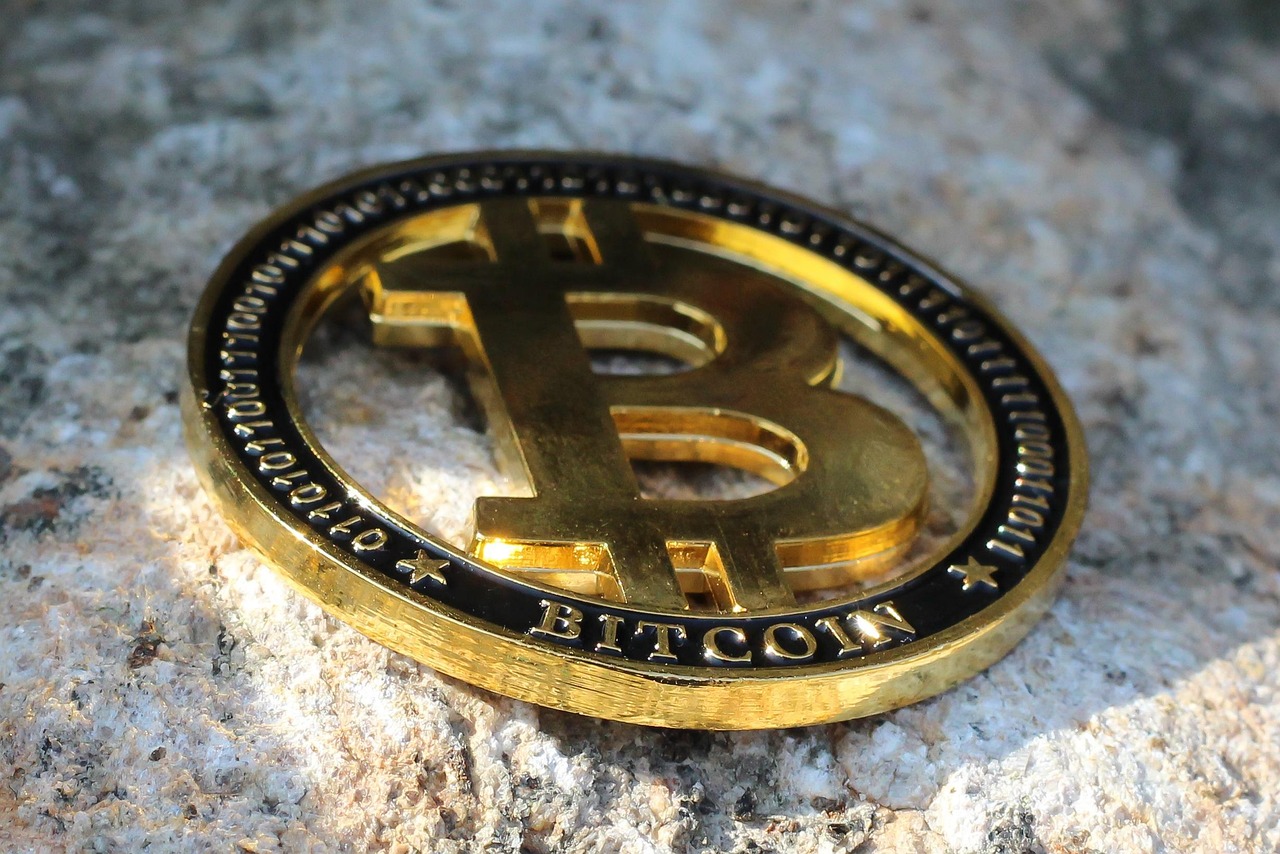
What is Bitcoin?
The Genesis of Bitcoin
Bitcoin was created in 2008 by an anonymous person or group using the pseudonym Satoshi Nakamoto. The whitepaper, titled “Bitcoin: A Peer-to-Peer Electronic Cash System,” outlined the design for a decentralized digital currency that could operate without the need for a central authority like a bank or government. The first bitcoin transaction took place in January 2009, marking the beginning of the cryptocurrency era.
How Bitcoin Works: A Technological Overview
Bitcoin operates on a technology called blockchain, a distributed, public ledger that records all bitcoin transactions. Here’s a breakdown of the key components:
- Blockchain: A chain of blocks, where each block contains a batch of recent transactions. Once a block is added to the chain, it cannot be altered, ensuring the integrity of the data.
- Cryptography: Bitcoin uses cryptographic algorithms to secure transactions and control the creation of new bitcoins. Public and private keys are used to digitally sign transactions, proving ownership and preventing fraud.
- Mining: The process of verifying and adding new transactions to the blockchain. Miners solve complex mathematical problems to validate transactions and are rewarded with newly minted bitcoins and transaction fees. This incentivizes participation and ensures the security of the network.
- Decentralization: Bitcoin’s decentralized nature means that no single entity controls the network. This eliminates the risk of censorship or manipulation by a central authority.
Practical Example: A Bitcoin Transaction
Imagine Alice wants to send 1 Bitcoin to Bob.
The Benefits of Bitcoin
Decentralization and Security
Bitcoin’s decentralized nature is one of its biggest strengths. Without a central authority, it’s resistant to censorship, fraud, and single points of failure. The blockchain’s cryptographic security ensures that transactions are tamper-proof and verifiable.
Transparency and Auditability
All bitcoin transactions are recorded on the public blockchain, making them transparent and auditable. Anyone can view the transaction history, although the identities of the parties involved are pseudonymous.
Lower Transaction Fees
Compared to traditional financial systems, bitcoin transactions can have lower fees, especially for international transfers. This is because there are no intermediaries like banks taking a cut. While fees can fluctuate based on network congestion, they are often more competitive than traditional methods, particularly for large amounts.
Inflation Hedge
Bitcoin has a limited supply of 21 million coins, which some see as a hedge against inflation. Unlike fiat currencies, which can be printed at will by central banks, bitcoin’s scarcity may help it retain value over time.
Accessibility
Bitcoin provides access to financial services for people who are unbanked or underbanked. Anyone with an internet connection can use bitcoin, regardless of their location or credit history.
Investing in Bitcoin
Understanding the Risks
Investing in bitcoin involves risks, including:
- Volatility: Bitcoin’s price can fluctuate dramatically in short periods, making it a high-risk investment.
- Security Risks: While the Bitcoin network itself is secure, individual wallets and exchanges can be vulnerable to hacking.
- Regulatory Uncertainty: The legal and regulatory landscape for bitcoin is still evolving, and changes in regulations could negatively impact its value.
- Complexity: Understanding bitcoin and its underlying technology can be challenging for beginners.
How to Buy Bitcoin
You can buy bitcoin through various methods:
- Cryptocurrency Exchanges: Platforms like Coinbase, Binance, and Kraken allow you to buy bitcoin using fiat currencies (e.g., USD, EUR).
- Peer-to-Peer (P2P) Marketplaces: Platforms like LocalBitcoins connect buyers and sellers directly.
- Bitcoin ATMs: These machines allow you to buy bitcoin using cash or debit cards.
Storing Your Bitcoin: Wallets
A bitcoin wallet is a Software or hardware device that allows you to store, send, and receive bitcoin. There are several types of wallets:
- Hardware Wallets: Physical devices that store your private keys offline, providing the highest level of security. Examples include Ledger and Trezor.
- Software Wallets: Applications installed on your computer or mobile device. Examples include Exodus and Electrum.
- Web Wallets: Online wallets that can be accessed through a web browser. Examples include Blockchain.com.
- Paper Wallets: A piece of paper containing your public and private keys.
Tips for Investing in Bitcoin
- Do Your Research: Understand the risks and potential rewards before investing.
- Start Small: Don’t invest more than you can afford to lose.
- Diversify Your Portfolio: Don’t put all your eggs in one basket.
- Secure Your Wallet: Use strong passwords and enable two-factor authentication.
- Stay Informed: Keep up-to-date on the latest developments in the bitcoin space.
The Future of Bitcoin
Potential Use Cases
Bitcoin has the potential to be used in a variety of ways:
- Digital Gold: A store of value that can protect against inflation and economic uncertainty.
- Cross-Border Payments: A fast and cheap way to send money internationally.
- Decentralized Applications (DApps): The foundation for building decentralized applications that operate on the blockchain.
- Micropayments: A way to make small payments online, without the need for credit cards or other intermediaries.
Challenges and Opportunities
Despite its potential, bitcoin faces several challenges:
- Scalability: The Bitcoin network can only process a limited number of transactions per second, which can lead to congestion and high fees.
- Energy Consumption: Bitcoin mining requires a significant amount of energy, which has raised environmental concerns.
- Regulation: The lack of clear regulation has created uncertainty for businesses and investors.
However, there are also significant opportunities:
- Technological Advancements: Ongoing development efforts are aimed at improving bitcoin’s scalability, security, and energy efficiency.
- Institutional Adoption: Increasing interest from institutional investors could drive up demand and legitimize bitcoin as an asset class.
- Global Adoption: As more people around the world gain access to the internet and mobile devices, bitcoin could become a more widely used form of payment.
Conclusion
Bitcoin represents a groundbreaking innovation in the world of finance. Its decentralized nature, transparency, and potential for lower transaction fees offer significant advantages over traditional financial systems. While investing in bitcoin carries risks, its potential as a store of value, a medium of exchange, and a platform for decentralized applications makes it a compelling asset to consider. Staying informed, understanding the risks, and diversifying your portfolio are essential steps for anyone looking to participate in the bitcoin revolution. As technology evolves and adoption grows, Bitcoin may very well shape the future of money and finance.
Read our previous article: Future-Proofing Networks: Quantum-Resistant Infrastructure Imperative
Visit Our Main Page https://thesportsocean.com/