Bitcoin: Understanding the Original Cryptocurrency and Its Impact
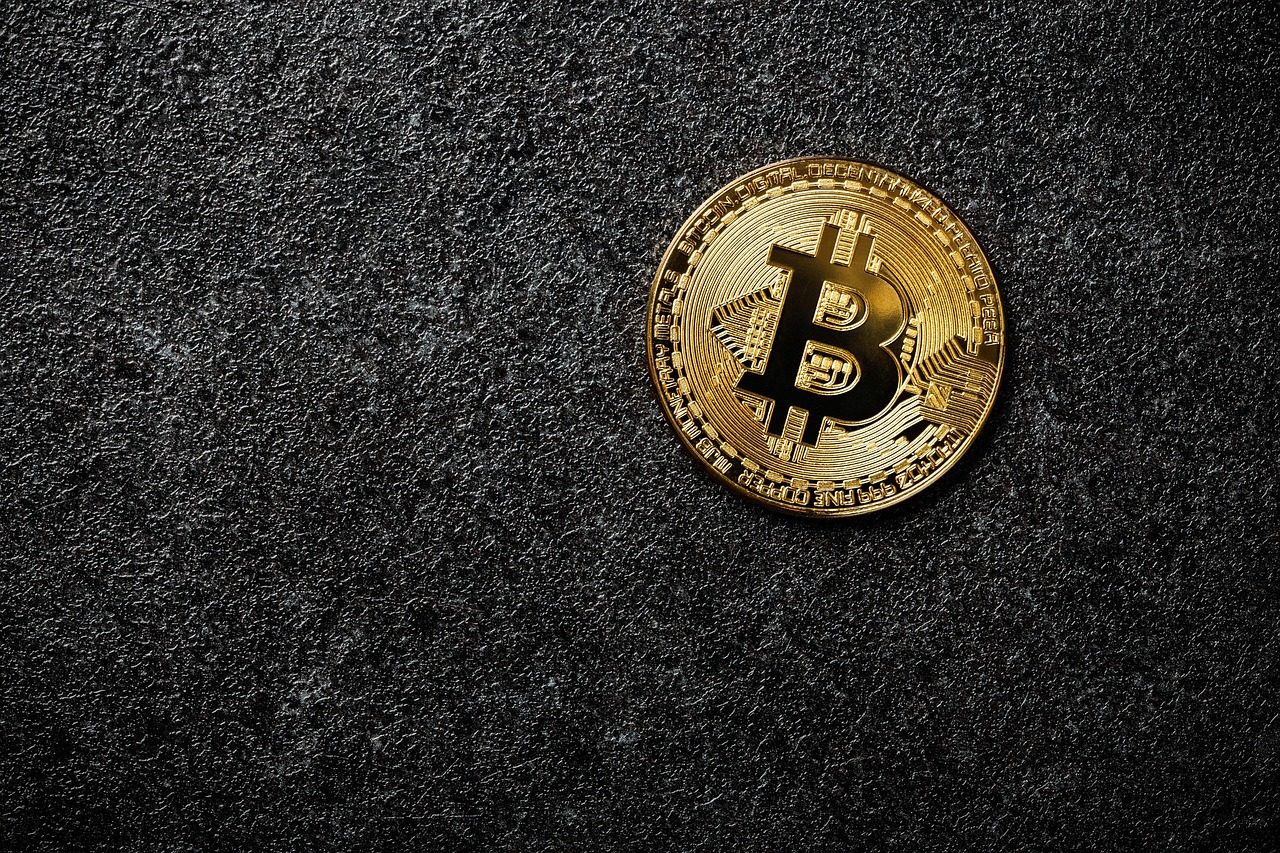
Bitcoin. The name alone evokes images of Digital gold, technological revolution, and complex financial instruments. But what exactly is Bitcoin? Beyond the headlines and market fluctuations, lies a revolutionary Technology poised to reshape our understanding of money and finance. This blog post aims to demystify Bitcoin, exploring its origins, functionality, and the significant impact it’s having on the world.
What is Bitcoin?
The Foundation of Decentralized Currency
Bitcoin is a decentralized digital currency, meaning it’s not controlled by a central bank or single administrator. Instead, it operates on a peer-to-peer network, secured by cryptography. This decentralized nature is one of Bitcoin’s core tenets, offering users greater control and autonomy over their finances.
- Decentralization: No single entity controls Bitcoin. The network is maintained by a distributed community of users.
- Cryptography: Strong cryptographic algorithms secure transactions and control the creation of new Bitcoins.
- Peer-to-Peer Network: Transactions are verified and recorded by a network of computers, eliminating the need for intermediaries.
The Genesis Block and Satoshi Nakamoto
Bitcoin was introduced in 2008 by an anonymous entity known as Satoshi Nakamoto. Nakamoto published a whitepaper outlining the design and principles of Bitcoin, and in 2009, the first Bitcoin block, known as the “Genesis Block,” was mined. The identity of Satoshi Nakamoto remains a mystery to this day.
- The Whitepaper: Nakamoto’s whitepaper detailed the technical specifications and philosophical underpinnings of Bitcoin.
- Genesis Block: The first block mined on the Bitcoin blockchain, marking the beginning of the Bitcoin network.
- Anonymity: The mystery surrounding Satoshi Nakamoto contributes to the decentralized nature of Bitcoin and its focus on trustless transactions.
How Does Bitcoin Differ from Traditional Currency?
Traditional currencies, like the US dollar or Euro, are issued and regulated by central banks. Bitcoin, on the other hand, operates independently of these institutions. This key difference has significant implications:
- Limited Supply: Bitcoin has a capped supply of 21 million coins, meaning no more can ever be created. This scarcity can potentially make it a store of value, similar to gold.
- Transparency: All Bitcoin transactions are recorded on a public ledger called the blockchain, making them transparent and auditable.
- Lower Transaction Fees: Depending on network congestion, Bitcoin transaction fees can sometimes be lower than those charged by traditional financial institutions, especially for international transfers. However, fees can spike during periods of high demand.
Understanding the Blockchain
What is a Blockchain?
The blockchain is a distributed, immutable ledger that records all Bitcoin transactions. It’s essentially a digital record book that’s shared among all participants in the Bitcoin network.
- Distributed Ledger: The blockchain is copied across many computers, making it resistant to tampering and censorship.
- Immutable Records: Once a transaction is recorded on the blockchain, it cannot be altered or deleted.
- Blocks: Transactions are grouped into blocks, which are then linked together chronologically, forming the chain.
Mining and Consensus
New blocks are added to the blockchain through a process called mining. Miners use powerful computers to solve complex mathematical problems, and the first miner to solve the problem gets to add the next block to the chain and receive a reward in Bitcoin. This process is essential for securing the network and ensuring the integrity of the blockchain. This method is known as Proof-of-Work (PoW).
- Proof-of-Work (PoW): Requires significant computational power to validate transactions and create new blocks.
- Mining Rewards: Miners are rewarded with newly created Bitcoins and transaction fees for their work.
- Consensus Mechanism: Ensures that all participants in the network agree on the validity of transactions.
Verifying Transactions
When a transaction is initiated, it’s broadcast to the Bitcoin network. Miners then verify the transaction by confirming that the sender has sufficient funds and that the transaction is valid. Once verified, the transaction is included in a block, which is then added to the blockchain.
- Transaction Broadcasting: Transactions are sent to the network for verification.
- Verification Process: Miners check the validity of transactions using cryptographic techniques.
- Block Confirmation: Once a block is added to the blockchain, the transactions within it are considered confirmed.
Using Bitcoin
Acquiring Bitcoin
There are several ways to acquire Bitcoin:
- Exchanges: Cryptocurrency exchanges like Coinbase, Binance, and Kraken allow you to buy Bitcoin using fiat currencies (e.g., USD, EUR).
- Peer-to-Peer (P2P) Marketplaces: Platforms like LocalBitcoins connect buyers and sellers directly.
- Mining: While it’s more complex and requires specialized hardware, you can mine Bitcoin. However, this is typically only profitable for large-scale operations.
- Earning Bitcoin: Some companies pay in Bitcoin for goods or services.
Bitcoin Wallets
To store and manage your Bitcoin, you’ll need a Bitcoin wallet. There are different types of wallets, each offering varying levels of security and convenience:
- Software Wallets: Applications that you install on your computer or smartphone. Examples include Electrum and Exodus.
- Hardware Wallets: Physical devices that store your private keys offline, offering the highest level of security. Examples include Ledger and Trezor.
- Web Wallets: Online services that store your Bitcoin on a server. These are convenient but generally less secure than software or hardware wallets. Examples include Coinbase Wallet and Blockchain.com Wallet.
- Paper Wallets: A physical document containing your Bitcoin address and private key.
Sending and Receiving Bitcoin
Sending and receiving Bitcoin is similar to sending an email. You need the recipient’s Bitcoin address, which is a long string of characters.
- Address: The Bitcoin address is like a bank account number.
- Transaction Fee: You’ll need to pay a small transaction fee to the miners to ensure that your transaction is processed quickly.
- Confirmation Time: The time it takes for a transaction to be confirmed depends on the network congestion and the transaction fee.
The Future of Bitcoin
Bitcoin as a Store of Value
Many see Bitcoin as a store of value, similar to gold. Its limited supply and decentralized nature make it attractive as a hedge against inflation and economic uncertainty.
- Scarcity: The limited supply of Bitcoin makes it potentially valuable over time.
- Inflation Hedge: Bitcoin’s fixed supply helps protect against the devaluation of fiat currencies.
- Safe Haven Asset: In times of economic turmoil, Bitcoin is often seen as a safe haven asset.
Bitcoin as a Payment System
Bitcoin can also be used as a payment system for online and offline transactions.
- Cross-Border Payments: Bitcoin can facilitate faster and cheaper cross-border payments compared to traditional methods.
- Micropayments: Bitcoin can be used for micropayments, which are too small to be practical with traditional payment systems.
- Growing Adoption: More and more businesses are accepting Bitcoin as a form of payment.
Challenges and Opportunities
While Bitcoin has enormous potential, it also faces challenges:
- Volatility: Bitcoin’s price is highly volatile, which can make it risky for investors.
- Scalability: The Bitcoin network can only process a limited number of transactions per second, leading to congestion and higher fees during peak times. Solutions like the Lightning Network are being developed to address this.
- Regulation: The regulatory landscape for Bitcoin is still evolving, and regulations vary from country to country.
- Energy Consumption: Bitcoin mining consumes a significant amount of energy, raising environmental concerns. However, there is a growing trend towards using renewable energy sources for mining.
Conclusion
Bitcoin is a groundbreaking technology with the potential to transform the world of finance. While it faces challenges such as volatility and scalability, its decentralized nature, limited supply, and transparent blockchain make it a compelling alternative to traditional currencies. Understanding the fundamentals of Bitcoin is crucial for anyone interested in the future of money and technology. Whether Bitcoin will become the dominant global currency remains to be seen, but its impact on the financial landscape is undeniable.
Read our previous article: Quantum Supremacys Echo: Beyond Near-Term Horizons
Visit Our Main Page https://thesportsocean.com/