Imagine receiving free cryptocurrency tokens simply for being part of a community or holding a specific Digital asset. That’s the essence of a crypto airdrop, a marketing strategy employed by blockchain projects to distribute free tokens to a large audience. Understanding how airdrops work, their potential benefits, and the inherent risks involved is crucial for anyone navigating the crypto landscape. This comprehensive guide will delve into the world of crypto airdrops, providing you with the knowledge you need to participate safely and effectively.
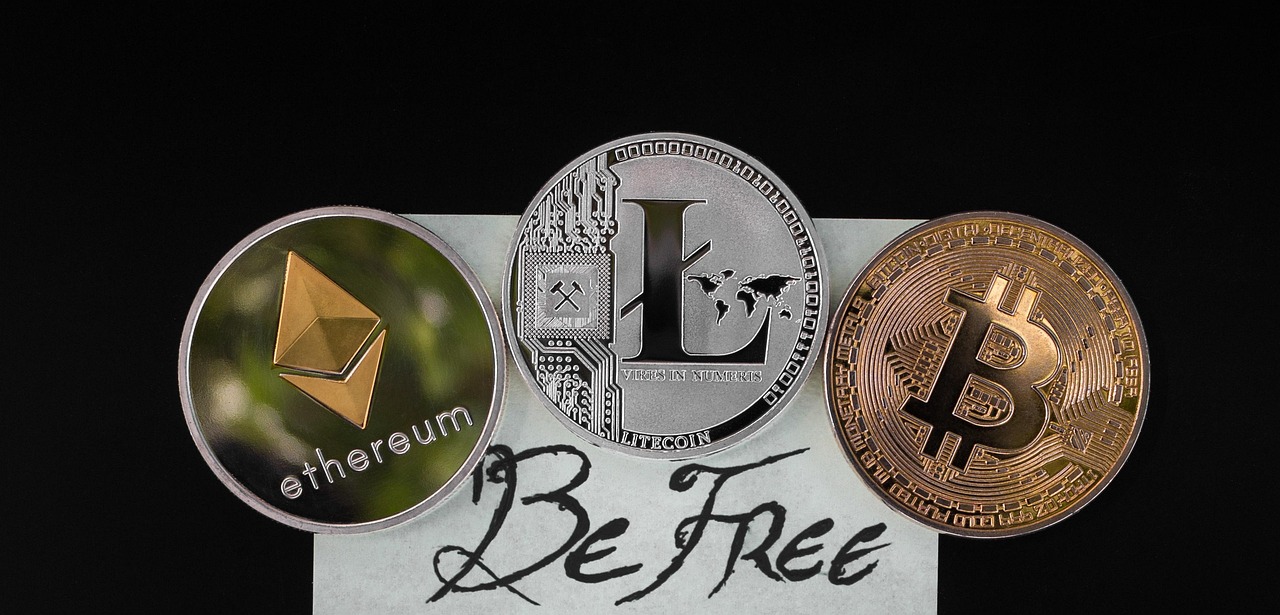
What is a Crypto Airdrop?
Definition and Purpose
A crypto airdrop is the distribution of cryptocurrency tokens or coins to numerous wallet addresses, typically for free. It’s a marketing tactic used by blockchain startups to gain initial traction, increase awareness, and build a community around their project. Think of it as a digital version of handing out flyers – but instead of paper, you’re getting potentially valuable digital assets.
The primary purposes of an airdrop include:
- Raising Awareness: Airdrops create buzz around a new project, attracting attention from potential users and investors.
- Distributing Tokens: Ensuring a wider distribution of tokens, rather than a concentration in the hands of a few, can lead to a more decentralized ecosystem.
- Rewarding Community: Airdrops often reward early adopters and active members of a project’s community for their support.
- Driving Adoption: By giving away tokens, projects encourage users to try out their platform or service.
Types of Airdrops
Not all airdrops are created equal. Understanding the different types will help you identify legitimate opportunities and avoid scams.
- Bounty Airdrops: These require completing specific tasks, such as following the project’s social media accounts, sharing posts, or creating content. This type is also sometimes called a social media airdrop.
- Holder Airdrops: These are distributed to users who already hold a specific cryptocurrency in their wallet. For example, holding a certain amount of Binance Coin (BNB) might qualify you for an airdrop of a new token launching on the Binance Smart Chain.
- Exclusive Airdrops: These are offered to a select group of users, often those who have demonstrated significant contributions to the community or participated in previous events.
- Hard Fork Airdrops: When a blockchain undergoes a hard fork, holders of the original coin often receive the new forked coin. A classic example is the Bitcoin Cash (BCH) airdrop to Bitcoin (BTC) holders following the Bitcoin Cash hard fork.
Finding Crypto Airdrops
Airdrop Aggregators and Platforms
Several websites and platforms specialize in listing and tracking upcoming and ongoing airdrops. These aggregators can save you time and effort in searching for potential opportunities.
- Airdrop Alert: A popular platform that lists airdrops and provides information on how to participate.
- CoinMarketCap: Features a dedicated airdrop section that lists active and upcoming airdrops. Look for the “Learn” tab, then “Free Airdrops.”
- Airdrops.io: Another reputable aggregator offering a curated list of airdrops.
- Various Crypto News Sites and Social Media Groups: Staying active in crypto communities on platforms like Telegram, Discord, and Twitter can alert you to new airdrops.
Tip: Always research the project thoroughly before participating in an airdrop, even if it’s listed on a reputable aggregator. Don’t rely solely on the listing platform’s information.
Due Diligence and Research
Before participating in any airdrop, it’s crucial to conduct thorough research to assess the project’s legitimacy and potential risks. This involves:
- Website Analysis: Examine the project’s website for professionalism, clarity, and a well-defined roadmap. Look for information about the team, Technology, and use case.
- Whitepaper Review: Read the project’s whitepaper to understand the underlying technology, tokenomics, and goals.
- Team Background Check: Research the team members to verify their experience and credentials. Check their LinkedIn profiles and look for past projects.
- Community Engagement: Assess the project’s community engagement on social media platforms and forums. Look for genuine interactions and discussions, rather than spam or bot activity.
- Tokenomics: Understand the token distribution, supply, and use cases. A well-designed tokenomics model is essential for the long-term success of the project.
Participating in Airdrops: A Step-by-Step Guide
Creating a Dedicated Crypto Wallet
For security reasons, it’s highly recommended to use a separate crypto wallet specifically for airdrop participation. This prevents you from exposing your main wallet to potential scams or malicious tokens.
- Choose a reputable wallet: Consider using a non-custodial wallet like MetaMask, Trust Wallet, or Ledger (hardware wallet).
- Secure your wallet: Back up your seed phrase and store it in a safe place. Enable two-factor authentication (2FA) for added security.
- Fund the wallet (optional): Some airdrops require a small amount of cryptocurrency (e.g., ETH, BNB) to pay for transaction fees.
Completing Required Tasks
Many airdrops require completing specific tasks to qualify for token distribution. These tasks typically involve:
- Following social media accounts: Like, follow, and retweet posts from the project’s official accounts on Twitter, Facebook, and other platforms.
- Joining Telegram or Discord groups: Engage in conversations and participate in the community.
- Subscribing to newsletters: Provide your email address to receive updates and announcements.
- Completing KYC (Know Your Customer) verification: Some airdrops require identity verification to prevent fraud and ensure compliance with regulations.
- Referring friends: Share your referral link to earn extra tokens for each successful referral.
Example: A bounty airdrop for a new DeFi protocol might require you to follow their Twitter account, join their Telegram group, retweet a specific announcement, and provide your wallet address. You may also be asked to write a short review of the project. Fulfilling all these requirements would qualify you for the airdrop.
Claiming and Managing Airdropped Tokens
Once the airdrop distribution is complete, you’ll need to claim your tokens. This process typically involves:
- Adding the token to your wallet: Most wallets require you to manually add the token’s contract address to your wallet to display the tokens. You can find the contract address on the project’s website or on blockchain explorers like Etherscan or BscScan.
- Paying gas fees (if required): Some airdrops require you to pay a small amount of gas fees to claim your tokens.
- Tracking your airdrops: Keep a record of the airdrops you’ve participated in and the tokens you’ve received. This will help you manage your portfolio and track the value of your airdropped tokens.
- Deciding what to do with your tokens: You can hold them in hopes that they increase in value, swap them for other cryptocurrencies, or use them within the project’s ecosystem.
Risks and Scams Associated with Airdrops
Identifying Potential Scams
Unfortunately, the crypto space is rife with scams, and airdrops are no exception. It’s crucial to be vigilant and identify potential red flags before participating.
- Phishing Airdrops: These scams involve tricking users into providing their private keys or seed phrases. Never share your private keys or seed phrases with anyone!
- Fake Websites and Social Media Accounts: Scammers often create fake websites and social media accounts that mimic legitimate projects. Always verify the authenticity of the website and social media accounts before participating.
- Malicious Tokens: Some airdrops distribute tokens that contain malicious code that can steal your funds or compromise your wallet.
- Excessive Personal Information Requests: Be wary of airdrops that require you to provide excessive personal information, such as your ID card or bank account details.
- Unrealistic Promises: If an airdrop promises guaranteed profits or unrealistic returns, it’s likely a scam.
Security Best Practices
Protecting yourself from airdrop scams requires following these security best practices:
- Never share your private keys or seed phrases.
- Use a dedicated wallet for airdrop participation.
- Enable two-factor authentication (2FA) on your wallet.
- Verify the authenticity of websites and social media accounts.
- Be wary of airdrops that require excessive personal information.
- Research the project thoroughly before participating.
- Use a hardware wallet for added security.
- Scan downloaded files with antivirus Software.
Example: A common phishing scam involves sending an email claiming to be from a legitimate project, asking you to click on a link to claim your airdrop. The link leads to a fake website that asks you to enter your private key. Never fall for this trick! Always access the project’s website directly by typing the address into your browser and never entering your private key or seed phrase.
Conclusion
Crypto airdrops can be a great way to discover new projects and potentially earn free cryptocurrency. However, they also come with inherent risks. By understanding the different types of airdrops, conducting thorough research, and following security best practices, you can navigate the world of crypto airdrops safely and effectively. Remember to always prioritize security and never share your private keys or seed phrases with anyone. With careful planning and due diligence, you can maximize your chances of finding legitimate and rewarding airdrop opportunities.
Read our previous article: Unseen Patterns: Data Science Reveals Hidden Worlds
Visit Our Main Page https://thesportsocean.com/