Crypto exchanges have revolutionized how we interact with Digital currencies, offering a gateway into the burgeoning world of Bitcoin, Ethereum, and countless other altcoins. These platforms aren’t just places to buy and sell; they are complex ecosystems with varying features, security protocols, and fee structures. Navigating the crypto exchange landscape can be daunting, but understanding the fundamentals is crucial for anyone looking to participate in this exciting financial frontier.
What is a Crypto Exchange?
Defining Crypto Exchanges
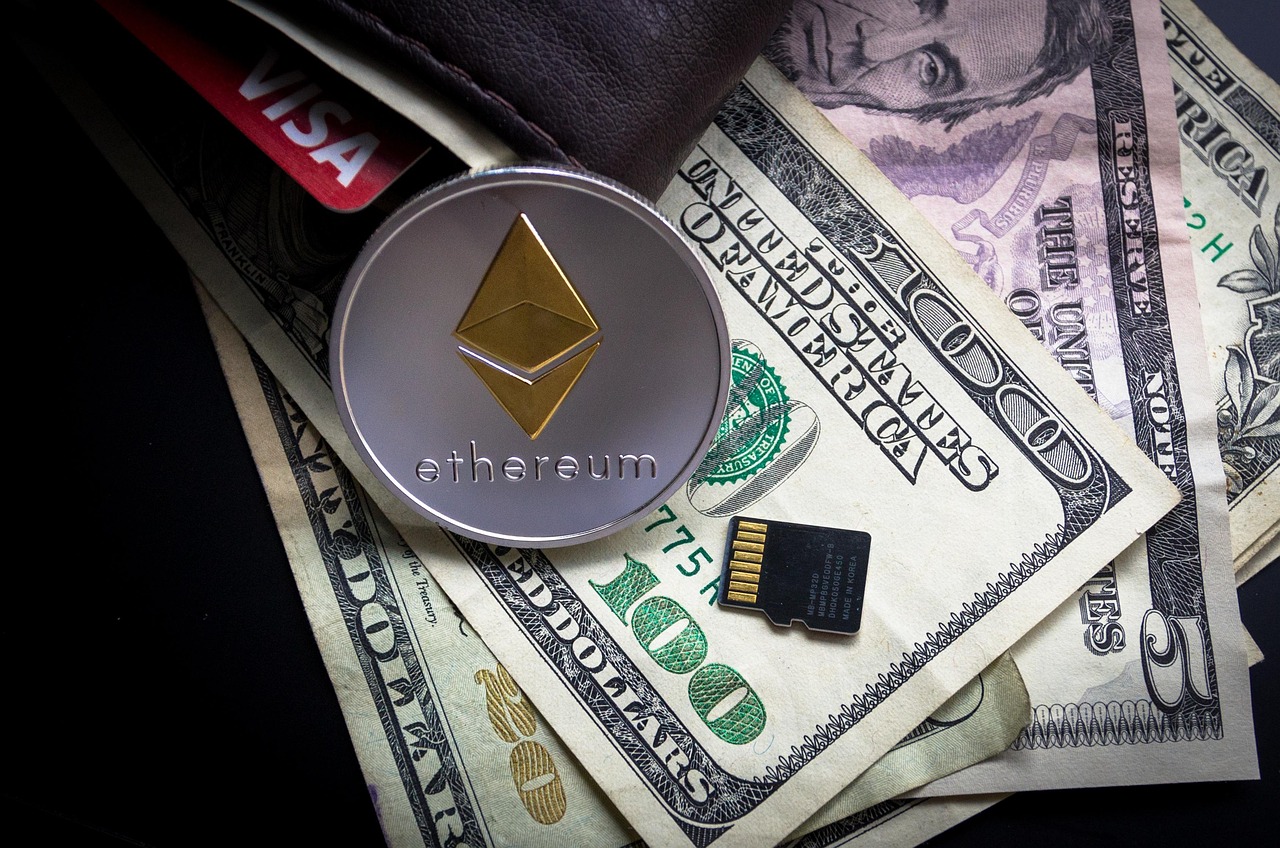
A cryptocurrency exchange is a digital marketplace where you can buy, sell, and trade cryptocurrencies. Think of it as the stock market, but specifically for digital assets. Exchanges act as intermediaries, connecting buyers and sellers and facilitating the exchange of cryptocurrencies for other cryptocurrencies or fiat currencies (like USD or EUR).
Types of Crypto Exchanges
There are primarily two main types of crypto exchanges: centralized and decentralized.
- Centralized Exchanges (CEXs): These are the most common type of exchange, operated by a company that manages the platform and facilitates trades. Examples include Binance, Coinbase, and Kraken. CEXs offer user-friendly interfaces, often provide customer support, and generally hold your cryptocurrency keys for you.
Pros: High liquidity, user-friendly interface, robust security measures (typically insured), easier access for beginners.
Cons: Custodial (you don’t control your private keys), potential for censorship, regulatory risks, susceptible to hacking.
- Decentralized Exchanges (DEXs): These exchanges operate on a Blockchain, allowing users to trade directly with each other without an intermediary. Examples include Uniswap, PancakeSwap, and SushiSwap. DEXs are non-custodial, meaning you maintain control of your private keys.
Pros: Non-custodial (you control your private keys), censorship resistance, transparency, lower fees in some cases.
Cons: Lower liquidity (can lead to slippage), more complex interface, may require more technical knowledge, smart contract risks.
How Crypto Exchanges Work: An Example
Let’s say you want to buy Bitcoin (BTC) using US Dollars (USD) on a centralized exchange like Coinbase.
- Actionable Takeaway: Understand the difference between centralized and decentralized exchanges and choose the one that best suits your needs and risk tolerance.
Factors to Consider When Choosing a Crypto Exchange
Security
Security is paramount when choosing a crypto exchange. Look for exchanges that implement robust security measures, such as:
- Two-Factor Authentication (2FA): Requires a second verification method (e.g., a code from your phone) in addition to your password.
- Cold Storage: Storing a majority of cryptocurrency funds offline to protect against hacking.
- Encryption: Encrypting sensitive data to prevent unauthorized access.
- Regular Security Audits: Third-party audits to identify and address vulnerabilities.
- Example: Coinbase, for instance, stores 98% of customer funds in cold storage and offers insurance coverage in case of a security breach.
Fees
Crypto exchanges charge fees for various services, including:
- Trading Fees: Charged as a percentage of the transaction amount. These fees can vary depending on the exchange and your trading volume.
- Deposit Fees: Fees for depositing funds into your account. Some exchanges offer free deposits for certain payment methods.
- Withdrawal Fees: Fees for withdrawing funds from your account. These fees vary depending on the cryptocurrency and network conditions.
- Maker/Taker Fees: A common fee structure where “makers” (those who place orders that aren’t immediately filled, adding liquidity to the order book) pay lower fees than “takers” (those who fill existing orders, removing liquidity from the order book).
- Example: Binance uses a tiered fee structure based on your 30-day trading volume and BNB holdings. The higher your trading volume, the lower your fees.
Supported Cryptocurrencies
Ensure the exchange supports the cryptocurrencies you want to trade. Not all exchanges list every cryptocurrency. Some specialize in certain niches, like DeFi tokens or privacy coins.
- Consider the variety of coins offered.
- Check if the exchange supports your local fiat currency.
- Look for exchanges that add new, promising projects (but remember, this comes with added risk).
- Example: If you’re interested in trading smaller, less-known altcoins, you might need to use a smaller exchange that specializes in those types of assets.
User Interface and Experience
The exchange should have a user-friendly interface that is easy to navigate, especially for beginners. A clunky or confusing interface can lead to errors and frustration.
- Look for intuitive trading tools and charts.
- Consider the mobile app experience.
- Read user reviews to get a sense of the platform’s usability.
- Example: Coinbase’s user-friendly interface makes it a popular choice for beginners, while Binance’s advanced trading platform caters to more experienced traders.
Customer Support
Good customer support is essential, especially if you encounter issues or have questions. Check the exchange’s support channels and response times.
- Look for multiple support channels, such as email, live chat, and phone support.
- Read reviews to assess the quality of customer support.
- Consider the availability of FAQs and help articles.
- Example: Kraken is known for its relatively responsive customer support, while some smaller exchanges may have limited support options.
- Actionable Takeaway: Evaluate security, fees, supported cryptocurrencies, user interface, and customer support before choosing a crypto exchange.
Navigating Common Crypto Exchange Features
Spot Trading
Spot trading allows you to buy or sell cryptocurrencies for immediate delivery. You’re essentially trading at the current market price. This is the most basic form of crypto trading.
- Example: If you believe the price of Ethereum (ETH) will increase, you can place a buy order on the spot market. If your order is filled, you’ll immediately receive ETH in your account.
Margin Trading
Margin trading allows you to borrow funds from the exchange to increase your trading position. This can amplify your profits, but also your losses. It’s a high-risk strategy.
- Leverage: The ratio of borrowed funds to your own funds. For example, 5x leverage means you can control a position five times larger than your capital.
- Liquidation: If the market moves against your position, your position may be automatically closed (liquidated) by the exchange to prevent further losses.
- Example: Using 5x leverage, you can control $5,000 worth of Bitcoin with only $1,000 of your own capital. However, a small price drop can lead to significant losses.
Futures Trading
Futures trading involves contracts that obligate you to buy or sell an asset at a predetermined price on a future date. Similar to margin trading, it allows you to leverage your position and speculate on the future price of cryptocurrencies.
- Contract Expiry: The date on which the futures contract expires.
- Perpetual Contracts: Futures contracts with no expiry date.
- Funding Rates: Periodic payments between buyers and sellers of perpetual contracts, designed to keep the contract price close to the spot price.
- Example: You can buy a Bitcoin futures contract expiring in one month, betting that the price of Bitcoin will be higher than the contract price at expiry.
Staking and Lending
Many exchanges offer staking and lending services, allowing you to earn rewards by holding or lending your cryptocurrencies.
- Staking: Locking up your cryptocurrencies to support the operation of a blockchain network and earn rewards.
- Lending: Lending your cryptocurrencies to other users on the exchange and earning interest.
- Example: You can stake your Cardano (ADA) tokens on an exchange and earn rewards for helping to validate transactions on the Cardano network.
- Actionable Takeaway: Understand the risks and rewards associated with each exchange feature before using it. Start with spot trading and gradually explore more advanced features as you gain experience.
Regulatory Landscape and Compliance
Know Your Customer (KYC) and Anti-Money Laundering (AML)
Most regulated crypto exchanges are required to comply with KYC and AML regulations. This involves verifying your identity and monitoring transactions to prevent illicit activities.
- KYC: Requires you to provide personal information, such as your name, address, and government-issued ID.
- AML: Involves monitoring transactions for suspicious activity and reporting it to the authorities.
- Example: Coinbase requires all users to complete KYC verification before they can trade or withdraw funds.
Geographical Restrictions
Crypto exchange regulations vary significantly across different countries. Some exchanges may not be available in certain jurisdictions due to regulatory restrictions.
- Check if the exchange is licensed and regulated in your country.
- Be aware of the potential legal and tax implications of trading cryptocurrencies in your jurisdiction.
- Example: Binance was previously unavailable in the United States but later launched a separate platform, Binance.US, to comply with US regulations.
Risk Disclosure
Regulated exchanges are typically required to provide risk disclosures to users, highlighting the potential risks associated with trading cryptocurrencies.
- Read the risk disclosures carefully before trading.
- Understand that cryptocurrencies are volatile and you could lose your entire investment.
- Actionable Takeaway: Choose exchanges that comply with regulations in your jurisdiction and understand the risks involved in trading cryptocurrencies.
Security Best Practices on Crypto Exchanges
Strong Passwords and 2FA
Use strong, unique passwords for your exchange accounts and enable 2FA for added security.
- Use a password manager to generate and store strong passwords.
- Enable 2FA using an authenticator app (like Google Authenticator or Authy) instead of SMS.
Whitelisting Addresses
Many exchanges allow you to whitelist withdrawal addresses, meaning you can only withdraw funds to pre-approved addresses. This can help prevent unauthorized withdrawals.
- Example: If you whitelist your personal wallet address on an exchange, no one will be able to withdraw funds to any other address, even if they gain access to your account.
Regular Monitoring
Monitor your account activity regularly for suspicious transactions or unauthorized access.
- Check your email and SMS notifications for unusual activity.
- Review your transaction history regularly.
Avoid Phishing Scams
Be wary of phishing scams that attempt to steal your login credentials or private keys.
- Never click on links in suspicious emails or messages.
- Always verify the website address before entering your login credentials.
- Never share your private keys with anyone.
- Actionable Takeaway:* Implement strong security measures and be vigilant against phishing scams to protect your cryptocurrency holdings on exchanges.
Conclusion
Choosing the right crypto exchange and understanding its features is essential for success in the world of digital assets. By carefully considering factors like security, fees, supported cryptocurrencies, and regulatory compliance, you can select a platform that meets your individual needs and risk tolerance. Remember to prioritize security best practices to protect your cryptocurrency holdings and stay informed about the evolving regulatory landscape. Armed with this knowledge, you can confidently navigate the exciting and ever-changing world of crypto exchanges.
Read our previous article: Beyond The Hype: Tech Trends Reshaping Industries
Visit Our Main Page https://thesportsocean.com/