Navigating the volatile world of cryptocurrency can feel like charting unknown waters. From Bitcoin’s pioneering journey to the emergence of countless altcoins and decentralized applications (dApps), the crypto market presents both unprecedented opportunities and inherent risks. Understanding its dynamics, key players, and evolving trends is crucial for anyone looking to participate, whether as an investor, developer, or simply an informed observer. This guide provides a comprehensive overview of the crypto market, equipping you with the knowledge to navigate this exciting yet complex landscape.
Understanding the Fundamentals of the Crypto Market
What is Cryptocurrency?
Cryptocurrency is a Digital or virtual currency that uses cryptography for security, making it difficult to counterfeit or double-spend. Unlike traditional currencies issued by central banks, cryptocurrencies typically operate on decentralized Technology known as blockchain.
- Decentralization: No single entity controls the network. Transactions are verified and recorded by a distributed network of computers.
- Cryptography: Strong encryption techniques secure transactions and control the creation of new units.
- Transparency: Most blockchains are public ledgers, meaning that transaction details are visible to anyone. While the transactions are visible, the identities of the parties involved may be obscured using cryptographic addresses.
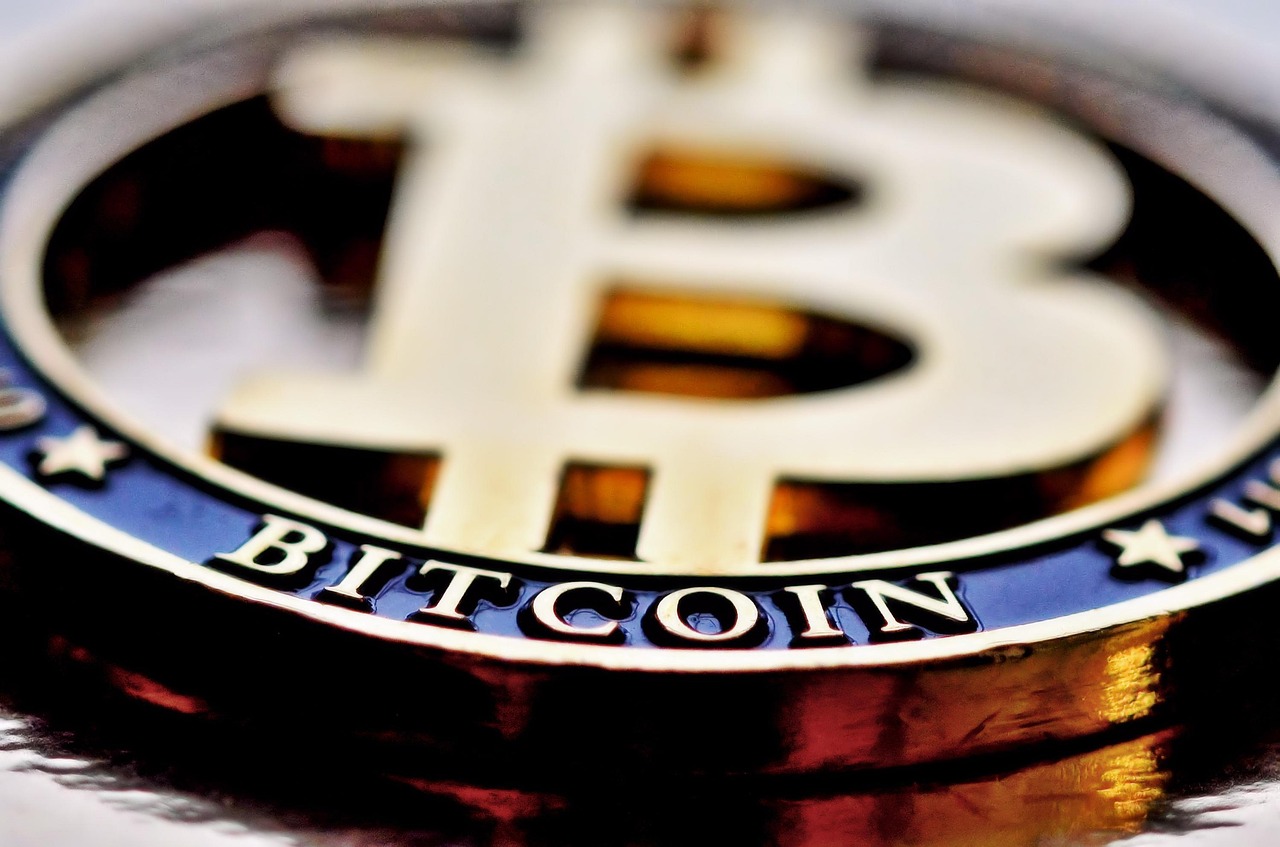
- Example: Bitcoin (BTC) is the most well-known cryptocurrency, designed as a peer-to-peer electronic cash system. Ethereum (ETH) expands on this by offering a platform for building decentralized applications.
Key Components of the Crypto Ecosystem
The crypto market isn’t just about coins; it’s a complex ecosystem composed of various interconnected parts:
- Cryptocurrencies (Tokens): The digital assets themselves, each with its own use case, technology, and market dynamics.
- Exchanges: Platforms where cryptocurrencies are bought, sold, and traded (e.g., Coinbase, Binance, Kraken).
- Wallets: Software or hardware used to store and manage cryptocurrency holdings.
- Blockchain Technology: The underlying infrastructure that supports cryptocurrencies, enabling secure and transparent transactions.
- DeFi (Decentralized Finance): Financial applications built on blockchain technology, offering services like lending, borrowing, and trading without intermediaries.
- NFTs (Non-Fungible Tokens): Unique digital assets that represent ownership of items, such as artwork, collectibles, or in-game assets.
- Mining: The process of verifying transactions on a blockchain and adding new blocks to the chain, rewarded with cryptocurrency.
- Practical Tip: Research different types of wallets (hardware, software, exchange-hosted) to choose the best option for your security and convenience needs. A hardware wallet offers the best security.
Factors Influencing Cryptocurrency Prices
Supply and Demand
Like any market, cryptocurrency prices are heavily influenced by the forces of supply and demand.
- Limited Supply: Some cryptocurrencies, like Bitcoin, have a fixed supply, which can drive up prices if demand increases.
- Market Sentiment: Positive news and adoption can boost demand, while negative news and regulatory concerns can trigger sell-offs.
- Example: When Elon Musk announced Tesla would accept Bitcoin, the price of Bitcoin surged. When Tesla later reversed its decision, citing environmental concerns, the price declined.
Regulatory Environment
Government regulations and policies can have a significant impact on the crypto market.
- Favorable Regulations: Clear and supportive regulations can encourage adoption and attract institutional investment.
- Restrictive Regulations: Bans or strict regulations can limit the use of cryptocurrencies and dampen investor enthusiasm.
- Example: China’s crackdown on cryptocurrency mining and trading has often led to price drops. The U.S. SEC’s stance on crypto ETFs significantly affects market confidence.
Technological Developments
Advancements in blockchain technology and the emergence of new cryptocurrencies can affect the entire market.
- New Innovations: Projects with innovative technology or real-world use cases can attract significant investment.
- Scalability Solutions: Improvements in blockchain scalability (e.g., Layer-2 solutions) can increase transaction speeds and lower fees, making cryptocurrencies more practical for everyday use.
- Example: The Ethereum 2.0 upgrade, designed to improve scalability and reduce energy consumption, has been a major factor driving Ethereum’s price.
Macroeconomic Factors
Broader economic trends, such as inflation, interest rates, and geopolitical events, can also influence cryptocurrency prices.
- Inflation Hedge: Some investors see cryptocurrencies as a hedge against inflation, as their limited supply can preserve value.
- Risk-On Asset: Cryptocurrencies are often viewed as risk-on assets, meaning that they tend to perform well during periods of economic growth and low interest rates. During times of economic uncertainty or high inflation, they might decrease in value.
- Practical Tip: Stay informed about global economic trends and how they may affect the cryptocurrency market. Track macroeconomic indicators like inflation rates, interest rate decisions, and GDP growth.
Navigating Crypto Exchanges
Types of Crypto Exchanges
Choosing the right exchange is crucial for buying, selling, and trading cryptocurrencies.
- Centralized Exchanges (CEXs): Operated by a company, offer a user-friendly interface and a wide range of trading pairs (e.g., Coinbase, Binance, Kraken). They act as intermediaries between buyers and sellers.
- Decentralized Exchanges (DEXs): Operate on a blockchain, allowing users to trade directly with each other without an intermediary (e.g., Uniswap, PancakeSwap). Offer greater privacy but can be more complex to use.
Key Features to Consider
When selecting a crypto exchange, consider these factors:
- Security: Look for exchanges with robust security measures, such as two-factor authentication and cold storage of funds.
- Fees: Compare trading fees, deposit fees, and withdrawal fees across different exchanges.
- Liquidity: High liquidity ensures that you can easily buy and sell cryptocurrencies without significant price slippage.
- Supported Cryptocurrencies: Ensure the exchange supports the cryptocurrencies you want to trade.
- User Interface: Choose an exchange with an intuitive and user-friendly interface.
- Customer Support: Reliable customer support is essential in case you encounter any issues.
- Practical Example: Binance offers a wide selection of cryptocurrencies and advanced trading features, but might not be suitable for beginners. Coinbase is beginner-friendly but has fewer altcoins available. Kraken is known for its security and regulatory compliance.
Security Best Practices
Protecting your cryptocurrency holdings is paramount.
- Two-Factor Authentication (2FA): Enable 2FA on your exchange accounts to add an extra layer of security.
- Strong Passwords: Use strong, unique passwords for each of your exchange accounts.
- Cold Storage: Store your cryptocurrency in a hardware wallet (cold storage) to protect it from online threats.
- Avoid Phishing: Be wary of phishing emails and websites that attempt to steal your login credentials.
- Diversify Exchanges: Do not keep all your crypto on a single exchange. Distribute your holdings across multiple exchanges for safety.
Exploring DeFi and NFTs
Decentralized Finance (DeFi)
DeFi aims to recreate traditional financial services on a blockchain, offering greater transparency and accessibility.
- Lending and Borrowing: DeFi platforms allow users to lend and borrow cryptocurrencies without intermediaries.
- Decentralized Exchanges (DEXs): Enable peer-to-peer trading of cryptocurrencies.
- Yield Farming: Earning rewards by providing liquidity to DeFi protocols.
- Staking: Locking up cryptocurrencies to support a blockchain network and earn rewards.
- Example: Aave allows users to lend and borrow a variety of cryptocurrencies, earning interest on their deposits. Uniswap is a popular DEX that facilitates the trading of ERC-20 tokens.
Non-Fungible Tokens (NFTs)
NFTs represent ownership of unique digital assets and are transforming various industries.
- Digital Art: Artists can sell their artwork as NFTs, providing verifiable ownership and scarcity.
- Collectibles: NFTs are used to represent digital collectibles, such as trading cards and virtual items.
- Gaming: In-game items and assets can be tokenized as NFTs, allowing players to own and trade them.
- Real Estate: NFTs can represent ownership of real-world properties.
- Example: CryptoPunks are a collection of 10,000 unique digital characters that have become highly sought-after NFTs. Bored Ape Yacht Club is another popular NFT collection featuring ape avatars.
Risks and Considerations
While DeFi and NFTs offer exciting opportunities, they also come with risks:
- Smart Contract Risks: DeFi protocols are vulnerable to bugs and exploits in their smart contracts.
- Volatility: The value of DeFi tokens and NFTs can be highly volatile.
- Regulation: The regulatory landscape for DeFi and NFTs is still evolving, creating uncertainty.
- Illiquidity: Some NFTs can be difficult to sell due to low liquidity.
- Practical Tip: Thoroughly research DeFi protocols and NFT projects before investing. Understand the underlying technology, the team behind the project, and the potential risks involved.
Conclusion
The cryptocurrency market is a dynamic and rapidly evolving space that presents both tremendous opportunities and inherent risks. By understanding the fundamentals, staying informed about market trends, and exercising caution, you can navigate this complex landscape and potentially benefit from the growth of digital assets. Remember to prioritize security, diversify your investments, and continuously educate yourself to make informed decisions. The future of finance is being shaped by blockchain technology, and staying ahead of the curve is essential for anyone looking to participate in this exciting revolution.
Read our previous article: Big Datas Footprint: Carbon Costs And Sustainable Solutions
Visit Our Main Page https://thesportsocean.com/