The cryptocurrency market, once a niche corner of the financial world, has exploded into a global phenomenon. From Bitcoin’s groundbreaking beginnings to the proliferation of altcoins, NFTs, and decentralized finance (DeFi) protocols, the landscape is constantly evolving. Navigating this complex market requires understanding its fundamental drivers, inherent risks, and potential rewards. This comprehensive guide will provide you with a detailed overview of the crypto market, empowering you to make informed decisions.
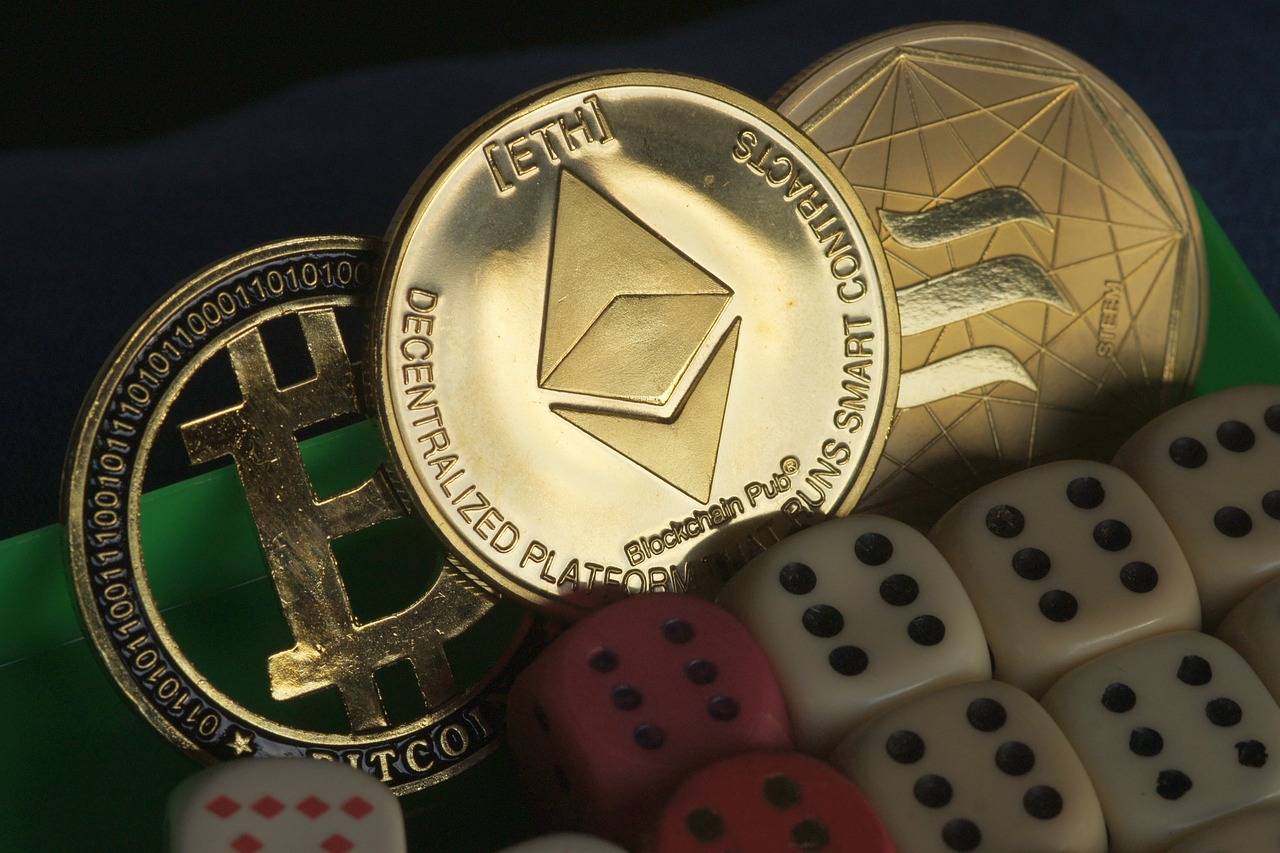
Understanding the Cryptocurrency Market
What is Cryptocurrency?
Cryptocurrency is a digital or virtual currency that utilizes cryptography for security. It’s decentralized, meaning it isn’t controlled by a single entity like a central bank. Cryptocurrencies operate on blockchain technology, a distributed ledger that records transactions across a network of computers.
- Decentralization: Offers freedom from government control and traditional financial institutions.
- Transparency: Blockchain technology provides a public and auditable record of transactions.
- Security: Cryptography ensures secure and tamper-proof transactions.
- Example: Bitcoin (BTC), the first and most well-known cryptocurrency, exemplifies these principles. Its decentralized nature and secure blockchain have paved the way for the development of thousands of other cryptocurrencies.
Key Market Participants
The crypto market involves various participants, each playing a crucial role:
- Developers: Create and maintain the underlying blockchain technology and applications.
- Miners/Validators: Secure the network by verifying transactions (Proof-of-Work or Proof-of-Stake mechanisms).
- Traders: Buy and sell cryptocurrencies on exchanges to profit from price fluctuations.
- Investors: Hold cryptocurrencies for long-term investment purposes.
- Exchanges: Platforms where users can buy, sell, and trade cryptocurrencies (e.g., Coinbase, Binance, Kraken).
- Custodians: Securely store cryptocurrencies on behalf of users (e.g., hardware wallets, institutional custodians).
Market Capitalization and Trading Volume
Market capitalization (market cap) is a crucial metric used to assess the overall size of a cryptocurrency. It is calculated by multiplying the current price of a cryptocurrency by its circulating supply. Trading volume reflects the total value of cryptocurrencies traded within a specific period, typically 24 hours.
- A high market cap generally indicates a more established and stable cryptocurrency.
- High trading volume suggests strong liquidity, making it easier to buy and sell without significantly affecting the price.
- Example: As of late 2023, Bitcoin’s market cap consistently remains above hundreds of billions of dollars, signifying its dominance in the crypto market. High trading volumes on major exchanges further reinforce its liquidity.
Factors Influencing Crypto Prices
Supply and Demand
Like any market, supply and demand significantly impact cryptocurrency prices. Scarcity, such as Bitcoin’s limited supply of 21 million coins, can drive up prices when demand increases.
- Increased demand: Positive news, adoption by major companies, or regulatory clarity can increase demand.
- Decreased supply: Coin burns (permanently removing coins from circulation) or halving events (reducing the reward for miners) can decrease supply.
News and Sentiment
News headlines, social media trends, and overall market sentiment play a substantial role in price movements. Positive news can lead to a price surge, while negative news can trigger a sell-off.
- Example: Elon Musk’s tweets about Dogecoin have caused significant price fluctuations, demonstrating the power of social media sentiment.
- Regulatory changes: Announcements about new regulations can have a major impact on specific cryptocurrencies.
Technological Advancements
Breakthroughs in blockchain technology, the development of new applications (DeFi, NFTs), and improvements in network scalability can all positively influence cryptocurrency prices.
- Example: The rise of Ethereum’s smart contract functionality led to the explosion of DeFi and NFT projects, significantly impacting the price of ETH.
- Scalability solutions: Improvements in transaction speeds and reduced fees can increase the usability and value of a cryptocurrency.
Macroeconomic Factors
Broader economic trends, such as inflation, interest rates, and geopolitical events, can also affect the crypto market. Cryptocurrencies are sometimes viewed as a hedge against inflation, leading to increased demand during periods of economic uncertainty.
- Inflation: As inflation rises, investors may seek alternative assets like cryptocurrencies to preserve their purchasing power.
- Interest Rates: Rising interest rates can lead investors to shift funds from riskier assets like crypto to more traditional investments.
Investing in Cryptocurrency: Risks and Rewards
Potential Rewards
Investing in cryptocurrency offers the potential for significant returns. Early adopters of Bitcoin and Ethereum, for example, have experienced substantial gains.
- High potential returns: The crypto market can offer opportunities for significant profits, especially for early investors in promising projects.
- Diversification: Cryptocurrencies can provide diversification benefits within a broader investment portfolio.
- Innovation: Investing in crypto allows you to support innovative technologies and contribute to the growth of the decentralized economy.
Inherent Risks
The cryptocurrency market is inherently volatile and carries significant risks.
- Volatility: Crypto prices can fluctuate dramatically and unpredictably.
- Security risks: Cryptocurrencies are susceptible to hacking and theft. Always use secure wallets and follow best security practices.
- Regulatory uncertainty: The regulatory landscape for cryptocurrencies is still evolving, creating uncertainty for investors.
- Scams and fraud: The crypto market is rife with scams and fraudulent projects. Do thorough research before investing in any cryptocurrency.
Risk Management Strategies
Managing risk is crucial when investing in cryptocurrency.
- Diversification: Don’t put all your eggs in one basket. Spread your investments across multiple cryptocurrencies.
- Dollar-Cost Averaging (DCA): Invest a fixed amount of money at regular intervals to mitigate the impact of price volatility.
- Research: Conduct thorough research on any cryptocurrency before investing. Understand the underlying technology, team, and market potential.
- Secure storage: Use secure wallets (hardware or software) to protect your cryptocurrencies.
- Stay informed: Keep up-to-date on market news, regulatory changes, and technological developments.
Key Cryptocurrency Concepts
Blockchain Technology
Blockchain is a distributed, immutable ledger that records transactions across a network of computers. It is the underlying technology that powers most cryptocurrencies.
- Immutability: Once a transaction is recorded on the blockchain, it cannot be altered or deleted.
- Transparency: All transactions are publicly visible on the blockchain.
- Decentralization: No single entity controls the blockchain, making it resistant to censorship and manipulation.
Wallets
Cryptocurrency wallets are used to store, send, and receive cryptocurrencies.
- Hardware wallets: Physical devices that store private keys offline, providing the highest level of security (e.g., Ledger, Trezor).
- Software wallets: Applications that can be installed on computers or mobile devices (e.g., Exodus, Trust Wallet).
- Exchange wallets: Wallets provided by cryptocurrency exchanges. While convenient, they are generally considered less secure than hardware or software wallets.
Mining and Staking
Mining and staking are mechanisms used to secure and validate transactions on blockchain networks.
- Mining (Proof-of-Work): Miners solve complex computational problems to verify transactions and add new blocks to the blockchain. They are rewarded with newly minted cryptocurrency.
- Staking (Proof-of-Stake): Holders of cryptocurrency stake their coins to validate transactions. They are rewarded with additional coins.
Decentralized Finance (DeFi)
DeFi refers to financial applications built on blockchain technology, aiming to provide open, permissionless, and transparent financial services.
- Lending and borrowing: DeFi platforms allow users to lend and borrow cryptocurrencies without intermediaries.
- Decentralized exchanges (DEXs): Platforms where users can trade cryptocurrencies directly with each other, without the need for a central exchange.
- Yield farming: Earning rewards by providing liquidity to DeFi protocols.
Non-Fungible Tokens (NFTs)
NFTs are unique digital assets that represent ownership of a specific item or piece of content.
- Digital art: NFTs can represent ownership of digital artwork, music, videos, and other digital creations.
- Collectibles: NFTs can be used to represent collectibles, such as trading cards or virtual land.
- Gaming: NFTs can be used to represent in-game items, such as weapons or characters.
Navigating the Crypto Market: Tips and Strategies
Due Diligence is Key
Thorough research is essential before investing in any cryptocurrency.
- Read the whitepaper: Understand the project’s goals, technology, and roadmap.
- Research the team: Evaluate the team’s experience and expertise.
- Analyze the community: Assess the community’s engagement and support for the project.
- Check the market capitalization and trading volume: Evaluate the cryptocurrency’s size and liquidity.
Start Small and Diversify
Begin with a small investment and gradually increase your exposure as you become more comfortable with the market. Diversify your portfolio across multiple cryptocurrencies to mitigate risk.
- Don’t invest more than you can afford to lose. The crypto market is highly volatile, and there is always a risk of losing your entire investment.
- Rebalance your portfolio regularly. As your investments grow, rebalance your portfolio to maintain your desired asset allocation.
Use Secure Wallets
Protect your cryptocurrencies by using secure wallets.
- Consider a hardware wallet for long-term storage. Hardware wallets offer the highest level of security for your cryptocurrencies.
- Enable two-factor authentication (2FA) on all your accounts. 2FA adds an extra layer of security to your accounts, making it more difficult for hackers to gain access.
- Be wary of phishing scams. Never click on suspicious links or share your private keys with anyone.
Stay Informed and Adapt
The cryptocurrency market is constantly evolving. Stay informed about the latest news, trends, and technological developments.
- Follow reputable crypto news sources. Stay up-to-date on market developments.
- Join online communities. Connect with other crypto enthusiasts and learn from their experiences.
- Be prepared to adapt your investment strategy. As the market changes, you may need to adjust your investment strategy to remain successful.
Conclusion
The cryptocurrency market offers both exciting opportunities and significant risks. By understanding the fundamentals of the market, key concepts, and risk management strategies, you can navigate this dynamic landscape with greater confidence. Remember to conduct thorough research, diversify your investments, use secure wallets, and stay informed about the latest developments. With a cautious and informed approach, you can potentially reap the rewards of this innovative and evolving market.
Read our previous article: Open Source: The Future Of Software Belongs To Communities
Visit Our Main Page https://thesportsocean.com/