The cryptocurrency market has captivated investors worldwide, offering both immense opportunities and significant risks. From Bitcoin’s groundbreaking inception to the rise of decentralized finance (DeFi) and Non-Fungible Tokens (NFTs), the crypto landscape is constantly evolving. This guide provides a comprehensive overview of the crypto market, equipping you with the knowledge to navigate its complexities and make informed decisions.
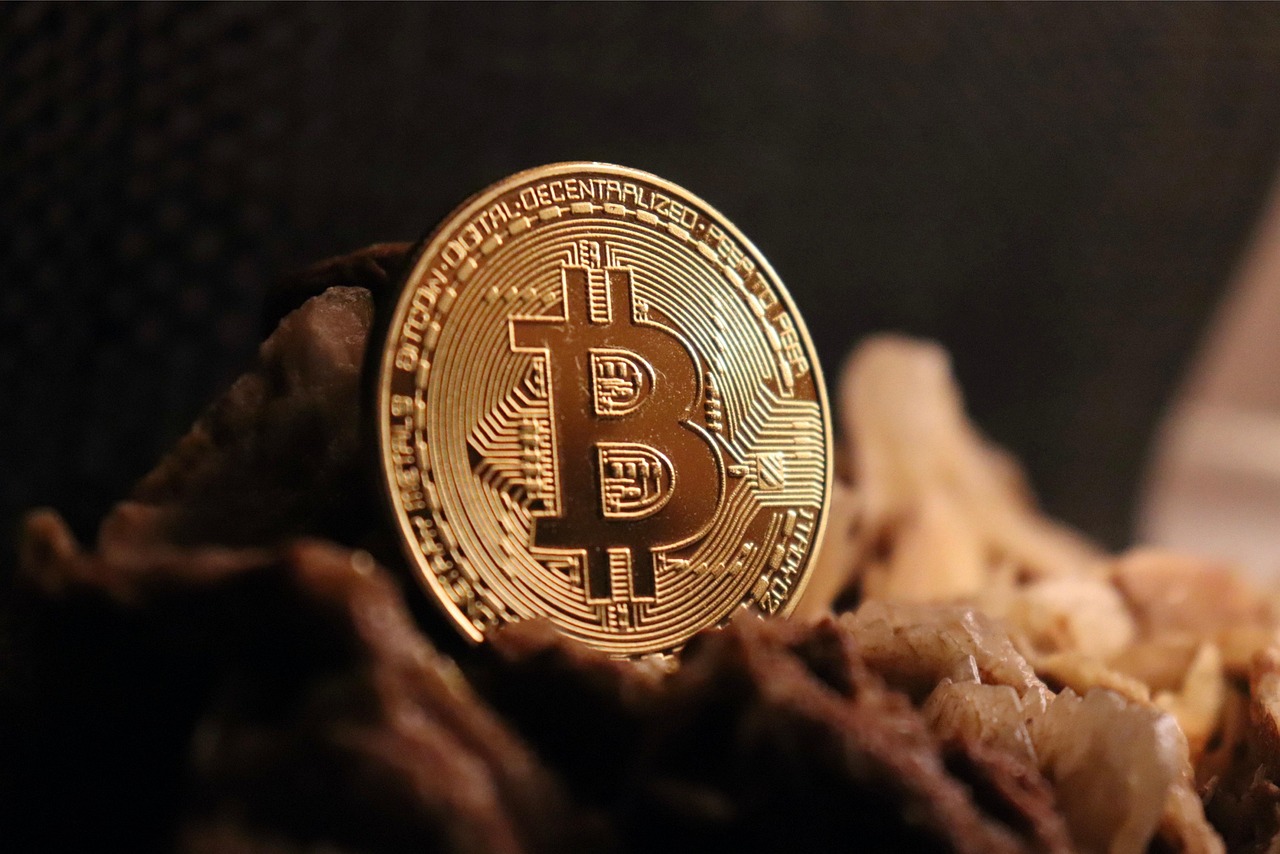
Understanding the Crypto Market Landscape
The crypto market isn’t a monolithic entity but rather a diverse ecosystem comprising various assets, technologies, and participants. Understanding its key components is crucial for successful navigation.
Key Participants
- Miners/Validators: These individuals or organizations use powerful computers to solve complex cryptographic puzzles, verifying transactions and adding new blocks to the blockchain. They are rewarded with newly minted cryptocurrency for their efforts.
Example: Bitcoin miners compete to solve hash puzzles, earning Bitcoin as a reward. Ethereum’s transition to Proof-of-Stake replaces miners with validators who stake their ETH to secure the network.
- Exchanges: These platforms facilitate the buying, selling, and trading of cryptocurrencies. They act as intermediaries between buyers and sellers.
Example: Coinbase and Binance are popular centralized exchanges. Uniswap and SushiSwap are decentralized exchanges (DEXs) that operate without intermediaries.
- Developers: These are the builders of the crypto world, creating new cryptocurrencies, decentralized applications (dApps), and blockchain infrastructure.
Example: Developers building DeFi protocols on Ethereum or creating new blockchain solutions for supply chain management.
- Investors/Traders: These individuals and institutions buy, sell, and hold cryptocurrencies with the goal of generating profits.
Example: Individual investors allocating a portion of their portfolio to Bitcoin or Ethereum, or hedge funds actively trading altcoins.
Types of Cryptocurrencies
The crypto market features a vast array of cryptocurrencies, each with its own unique characteristics and use cases.
- Bitcoin (BTC): The original cryptocurrency, designed as a decentralized Digital currency. It is often referred to as “digital gold.”
Example: Bitcoin’s limited supply (21 million coins) makes it an attractive store of value for some investors.
- Altcoins: All cryptocurrencies other than Bitcoin. These range from well-established projects like Ethereum (ETH) to newer, more speculative coins.
Example: Ethereum (ETH) is the second-largest cryptocurrency and a platform for building decentralized applications (dApps).
- Stablecoins: Cryptocurrencies designed to maintain a stable value, typically pegged to a fiat currency like the US dollar.
Example: Tether (USDT) and USD Coin (USDC) are popular stablecoins pegged to the US dollar.
- Tokens: Represent a specific asset or utility within a blockchain ecosystem.
Example: Governance tokens grant holders voting rights within a decentralized autonomous organization (DAO). Utility tokens provide access to specific services or products within a platform.
Analyzing Market Trends and Factors
The cryptocurrency market is notoriously volatile, influenced by a complex interplay of factors. Understanding these factors is crucial for making informed investment decisions.
Supply and Demand
- Basic economics dictate that price is determined by the interaction of supply and demand.
- Example: Bitcoin’s halving events, which reduce the rate at which new Bitcoin is created, can decrease supply and potentially increase demand, leading to price appreciation. Increased adoption of a specific cryptocurrency can also drive up demand and price.
Regulatory Developments
- Government regulations and policies can significantly impact the crypto market.
- Example: A country banning cryptocurrency trading could cause a sharp decline in prices, while a country adopting a favorable regulatory framework could boost confidence and attract investment. The SEC’s approach to crypto regulation in the US has been a significant influence.
Technological Advancements
- New technological developments, such as improvements in blockchain scalability or the emergence of new DeFi protocols, can drive market trends.
- Example: The rise of DeFi protocols on Ethereum led to a surge in demand for ETH, as users needed ETH to interact with these protocols.
Market Sentiment and News
- Public perception and news events can significantly influence investor sentiment and market prices.
- Example: Positive news about institutional adoption of Bitcoin can boost prices, while negative news about security breaches can trigger sell-offs. Pay attention to crypto news aggregators like CoinDesk and CoinMarketCap.
Investing Strategies in Crypto
Choosing the right investment strategy is essential for navigating the crypto market and achieving your financial goals.
Long-Term Investing (HODLing)
- Holding cryptocurrencies for an extended period, regardless of short-term price fluctuations.
- Example: Buying Bitcoin or Ethereum with the intention of holding them for several years, believing in their long-term potential. This strategy minimizes the impact of short-term volatility.
Trading (Short-Term)
- Actively buying and selling cryptocurrencies to profit from short-term price movements.
Example: Day trading, swing trading, and arbitrage are all examples of short-term trading strategies. This approach requires technical analysis skills and a high tolerance for risk.
- Technical Analysis: This involves studying price charts and technical indicators to identify trading opportunities.
- Fundamental Analysis: Evaluating the underlying value of a cryptocurrency based on factors such as its Technology, team, and adoption rate.
Diversification
- Spreading your investments across multiple cryptocurrencies to reduce risk.
Example: Investing in Bitcoin, Ethereum, and a selection of altcoins with different use cases. This approach minimizes the impact of any single cryptocurrency performing poorly.
Managing Risks in the Crypto Market
The cryptocurrency market is inherently risky, and it’s crucial to understand and manage these risks effectively.
Volatility Risk
- Cryptocurrencies are known for their price volatility, meaning that prices can fluctuate significantly in short periods.
Mitigation: Start with a small allocation of your portfolio to crypto. Consider dollar-cost averaging (DCA) to gradually build your position over time. Use stop-loss orders to limit potential losses.
- Example: DCA involves investing a fixed amount of money at regular intervals, regardless of the price. This helps to smooth out the impact of volatility.
Security Risk
- Cryptocurrencies are vulnerable to hacking and theft.
Mitigation: Use strong passwords, enable two-factor authentication (2FA), and store your cryptocurrencies in a Hardware wallet (cold storage) for long-term holdings.
- Example: Hardware wallets like Ledger and Trezor store your private keys offline, making them less susceptible to hacking.
Regulatory Risk
- Changes in regulations can impact the value and usability of cryptocurrencies.
Mitigation: Stay informed about regulatory developments in your jurisdiction. Diversify your investments across multiple cryptocurrencies.
Scam Risk
- The crypto market is rife with scams and fraudulent projects.
Mitigation: Do thorough research before investing in any cryptocurrency. Be wary of projects promising guaranteed returns or unrealistic gains. Never share your private keys or seed phrases with anyone.
Conclusion
The cryptocurrency market presents a unique blend of opportunities and challenges. By understanding the market landscape, analyzing trends, adopting appropriate investment strategies, and managing risks effectively, you can navigate this dynamic environment and potentially achieve your financial goals. Remember to conduct thorough research, stay informed about market developments, and consult with a financial advisor before making any investment decisions. The future of finance is being shaped by blockchain technology, and understanding the crypto market is becoming increasingly important.
Read our previous article: Beyond The Game: ARs Untapped Potential
Visit Our Main Page https://thesportsocean.com/