The world of cryptocurrency never sleeps. From dramatic price swings and regulatory updates to innovative technological advancements, staying on top of the latest crypto news is crucial for investors, enthusiasts, and anyone interested in the future of finance. This dynamic landscape demands constant vigilance and reliable information. Let’s dive into the key areas shaping the crypto world today.
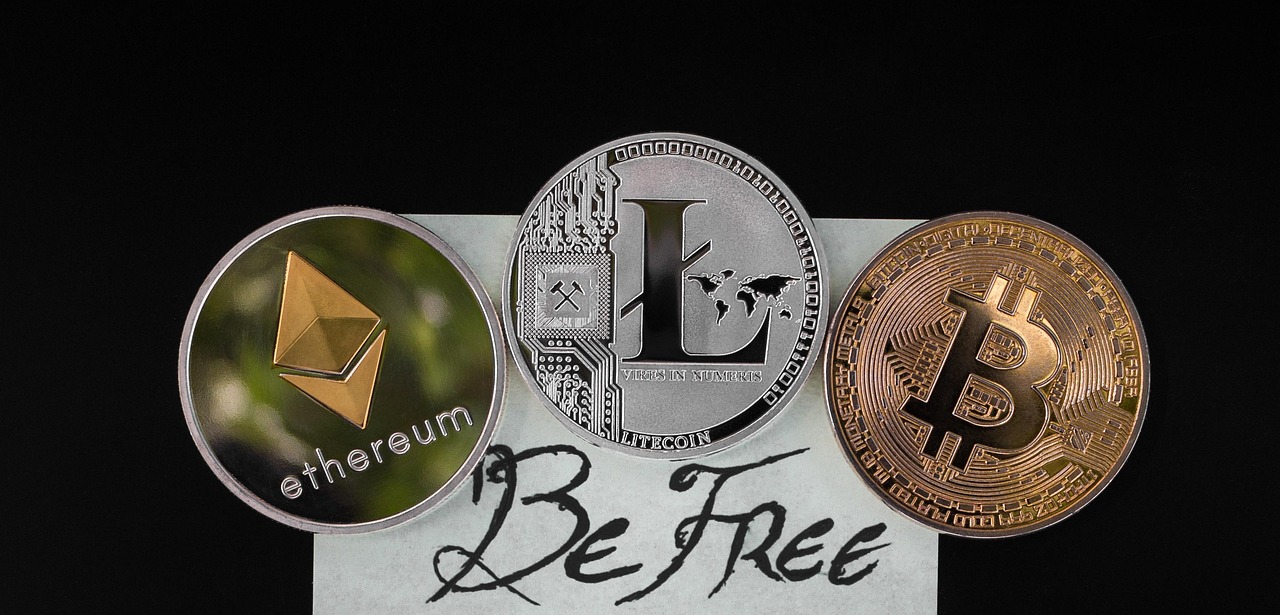
Market Trends and Analysis
Understanding the current state of the cryptocurrency market is fundamental for making informed decisions. This section breaks down significant trends and offers analytical insights.
Bitcoin’s Dominance and Altcoin Performance
Bitcoin, the original cryptocurrency, continues to exert considerable influence over the entire market.
- Bitcoin’s Dominance: Despite the rise of altcoins, Bitcoin’s market capitalization often dictates overall market sentiment. Keep an eye on Bitcoin’s price movements as a leading indicator. Currently, Bitcoin’s dominance hovers around 50%, highlighting its continued significance.
- Altcoin Season Potential: The performance of altcoins (alternative cryptocurrencies) often cycles. Periods known as “altcoin seasons” can offer significant gains for investors who diversify their portfolios. Track altcoin market capitalization relative to Bitcoin’s to identify potential altcoin season opportunities. For example, strong performance in Ethereum, Solana, and Cardano can signal a broader altcoin rally.
- Market Sentiment Analysis: Tools like the Fear and Greed Index provide insights into investor emotions, helping to gauge potential market tops and bottoms. Extreme fear can often signal a buying opportunity, while extreme greed may suggest an impending correction.
DeFi and NFT Market Updates
Decentralized Finance (DeFi) and Non-Fungible Tokens (NFTs) are two prominent sectors within the crypto ecosystem.
- DeFi Protocol Developments: Keep abreast of updates within established DeFi protocols like Aave, Compound, and Uniswap. Key metrics include Total Value Locked (TVL), transaction volumes, and the introduction of new features or governance proposals. For example, the implementation of new collateral types on Aave or the launch of a new version of Uniswap can have a significant impact on the DeFi landscape.
- NFT Trends and Innovations: The NFT market has evolved beyond digital art, encompassing areas like gaming, music, and virtual real estate. Monitor trending NFT collections, trading volumes on platforms like OpenSea, and emerging use cases for NFTs. Recent trends include fractionalized NFTs and the integration of NFTs into metaverse environments.
- Regulatory Scrutiny of DeFi and NFTs: Both DeFi and NFTs are facing increasing regulatory scrutiny, particularly regarding securities laws and consumer protection. Staying informed about evolving regulations is essential for navigating these markets.
Regulatory Landscape and Policy Changes
Government regulations play a crucial role in shaping the future of cryptocurrency.
Global Regulatory Developments
Different countries are taking varying approaches to regulating cryptocurrencies.
- US Regulatory Framework: The United States is actively developing a comprehensive regulatory framework for cryptocurrencies. The SEC (Securities and Exchange Commission) and CFTC (Commodity Futures Trading Commission) are both asserting jurisdiction over different aspects of the market. Keep an eye on proposed legislation and enforcement actions.
- European Union’s MiCA Regulation: The Markets in Crypto-Assets (MiCA) regulation is a landmark piece of legislation that aims to create a unified regulatory framework for crypto assets across the EU. MiCA covers areas like stablecoins, crypto-asset service providers, and market abuse.
- Asian Regulatory Approaches: Countries like China, Singapore, and Japan have adopted diverse approaches to cryptocurrency regulation. China has imposed strict bans on crypto trading and mining, while Singapore has embraced a more progressive regulatory approach. Japan has established a relatively clear regulatory framework for crypto exchanges.
Impact of Regulations on the Crypto Market
Regulatory changes can significantly impact crypto prices and market sentiment.
- Increased Compliance Costs: Stricter regulations often lead to increased compliance costs for crypto businesses, potentially impacting their profitability and ability to innovate.
- Market Access Restrictions: Regulatory restrictions can limit access to crypto markets for certain investors or businesses. For example, restrictions on crypto trading in certain countries can reduce overall market liquidity.
- Greater Institutional Adoption: Clear and consistent regulations can attract institutional investors to the crypto market, providing greater stability and liquidity.
Technological Advancements and Innovations
The underlying technology of cryptocurrencies is constantly evolving.
Blockchain Technology Updates
New developments in blockchain technology are enhancing scalability, security, and functionality.
- Layer-2 Scaling Solutions: Layer-2 solutions like the Lightning Network for Bitcoin and Optimism and Arbitrum for Ethereum are designed to improve transaction speeds and reduce transaction fees. These solutions process transactions off-chain, reducing congestion on the main blockchain.
- Proof-of-Stake (PoS) Consensus Mechanisms: PoS is an alternative consensus mechanism to Proof-of-Work (PoW), offering greater energy efficiency and scalability. Ethereum’s transition to PoS (The Merge) is a prime example of this trend.
- Interoperability Solutions: Blockchain interoperability is becoming increasingly important, allowing different blockchains to communicate and exchange data. Projects like Polkadot and Cosmos are focused on building interoperable blockchain networks.
Emerging Crypto Projects and Use Cases
Innovative crypto projects are exploring new applications of blockchain technology.
- Decentralized Autonomous Organizations (DAOs): DAOs are community-led organizations that use smart contracts to automate decision-making processes. They are being used in various sectors, including finance, governance, and art.
- Web3 Applications: Web3 is a decentralized vision of the internet built on blockchain technology. It encompasses various applications, including decentralized social media platforms, decentralized storage solutions, and metaverse environments.
- Real-World Asset Tokenization: Tokenizing real-world assets like real estate, commodities, and art can improve liquidity and accessibility. This involves representing ownership of these assets as digital tokens on a blockchain.
Security Threats and Risk Management
Protecting your cryptocurrency is paramount.
Common Security Vulnerabilities
Understanding common security threats is essential for safeguarding your crypto holdings.
- Phishing Attacks: Phishing attacks involve tricking users into revealing their private keys or login credentials. Always be cautious of suspicious emails or websites.
- Exchange Hacks: Crypto exchanges are often targeted by hackers. Choose reputable exchanges with robust security measures and consider storing your crypto in a cold wallet.
- Smart Contract Vulnerabilities: Smart contracts can contain vulnerabilities that hackers can exploit. Before interacting with a DeFi protocol, research the project and its security audits.
Best Practices for Crypto Security
Implement these best practices to minimize your risk.
- Use Strong Passwords and Two-Factor Authentication (2FA): Protect your accounts with strong, unique passwords and enable 2FA wherever possible.
- Store Crypto in a Cold Wallet: Cold wallets (hardware wallets) store your private keys offline, providing a high level of security.
- Be Wary of Scams and Ponzi Schemes: Be skeptical of promises of guaranteed returns or unrealistic profits. Research any crypto project thoroughly before investing.
- Regularly Update Your Software: Keep your operating system, crypto wallets, and other software up to date to patch security vulnerabilities.
Conclusion
Staying informed about crypto news is a continuous process, requiring diligence and critical thinking. By understanding market trends, regulatory developments, technological advancements, and security threats, you can navigate the crypto landscape with greater confidence and make more informed decisions. Remember to conduct thorough research before investing in any cryptocurrency and prioritize security to protect your assets. The crypto world is ever-changing, so staying updated is key to success.
Read our previous article: Beyond The Cubicle: Building Resilient Digital Workspaces
Visit Our Main Page https://thesportsocean.com/