Crypto trading has exploded in popularity, offering opportunities for significant profits but also carrying substantial risk. Navigating this dynamic landscape requires understanding the fundamentals, developing a sound strategy, and continuously adapting to market changes. Whether you’re a seasoned investor or just starting, this comprehensive guide will provide valuable insights into the world of cryptocurrency trading.
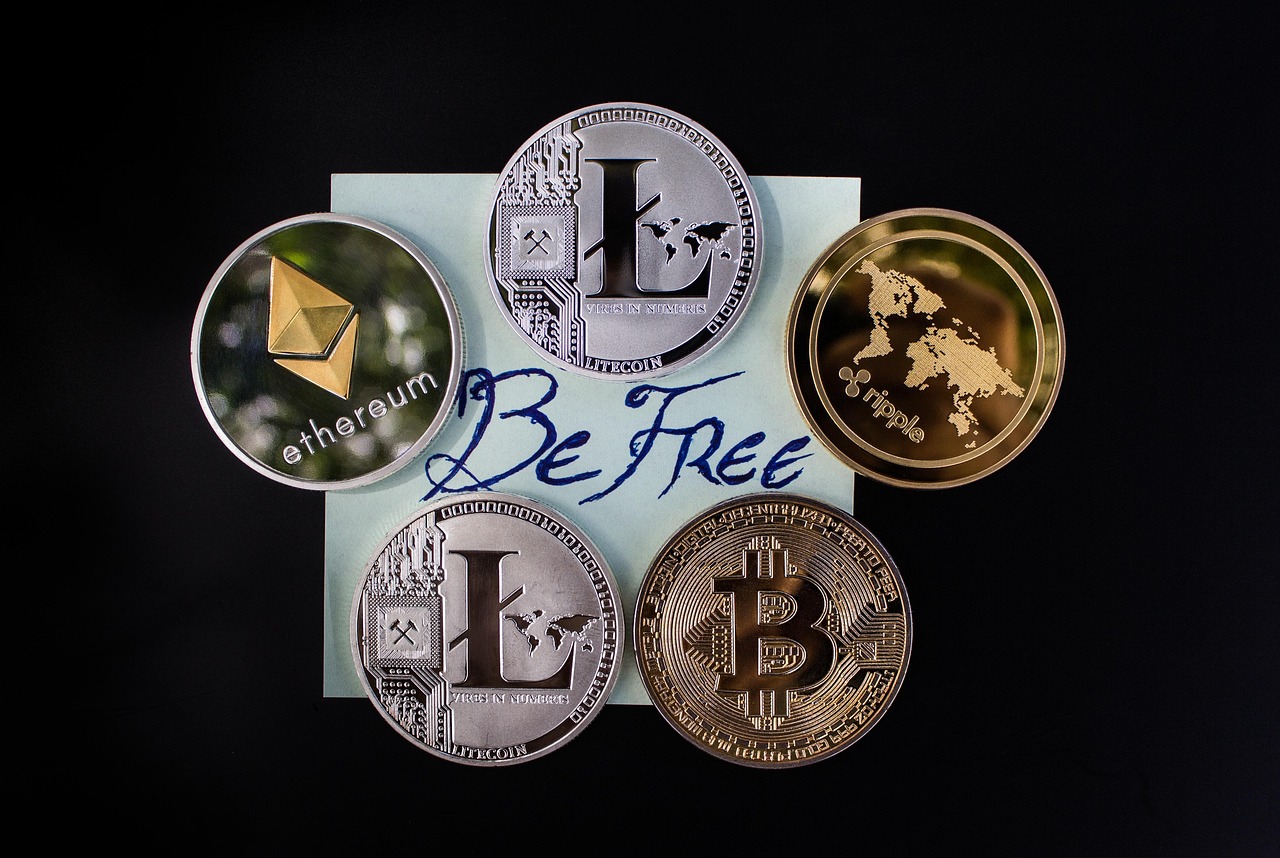
Understanding Cryptocurrency Trading
What is Cryptocurrency Trading?
Cryptocurrency trading involves buying and selling Digital currencies with the aim of profiting from price fluctuations. Unlike traditional investing, which often focuses on long-term growth, crypto trading can be short-term, leveraging volatility to generate returns. Traders use cryptocurrency exchanges to buy and sell these digital assets. The process is similar to trading stocks or forex, but with its own unique set of characteristics and risks.
- Example: Buying Bitcoin when you believe its price will increase and selling it at a higher price point is a simple example of crypto trading.
- Key Difference: Cryptocurrencies operate 24/7, unlike traditional markets which have set trading hours. This means opportunities (and risks) are always present.
Factors Influencing Crypto Prices
Several factors can influence the price of cryptocurrencies, including:
- Supply and Demand: Basic economic principles apply. Limited supply and high demand typically drive prices up, while increased supply and decreased demand can lead to price drops.
- News and Events: Significant news events, such as regulatory announcements, technological advancements, or major corporate adoptions, can dramatically impact crypto prices.
- Market Sentiment: Public perception and overall sentiment towards a particular cryptocurrency or the crypto market in general can heavily influence trading activity.
- Technology and Development: Advancements in the underlying technology, upgrades to the blockchain, and the development of new use cases can positively affect a cryptocurrency’s value.
- Macroeconomic Factors: Broader economic trends like inflation, interest rates, and global economic crises can also impact crypto markets, sometimes as a “safe haven” asset and sometimes correlated with riskier assets.
Key Cryptocurrency Exchanges
Choosing the right cryptocurrency exchange is crucial for successful trading. Here are a few popular options:
- Binance: One of the largest exchanges globally, offering a wide variety of cryptocurrencies and trading features.
- Coinbase: User-friendly platform, popular among beginners, with a focus on security and compliance.
- Kraken: Known for its advanced trading features and competitive fees.
- Gemini: A regulated and secure exchange, suitable for both beginners and experienced traders.
- Actionable Takeaway: Research and choose an exchange that suits your needs, considering factors like security, fees, available cryptocurrencies, and user interface.
Essential Crypto Trading Strategies
Day Trading
Day trading involves buying and selling cryptocurrencies within the same day to profit from short-term price movements. This strategy requires significant time commitment, quick decision-making, and a strong understanding of technical analysis.
- Example: A day trader might buy Ethereum in the morning after observing a positive price trend and sell it in the afternoon when the price peaks.
- Risk: High risk due to market volatility and the need for constant monitoring.
Swing Trading
Swing trading aims to capture profits from price “swings” over a period of a few days or weeks. This strategy is less time-intensive than day trading but still requires a good understanding of market trends and technical indicators.
- Example: A swing trader might hold Cardano for a week, expecting its price to rise based on an upcoming announcement, and then sell it after the announcement generates positive price action.
- Benefit: Less stressful than day trading as it allows for more flexibility.
Scalping
Scalping involves making numerous small trades throughout the day to accumulate small profits. Scalpers typically hold positions for very short periods, often just minutes or even seconds.
- Example: A scalper might make dozens of Bitcoin trades in a single hour, profiting from tiny price fluctuations.
- Requirement: Requires high speed execution and low trading fees.
Arbitrage Trading
Arbitrage trading involves exploiting price differences of the same cryptocurrency on different exchanges. Traders buy the cryptocurrency on an exchange where it’s cheaper and simultaneously sell it on an exchange where it’s more expensive.
- Example: Buying Litecoin on Exchange A for $100 and selling it on Exchange B for $101, profiting $1 (minus transaction fees).
- Challenge: Requires quick execution and access to multiple exchanges.
- Actionable Takeaway: Experiment with different trading strategies to find one that aligns with your risk tolerance, time commitment, and investment goals.
Technical and Fundamental Analysis
Technical Analysis
Technical analysis involves studying historical price charts and trading volume to identify patterns and predict future price movements. It relies on various indicators and tools, such as:
- Moving Averages: Used to smooth out price data and identify trends.
- Relative Strength Index (RSI): Measures the magnitude of recent price changes to evaluate overbought or oversold conditions.
- Fibonacci Retracements: Used to identify potential support and resistance levels.
- Trading Volume: Indicates the strength of a price trend.
- Chart Patterns: Analyzing formations like head and shoulders, double tops, and triangles to anticipate potential price breakouts or reversals.
- Example: Using the RSI, a trader might see that Bitcoin is “overbought” and anticipate a price correction, leading them to sell some of their holdings.
Fundamental Analysis
Fundamental analysis involves evaluating the intrinsic value of a cryptocurrency based on factors such as:
- Technology: The underlying technology and innovation behind the cryptocurrency.
- Use Case: The real-world applications and potential of the cryptocurrency.
- Team: The experience and credibility of the development team.
- Market Cap: The total value of all the cryptocurrency in circulation.
- Tokenomics: The design and economic incentives of the cryptocurrency’s token.
- Adoption Rate: How widely the cryptocurrency is being adopted and used.
- Example: If a new blockchain project has a strong team, innovative technology, and a growing user base, fundamental analysis might suggest that its cryptocurrency has strong potential for long-term growth.
- Actionable Takeaway: Combine technical and fundamental analysis for a more comprehensive understanding of a cryptocurrency’s potential. Technical analysis can identify short-term trading opportunities, while fundamental analysis can inform long-term investment decisions.
Risk Management in Crypto Trading
Setting Stop-Loss Orders
A stop-loss order automatically sells your cryptocurrency when it reaches a specific price, limiting potential losses.
- Example: If you buy Ethereum at $2,000, you might set a stop-loss order at $1,900 to limit your loss to $100 per Ethereum.
Diversifying Your Portfolio
Diversifying your crypto portfolio across different cryptocurrencies and asset classes can reduce overall risk.
- Example: Instead of investing solely in Bitcoin, allocate your capital across Bitcoin, Ethereum, Litecoin, and a stablecoin.
Position Sizing
Position sizing involves determining the appropriate amount of capital to allocate to each trade based on your risk tolerance and account size.
- Example: A common rule is to risk no more than 1-2% of your total capital on any single trade.
Managing Emotions
Emotional trading can lead to poor decision-making. It’s important to stick to your trading plan and avoid making impulsive decisions based on fear or greed.
- Tip: Keep a trading journal to track your trades and identify patterns in your emotional responses.
Using Leverage Wisely
Leverage can amplify both profits and losses. Use leverage cautiously and understand the risks involved.
- Example: Using 2x leverage on a $1,000 investment means you’re trading with $2,000, but your losses will also be doubled.
- Actionable Takeaway: Implement strict risk management strategies to protect your capital and avoid significant losses.
Security Best Practices
Securing Your Wallet
Protect your cryptocurrency wallets with strong passwords and two-factor authentication (2FA).
- Tip: Use a password manager to generate and store strong passwords.
Using Hardware Wallets
Hardware wallets are physical devices that store your private keys offline, providing an extra layer of security.
- Popular Options: Ledger and Trezor are reputable hardware wallet brands.
Being Aware of Phishing Scams
Be cautious of phishing scams and avoid clicking on suspicious links or providing personal information to untrusted sources.
- Red Flags: Unsolicited emails, urgent requests, and promises of guaranteed returns.
Keeping Software Updated
Regularly update your cryptocurrency wallet and exchange software to patch security vulnerabilities.
- Benefit: Protects against known exploits.
Researching Smart Contracts
Before interacting with smart contracts, research them thoroughly to ensure they are secure and reputable.
- Tools: Use smart contract auditing tools to identify potential vulnerabilities.
- Actionable Takeaway:* Prioritize security to protect your cryptocurrency holdings from theft and fraud.
Conclusion
Cryptocurrency trading offers exciting opportunities but requires a disciplined approach. By understanding the fundamentals, implementing effective trading strategies, practicing sound risk management, and prioritizing security, you can increase your chances of success in this dynamic market. Remember to continuously learn and adapt as the crypto landscape evolves. With patience, perseverance, and a commitment to ongoing education, you can navigate the complexities of crypto trading and potentially achieve your financial goals.
Read our previous article: Techs Ethical Tightrope: Navigating Tomorrows Moral Code
Visit Our Main Page https://thesportsocean.com/