Navigating the dynamic and often volatile world of cryptocurrency can feel like charting a course through uncharted waters. With new projects emerging daily and market sentiments shifting rapidly, understanding the crypto market is crucial for anyone looking to invest, trade, or simply stay informed. This comprehensive guide will explore the key aspects of the crypto market, providing you with the knowledge needed to make informed decisions.
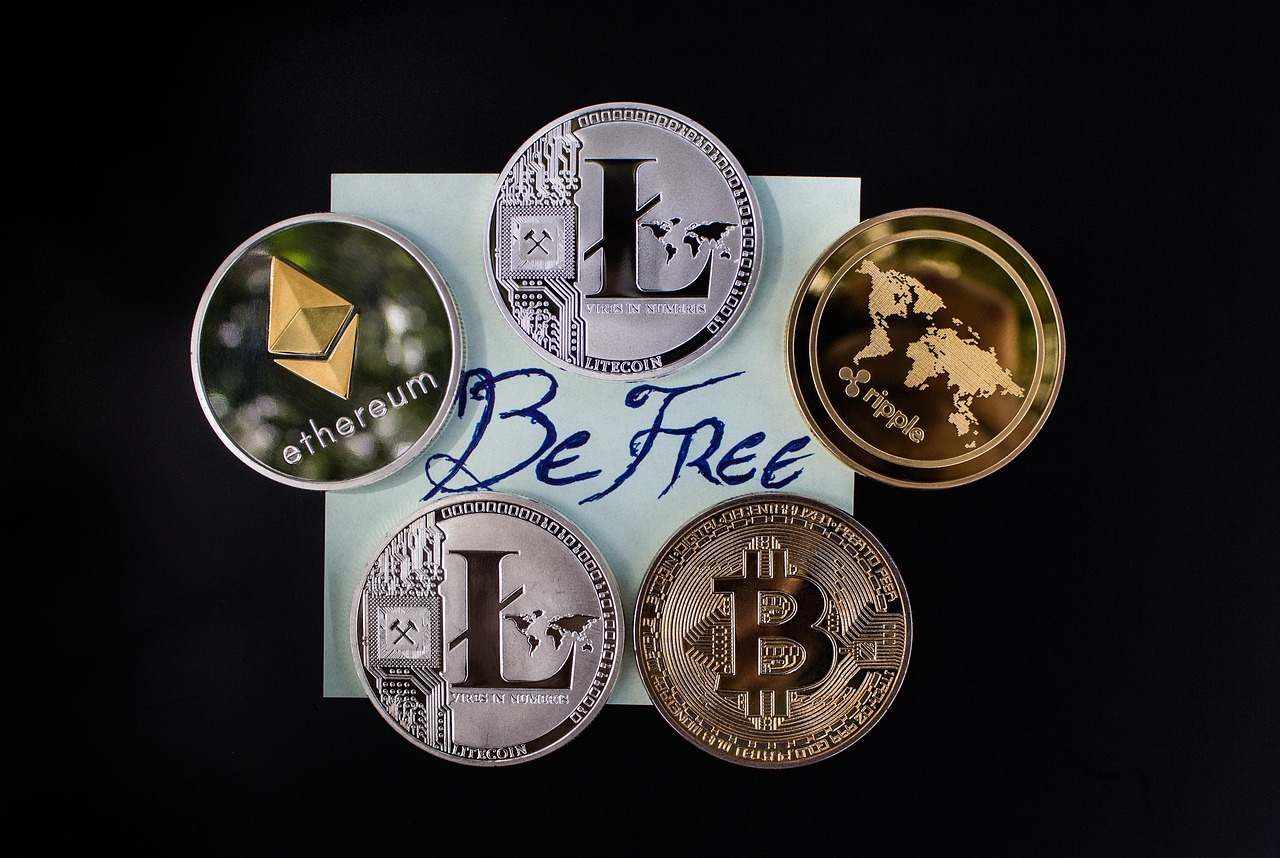
Understanding the Cryptocurrency Market
What is Cryptocurrency?
- Cryptocurrency is a Digital or virtual currency that uses cryptography for security. Unlike traditional currencies issued by central banks, cryptocurrencies operate on decentralized Technology called blockchain. This means transactions are recorded on a public ledger that is distributed across many computers, making it difficult to tamper with or censor.
Example: Bitcoin (BTC), the first and most well-known cryptocurrency, utilizes blockchain technology to verify and record every transaction.
- Key features of cryptocurrencies include:
Decentralization: No single entity controls the network.
Transparency: All transactions are publicly recorded on the blockchain.
Security: Cryptography ensures the integrity of the network.
Limited Supply (in many cases): Many cryptocurrencies have a capped supply, like Bitcoin’s 21 million limit, aiming to create scarcity and potentially increase value over time.
How the Crypto Market Differs from Traditional Markets
- 24/7 Trading: Unlike stock markets with fixed trading hours, the crypto market operates continuously, 24 hours a day, 7 days a week. This allows for immediate reactions to global news and events.
- Volatility: The crypto market is known for its high volatility, meaning prices can fluctuate dramatically in short periods. This presents both opportunities and risks for investors.
Example: Bitcoin’s price can swing by thousands of dollars in a single day, depending on market sentiment and news events.
- Decentralization: Traditional markets are regulated by central authorities, such as the Securities and Exchange Commission (SEC). The decentralized nature of the crypto market means it has less regulatory oversight in many jurisdictions, which can be seen as both a benefit and a drawback.
- Accessibility: Cryptocurrencies offer greater accessibility to a global audience, allowing individuals in countries with limited access to traditional financial services to participate in the market.
- Fractional Ownership: Unlike stocks, cryptocurrencies can be purchased in fractional units, allowing investors to buy a portion of a coin rather than a whole unit, making it accessible to more people.
Key Players in the Crypto Ecosystem
Cryptocurrency Exchanges
- These platforms facilitate the buying, selling, and trading of cryptocurrencies. They act as intermediaries between buyers and sellers.
Examples: Coinbase, Binance, Kraken, and Gemini are some of the most popular cryptocurrency exchanges.
- Exchanges can be centralized (CEX) or decentralized (DEX).
Centralized Exchanges (CEX): Operated by a company, offer user-friendly interfaces, and often provide fiat-to-crypto on-ramps. They require users to trust the exchange with their funds.
Decentralized Exchanges (DEX): Operate on a blockchain, allowing users to trade directly with each other without a central intermediary. Examples include Uniswap and PancakeSwap. DEXs typically require users to manage their own private keys and wallets.
Miners and Validators
- Miners: In proof-of-work (PoW) cryptocurrencies like Bitcoin, miners use powerful computers to solve complex cryptographic puzzles to validate transactions and add new blocks to the blockchain. Miners are rewarded with newly minted coins and transaction fees.
- Validators: In proof-of-stake (PoS) cryptocurrencies like Cardano (ADA) and Ethereum (ETH), validators stake their coins to have a chance to validate transactions and earn rewards. The more coins staked, the higher the chance of being selected as a validator.
Developers
- Developers play a crucial role in the crypto ecosystem by building and maintaining the underlying blockchain infrastructure, creating new applications, and improving existing protocols.
- Their contributions are essential for the growth and adoption of cryptocurrencies.
- Example: Developers working on the Ethereum network are constantly improving its scalability, security, and functionality through upgrades and new features.
Factors Influencing Crypto Prices
Supply and Demand
- Like any market, the price of a cryptocurrency is primarily driven by supply and demand. If demand exceeds supply, the price tends to increase, and vice versa.
- Example: Bitcoin’s limited supply of 21 million coins contributes to its scarcity and can drive up its price as demand increases.
Market Sentiment
- Public sentiment, news events, and social media buzz can significantly influence crypto prices. Positive news and optimistic views can lead to price increases, while negative news and fear can cause price drops.
- Example: A tweet from a prominent figure like Elon Musk can have a significant impact on the price of certain cryptocurrencies.
Regulatory Developments
- Government regulations and policies can have a profound impact on the crypto market. Clear and supportive regulations can foster growth, while restrictive regulations can hinder adoption and drive prices down.
- Example: News about regulatory crackdowns in certain countries can lead to a decline in cryptocurrency prices.
Technological Advancements
- Technological innovations and upgrades to blockchain protocols can also influence prices. Improvements in scalability, security, and functionality can increase the appeal and value of a cryptocurrency.
- Example: The Ethereum 2.0 upgrade, which transitioned Ethereum to a proof-of-stake consensus mechanism, was expected to improve its energy efficiency and scalability, potentially driving up its price.
Investing in Cryptocurrency: Strategies and Risks
Investment Strategies
- Dollar-Cost Averaging (DCA): Investing a fixed amount of money at regular intervals, regardless of the price. This can help reduce the impact of volatility.
Example: Investing $100 in Bitcoin every week, regardless of its price, helps to smooth out the average purchase price over time.
- Long-Term Holding (HODLing): Buying and holding cryptocurrencies for an extended period, regardless of short-term price fluctuations.
Example: Investing in Bitcoin and holding it for several years, believing in its long-term potential.
- Trading: Actively buying and selling cryptocurrencies to profit from short-term price movements. This requires a deep understanding of technical analysis and market trends.
Example: Using technical indicators like moving averages and RSI (Relative Strength Index) to identify potential buy and sell signals.
Risks to Consider
- Volatility: The high volatility of the crypto market can lead to significant losses.
- Security Risks: Cryptocurrencies are vulnerable to hacking and theft. Securely storing your private keys is crucial.
- Regulatory Uncertainty: The lack of clear regulations and potential for future regulatory changes can create uncertainty and impact prices.
- Scams and Fraud: The crypto market is rife with scams and fraudulent projects. Thorough research is essential before investing in any cryptocurrency.
Practical Tips for New Investors
- Do Your Own Research (DYOR): Understand the technology, use case, and team behind a cryptocurrency before investing.
- Start Small: Begin with a small amount of money that you can afford to lose.
- Diversify Your Portfolio: Don’t put all your eggs in one basket. Invest in a variety of cryptocurrencies to spread your risk.
- Use Secure Wallets: Store your cryptocurrencies in secure wallets, such as hardware wallets or reputable Software wallets.
- Stay Informed: Keep up-to-date with the latest news and developments in the crypto market.
Emerging Trends in the Crypto Market
Decentralized Finance (DeFi)
- DeFi aims to recreate traditional financial services on a decentralized blockchain. It allows users to lend, borrow, trade, and earn interest on their crypto assets without intermediaries.
- Examples: Lending platforms like Aave and Compound, decentralized exchanges like Uniswap and SushiSwap, and yield farming protocols.
- Impact: DeFi has the potential to revolutionize the financial industry by making it more accessible, transparent, and efficient.
Non-Fungible Tokens (NFTs)
- NFTs are unique digital assets that represent ownership of a specific item, such as artwork, music, or collectibles.
- Examples: Digital art sold on platforms like OpenSea, virtual land in metaverse projects like Decentraland and The Sandbox, and collectible items in blockchain games.
- Impact: NFTs have created new opportunities for creators to monetize their work and for collectors to own unique digital assets.
Metaverse and Web3
- The metaverse refers to a virtual world where users can interact with each other and with digital objects. Web3 is the next evolution of the internet, built on decentralized blockchain technology.
- Examples: Metaverse platforms like Decentraland and The Sandbox, and Web3 applications like decentralized social media platforms and decentralized storage solutions.
- Impact: The metaverse and Web3 have the potential to create new immersive experiences and to empower users with greater control over their data and digital identities.
Conclusion
The cryptocurrency market offers exciting opportunities for investors and innovators, but it also comes with significant risks. By understanding the key concepts, market dynamics, and emerging trends, you can navigate the crypto landscape more effectively and make informed decisions. Remember to always do your own research, invest responsibly, and stay informed about the latest developments in this rapidly evolving market. As the crypto space continues to mature, its impact on the global economy and financial system is likely to grow even further.
Read our previous article: Silicon Secrets: Unlocking Next-Gen Processor Architectures
Visit Our Main Page https://thesportsocean.com/