Decentralized Finance, or DeFi, is rapidly transforming the financial landscape, offering innovative alternatives to traditional financial systems. By leveraging blockchain technology, DeFi aims to create a more open, transparent, and accessible financial ecosystem for everyone. This blog post will delve into the core concepts of DeFi, explore its various applications, and discuss its potential impact on the future of finance.
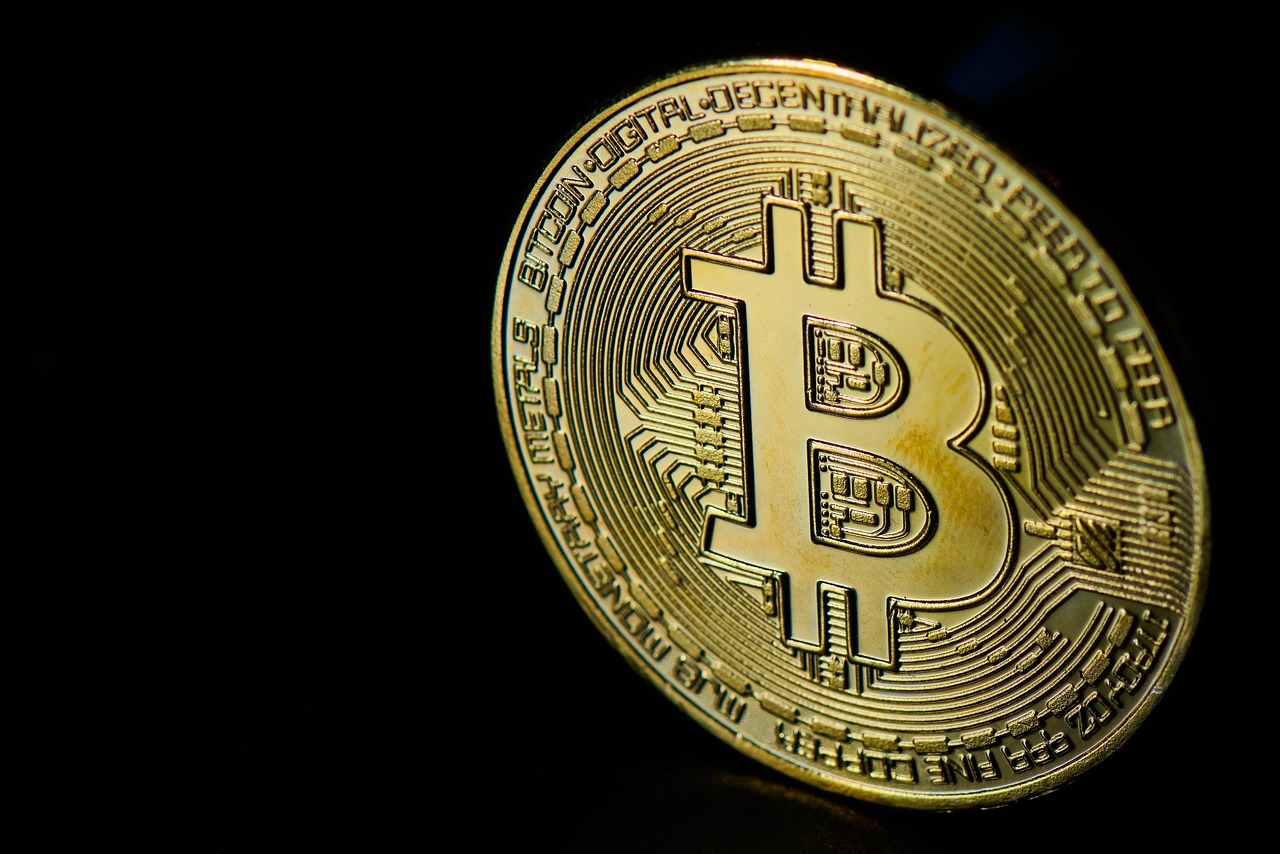
What is Decentralized Finance (DeFi)?
Defining DeFi and Its Core Principles
Decentralized Finance (DeFi) refers to financial applications built on blockchain technology, primarily using Ethereum. It aims to recreate and improve traditional financial services like lending, borrowing, trading, and insurance without intermediaries such as banks or brokers. Key principles driving DeFi include:
- Decentralization: Eliminating central control and reliance on intermediaries.
- Transparency: Transactions and code are often publicly auditable on the blockchain.
- Accessibility: Open to anyone with an internet connection and a cryptocurrency wallet.
- Immutability: Once recorded on the blockchain, transactions cannot be altered or reversed.
- Composability: DeFi protocols can be combined and built upon each other, creating new and innovative financial products.
How DeFi Differs from Traditional Finance (TradFi)
The differences between DeFi and TradFi are significant and far-reaching. In traditional finance, institutions control access and dictate the terms of service. DeFi empowers individuals through:
- Permissionless Access: No need for credit checks or KYC for many DeFi services.
- Global Reach: DeFi applications are accessible from anywhere in the world.
- Automated Processes: Smart contracts automate financial agreements, reducing human error and costs.
- Enhanced Transparency: Blockchain provides a public record of all transactions.
- Example: Imagine needing a loan. In TradFi, you’d go to a bank, undergo a credit check, and potentially face high interest rates. In DeFi, you could use a platform like Aave to borrow crypto by providing collateral, often without a credit check and potentially at competitive rates.
Key Components and Applications of DeFi
Decentralized Exchanges (DEXs)
DEXs are platforms where users can trade cryptocurrencies directly with each other without the need for a central intermediary like Binance or Coinbase.
- Automated Market Makers (AMMs): Many DEXs use AMMs like Uniswap and PancakeSwap. AMMs use liquidity pools rather than order books, allowing for continuous trading.
- Reduced Counterparty Risk: By trading directly with others, users avoid the risk of losing funds if a centralized exchange is hacked or goes bankrupt.
- Increased Liquidity: Incentive mechanisms, such as providing rewards for liquidity providers, can boost liquidity on DEXs.
- Example: Uniswap is a popular DEX built on Ethereum that uses an AMM model. Users can swap between different tokens by paying a small fee to liquidity providers.
Lending and Borrowing Platforms
DeFi lending and borrowing platforms allow users to lend out their crypto assets to earn interest or borrow crypto by providing collateral.
- Over-Collateralization: Borrowers typically need to provide more collateral than the amount they borrow to mitigate risk.
- Flash Loans: Uncollateralized loans that must be repaid within the same transaction block.
- Dynamic Interest Rates: Interest rates are determined by supply and demand, creating a more efficient market.
- Example: Aave is a popular lending platform where users can deposit crypto to earn interest or borrow assets by providing collateral. Compound is another similar protocol that automatically adjusts interest rates based on market conditions.
Stablecoins
Stablecoins are cryptocurrencies designed to maintain a stable value, typically pegged to a fiat currency like the US dollar. They play a crucial role in DeFi by providing a stable medium of exchange and store of value.
- Fiat-Collateralized: Backed by reserves of fiat currency held in custody (e.g., USDT, USDC).
- Crypto-Collateralized: Backed by other cryptocurrencies, requiring over-collateralization to maintain stability (e.g., DAI).
- Algorithmic Stablecoins: Use algorithms to maintain price stability, often through supply adjustments (e.g., AMPL).
- Example: USDC is a popular fiat-collateralized stablecoin issued by Circle and Coinbase, while DAI is a crypto-collateralized stablecoin managed by MakerDAO.
Yield Farming and Liquidity Mining
Yield farming involves providing liquidity to DeFi protocols in exchange for rewards, typically in the form of governance tokens or a portion of transaction fees. Liquidity mining is a specific type of yield farming that focuses on incentivizing liquidity provision.
- High Returns: Yield farming can offer attractive returns compared to traditional savings accounts or bonds.
- Risk of Impermanent Loss: Liquidity providers may experience impermanent loss if the price of the assets they are providing liquidity for changes significantly.
- Smart Contract Risk: There is always a risk that smart contract vulnerabilities could lead to loss of funds.
- Example: Providing liquidity to a Uniswap pool might earn you UNI tokens as a reward, but if the prices of the tokens in the pool diverge significantly, you could experience impermanent loss.
Benefits of DeFi
Increased Financial Inclusion
DeFi provides access to financial services for individuals who are excluded from traditional banking systems.
- Unbanked Populations: DeFi can provide financial services to the estimated 1.7 billion unbanked adults worldwide.
- Cross-Border Payments: DeFi facilitates faster and cheaper cross-border payments compared to traditional methods.
- Microfinance: DeFi can enable microloans and other financial services for small businesses and individuals in developing countries.
Transparency and Auditability
Blockchain technology provides transparency and auditability of all transactions.
- Publicly Verifiable: All transactions are recorded on a public ledger, making them easily verifiable.
- Reduced Fraud: Transparency reduces the risk of fraud and corruption.
- Trustless System: Participants can trust the system without needing to trust individual intermediaries.
Efficiency and Automation
Smart contracts automate financial processes, reducing costs and increasing efficiency.
- Lower Fees: DeFi platforms often have lower fees compared to traditional financial institutions.
- Faster Transactions: Transactions can be processed much faster than traditional banking transactions.
- Automated Compliance: Smart contracts can automate compliance processes, reducing the burden on businesses.
Risks and Challenges of DeFi
Smart Contract Vulnerabilities
Smart contracts are susceptible to bugs and vulnerabilities that can lead to loss of funds.
- Code Audits: Thoroughly auditing smart contract code is essential to identify and fix vulnerabilities.
- Insurance Protocols: DeFi insurance protocols like Nexus Mutual can protect users against smart contract risks.
- Formal Verification: Using formal verification techniques can help ensure the correctness of smart contract code.
Scalability Issues
Current blockchain technology faces scalability challenges that can limit the performance of DeFi applications.
- Layer-2 Scaling Solutions: Solutions like Optimism and Arbitrum aim to improve scalability by processing transactions off-chain.
- Sharding: Sharding is a technique that divides the blockchain into smaller, more manageable pieces.
- Alternative Blockchains: Newer blockchains like Solana and Avalanche offer faster transaction speeds and lower fees.
Regulatory Uncertainty
The regulatory landscape for DeFi is still evolving, creating uncertainty for businesses and users.
- Global Coordination: International cooperation is needed to develop a consistent regulatory framework for DeFi.
- Compliance Solutions: Companies are developing compliance solutions to help DeFi platforms meet regulatory requirements.
- Education and Awareness: Educating regulators and policymakers about the benefits and risks of DeFi is crucial.
Future of DeFi
Integration with Traditional Finance
The future of DeFi will likely involve greater integration with traditional financial systems.
- Tokenization of Assets: Traditional assets like stocks, bonds, and real estate could be tokenized and traded on DeFi platforms.
- Institutional Adoption: Institutional investors are starting to explore DeFi as a way to access new investment opportunities.
- Hybrid Models: Hybrid models that combine the benefits of DeFi and TradFi could emerge.
Innovations in DeFi
New innovations in DeFi are constantly emerging, pushing the boundaries of what is possible.
- Decentralized Insurance: Protocols like Nexus Mutual provide decentralized insurance against smart contract risks.
- Decentralized Autonomous Organizations (DAOs): DAOs are used to govern DeFi protocols and make decisions collectively.
- Cross-Chain DeFi: Protocols that allow for the transfer of assets and data between different blockchains are gaining traction.
Impact on the Global Economy
DeFi has the potential to transform the global economy by creating a more open, transparent, and efficient financial system.
- Financial Inclusion: DeFi can provide access to financial services for underserved populations.
- Economic Growth: DeFi can stimulate economic growth by lowering transaction costs and increasing access to capital.
- Innovation:* DeFi can foster innovation by creating new financial products and services.
Conclusion
DeFi is revolutionizing the financial world by offering a decentralized, transparent, and accessible alternative to traditional financial systems. While challenges like scalability, security, and regulatory uncertainty exist, the potential benefits of DeFi, including increased financial inclusion, greater efficiency, and innovative financial products, are significant. As the DeFi ecosystem continues to evolve, it is poised to reshape the future of finance and the global economy. Staying informed about the developments and understanding the risks is critical for anyone interested in participating in this exciting new frontier.
Read our previous article: Digital Transformation: Beyond The Hype, Real World Impact
Visit Our Main Page https://thesportsocean.com/