NFTs, or Non-Fungible Tokens, have taken the digital world by storm, transforming how we think about ownership, art, collectibles, and more. From million-dollar digital artworks to tokenized in-game items, NFTs are reshaping industries and creating new opportunities for creators and collectors alike. This guide will delve into the world of NFTs, explaining what they are, how they work, and their potential impact.
What is an NFT?
Understanding Non-Fungibility
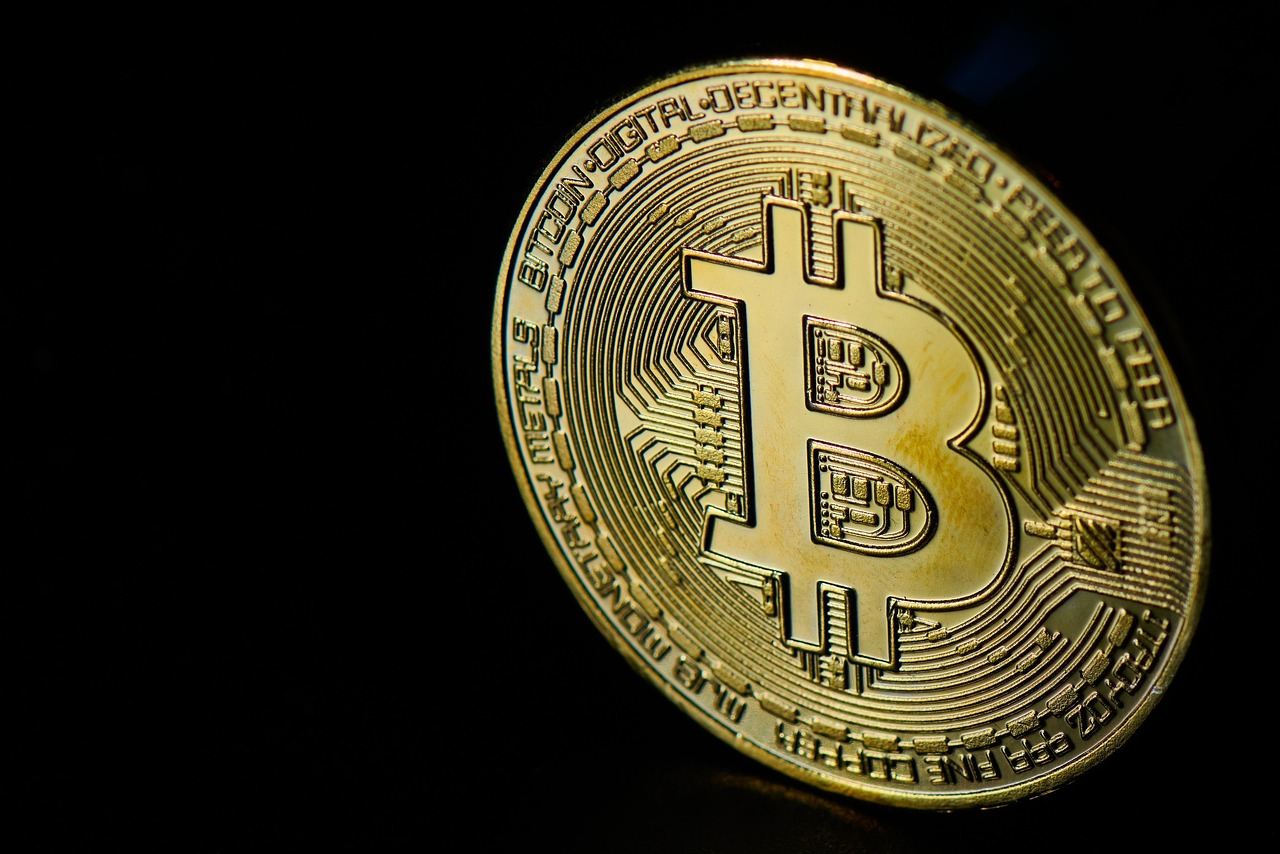
NFT stands for Non-Fungible Token. “Fungible” means that an item is interchangeable with another identical item. For example, one Bitcoin is fungible because it’s equivalent to any other Bitcoin. In contrast, NFTs are unique and cannot be replaced by something else. They represent ownership of a specific digital or physical asset.
- Example: Think of a unique trading card. It has a specific serial number, rarity, and history, making it distinct from all other trading cards, even of the same character. This is similar to the concept of non-fungibility.
The Underlying Technology: Blockchain
NFTs are built on blockchain technology, which is a decentralized, distributed, and public digital ledger. This ensures the authenticity and immutability of NFT ownership records.
- Benefits of Blockchain:
Transparency: All transactions are recorded on the blockchain and publicly viewable.
Security: Blockchain’s cryptographic security makes it extremely difficult to tamper with NFT ownership records.
Provenance: The entire history of an NFT, including its creator and all previous owners, is permanently recorded.
Key Characteristics of NFTs
- Uniqueness: Each NFT is distinct and has unique identifying information.
- Indivisibility: NFTs cannot be divided into smaller units like cryptocurrencies. You can’t own half of an NFT.
- Rarity: Some NFTs are created in limited quantities, enhancing their value.
- Ownership: NFTs provide verifiable and transparent ownership of the associated asset.
How NFTs Work
Minting NFTs
Minting is the process of creating a new NFT. It involves transforming a digital file (e.g., an image, video, audio file) into a unique token on the blockchain.
- Steps Involved:
1. Choose a Blockchain: Ethereum, Solana, and Tezos are popular blockchains for NFTs.
2. Select an NFT Marketplace or Platform: Platforms like OpenSea, Rarible, and Mintable provide tools for minting NFTs.
3. Upload Your Digital File: Upload the file you want to tokenize (e.g., a digital artwork).
4. Set Metadata: Add information about the NFT, such as its name, description, and properties.
5. Set a Price: Determine the price you want to sell the NFT for.
6. Pay Transaction Fees (Gas Fees): You will need to pay a fee to the blockchain to process the minting transaction.
Buying and Selling NFTs
NFTs are typically bought and sold on online marketplaces that facilitate the exchange of tokens for cryptocurrencies.
- Key Steps:
1. Create a Cryptocurrency Wallet: You need a crypto wallet like MetaMask to store your NFTs and cryptocurrencies.
2. Fund Your Wallet: Purchase cryptocurrency (e.g., Ether) and transfer it to your wallet.
3. Browse NFT Marketplaces: Explore platforms like OpenSea, Rarible, Nifty Gateway, and SuperRare.
4. Select an NFT: Choose an NFT you want to purchase.
5. Place a Bid or Buy Now: Either place a bid in an auction or purchase the NFT at its listed price.
6. Confirm the Transaction: Confirm the transaction in your crypto wallet.
7. Receive the NFT: The NFT will be transferred to your wallet once the transaction is confirmed on the blockchain.
Smart Contracts
Smart contracts are self-executing contracts written in code and stored on the blockchain. They automate the terms of an agreement between buyers and sellers, ensuring transparency and trust.
- Role in NFTs:
Smart contracts define the rules for NFT ownership, transfer, and royalties.
They automatically execute royalty payments to the creator each time the NFT is resold.
They verify the authenticity of the NFT and prevent forgery.
Applications of NFTs
Digital Art and Collectibles
NFTs have revolutionized the art world, providing artists with new ways to monetize their work and connect with collectors directly.
- Examples:
Beeple’s “Everydays: The First 5000 Days”: Sold for $69 million at Christie’s, demonstrating the potential value of digital art NFTs.
CryptoPunks: One of the earliest NFT projects, featuring 10,000 unique pixel art characters. Some CryptoPunks have sold for millions of dollars.
Gaming
NFTs are transforming the gaming industry by allowing players to own in-game items, characters, and virtual land.
- Benefits for Gamers:
True Ownership: Players truly own their in-game assets and can trade them on NFT marketplaces.
Interoperability: NFTs can potentially be used across multiple games and platforms.
Earning Opportunities: Players can earn cryptocurrency by playing games and trading NFTs.
- Examples:
Axie Infinity: A popular play-to-earn game where players collect, breed, and battle with NFT creatures called Axies.
Decentraland: A virtual world where users can buy, sell, and build on NFT-based land parcels.
Music
NFTs are enabling musicians to connect with fans in new ways, offering exclusive content, experiences, and ownership opportunities.
- Examples:
Kings of Leon: Released their album as an NFT, offering exclusive perks to NFT holders.
Grimes: Sold digital art and music NFTs for millions of dollars.
Other Potential Applications
- Real Estate: Tokenizing properties to facilitate fractional ownership and easier transactions.
- Supply Chain Management: Tracking the provenance of goods and ensuring authenticity.
- Identity Verification: Creating secure and verifiable digital identities.
Risks and Challenges
Volatility
The value of NFTs can be highly volatile and subject to rapid price swings.
- Tips:
Do thorough research before investing in NFTs.
Only invest what you can afford to lose.
Diversify your NFT portfolio.
Security
NFTs are susceptible to security risks, including hacking, phishing scams, and smart contract vulnerabilities.
- Precautions:
Use strong passwords and enable two-factor authentication.
Be cautious of suspicious links and emails.
Store your NFTs in a secure hardware wallet.
Environmental Concerns
Some NFT blockchains, like Ethereum (prior to the merge), have been criticized for their high energy consumption.
- Solutions:
Choose NFTs on eco-friendly blockchains like Solana or Tezos.
Support projects that are committed to reducing their environmental impact.
Regulatory Uncertainty
The regulatory landscape for NFTs is still evolving, and there is uncertainty about how NFTs will be classified and regulated in the future.
- Stay Informed:
Keep up-to-date on the latest NFT regulations in your jurisdiction.
* Seek legal advice if you have questions about NFT compliance.
Conclusion
NFTs represent a paradigm shift in how we think about digital ownership and value. While they present exciting opportunities for creators, collectors, and investors, it’s crucial to approach them with caution and awareness of the associated risks. Understanding the technology, applications, and potential challenges of NFTs will empower you to navigate this evolving landscape effectively. The world of NFTs is rapidly evolving, so continuous learning and adaptation are key to success in this exciting space.
Read our previous article: Quantum Supremacy To Edge: Computing Powers Next Frontier
Visit Our Main Page https://thesportsocean.com/