Staking, once a niche concept within the cryptocurrency community, has rapidly evolved into a mainstream method for earning rewards and actively participating in Blockchain network security. More than just holding Digital assets, staking allows you to put your crypto to work, generating passive income while simultaneously contributing to the operational integrity of your favorite blockchains. Let’s dive into the world of staking and explore how it can benefit you.
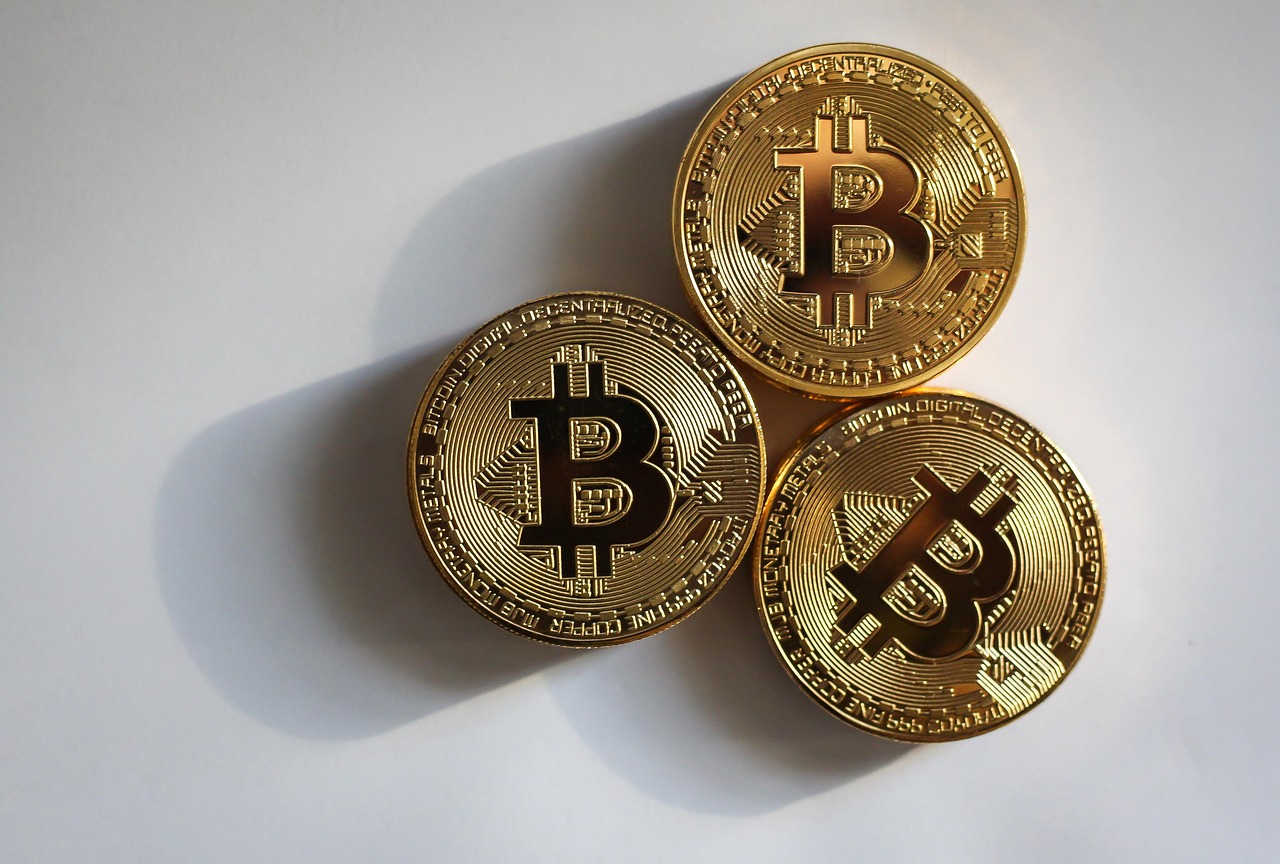
What is Crypto Staking?
The Basics of Proof-of-Stake (PoS)
At its core, staking involves holding cryptocurrency in a digital wallet to support the operations of a blockchain network. This primarily applies to blockchains utilizing a Proof-of-Stake (PoS) consensus mechanism. In PoS, instead of relying on computationally intensive “mining,” like in Bitcoin’s Proof-of-Work (PoW), the network selects validators to create new blocks and verify transactions based on the amount of cryptocurrency they “stake.” Think of it as a digital deposit that demonstrates your commitment to the network.
How Staking Works
When you stake your cryptocurrency, you essentially lock up your funds for a specific period. During this time, your stake is used to validate transactions and secure the network. In return for your contribution, you receive staking rewards, usually in the form of additional cryptocurrency of the same type you are staking. These rewards are similar to earning interest on a savings account, but often with significantly higher returns.
Example: Imagine you have 100 units of CoinX, a PoS cryptocurrency. You decide to stake these coins through a supported wallet or exchange. The network uses your staked coins as part of the validator selection process. If selected, you participate in validating transactions and adding new blocks to the blockchain. For your efforts and the security provided, you receive, for example, 5 CoinX as staking rewards per year, representing a 5% annual return.
Direct Staking vs. Delegated Staking
There are primarily two ways to participate in staking:
- Direct Staking: This involves running your own validator node. This requires a certain technical understanding and ongoing maintenance, including ensuring uptime and security of your node. However, it usually provides the highest potential rewards.
- Delegated Staking: This is a more accessible option for beginners. You delegate your staking power to an existing validator node. The validator takes care of the technical aspects, and you receive a portion of the staking rewards, minus a small commission fee charged by the validator. Most major exchanges offer delegated staking services.
Benefits of Staking
Earning Passive Income
The most obvious benefit of staking is the ability to earn passive income on your cryptocurrency holdings. Instead of simply holding your crypto in a wallet, you can put it to work and generate rewards. Staking rewards can vary widely depending on the cryptocurrency, the staking period, and the platform used.
Contributing to Network Security and Decentralization
By staking your cryptocurrency, you actively contribute to the security and stability of the blockchain network. The more participants staking, the more decentralized and resistant to attacks the network becomes. This helps maintain the integrity of the blockchain and ensures its long-term viability.
Participating in Governance
Some PoS blockchains allow stakers to participate in governance decisions. This means you can vote on proposals related to the future development and direction of the network. Staking gives you a voice in shaping the future of the cryptocurrency you are invested in.
Lower Barrier to Entry Compared to Mining
Compared to mining cryptocurrencies like Bitcoin, staking generally has a much lower barrier to entry. Mining requires significant investment in specialized Hardware and electricity, while staking only requires holding the specific cryptocurrency and participating through a wallet or exchange.
Risks Associated with Staking
Lock-up Periods
Most staking protocols require you to lock up your cryptocurrency for a specific period, which can range from days to months. During this time, you cannot access or trade your staked assets. If you need to access your funds urgently, you may be forced to unstake, potentially incurring penalties or forfeiting rewards.
Slashing Penalties
If a validator node misbehaves or fails to validate transactions correctly, the staked funds can be subject to slashing penalties. This means a portion of the staked funds can be confiscated by the network as a punishment for the validator’s actions. While delegating your stake mitigates this risk somewhat, it’s crucial to choose a reputable and reliable validator.
Price Volatility
The value of your staked cryptocurrency can fluctuate significantly. If the price of the cryptocurrency drops during the staking period, the value of your staked assets and rewards will also decrease. This is a risk inherent in all cryptocurrency investments, but it’s especially important to consider when staking due to the lock-up periods.
Validator Risk
When delegating your stake, you are relying on the validator to act responsibly and maintain the integrity of their node. If the validator is hacked or experiences technical issues, it can affect your rewards and potentially lead to slashing penalties. Thoroughly research and choose a validator with a strong track record and security measures.
How to Choose a Staking Platform and Cryptocurrency
Researching Different Staking Platforms
Several platforms offer staking services, including centralized exchanges like Binance, Coinbase, and Kraken, as well as decentralized wallets like Trust Wallet and Metamask (through staking pools). When choosing a platform, consider the following factors:
- Security: Ensure the platform has robust security measures in place to protect your funds.
- Fees: Compare the commission fees charged by different validators or platforms.
- Ease of Use: Choose a platform with a user-friendly interface and clear instructions.
- Reputation: Research the platform’s reputation and track record.
- Supported Cryptocurrencies: Ensure the platform supports the cryptocurrencies you want to stake.
- Lock-up Periods and Penalties: Understand the terms and conditions, including lock-up periods and potential penalties for unstaking early or validator misbehavior.
Evaluating Different Cryptocurrencies for Staking
Not all cryptocurrencies support staking. When evaluating different cryptocurrencies for staking, consider the following factors:
- Proof-of-Stake Consensus Mechanism: Ensure the cryptocurrency uses a Proof-of-Stake or a variant of PoS.
- Staking Rewards: Compare the staking rewards offered by different cryptocurrencies. Higher rewards may come with higher risks.
- Market Capitalization and Liquidity: Choose cryptocurrencies with a relatively high market capitalization and liquidity to reduce the risk of price manipulation and ensure you can easily buy or sell your assets.
- Network Activity and Development: Consider the level of activity and development on the blockchain network. A healthy and active network is more likely to be successful in the long term.
- Inflation Rate: Consider the cryptocurrency’s inflation rate, as high inflation can dilute the value of your staking rewards.
Practical Tips for Successful Staking
- Start Small: Begin by staking a small amount to get familiar with the process and the platform.
- Diversify Your Stakes: Don’t put all your eggs in one basket. Consider staking multiple cryptocurrencies to diversify your risk.
- Stay Informed: Keep up-to-date with the latest news and developments in the cryptocurrency market and the specific blockchains you are staking on.
- Secure Your Wallet: Use strong passwords and enable two-factor authentication to protect your wallet from unauthorized access.
- Regularly Monitor Your Stake: Check your staking rewards and the performance of your validator on a regular basis.
Conclusion
Staking offers a compelling opportunity to earn passive income, contribute to the security of blockchain networks, and participate in governance decisions. However, it’s essential to understand the risks involved and do your research before getting started. By carefully choosing a staking platform and cryptocurrency, and following best practices, you can maximize your chances of success and unlock the potential of staking.
Read our previous article: Quantum Supremacys Aftermath: Charting The Next Decade
Visit Our Main Page https://thesportsocean.com/