Staking cryptocurrency is rapidly becoming a popular way for crypto enthusiasts to earn passive income and participate in the governance of their favorite blockchain networks. Forget simply holding onto your Digital assets; staking allows you to put them to work, contributing to network security and earning rewards in the process. But what exactly is staking, and how does it work? Let’s dive into this increasingly important aspect of the cryptocurrency world.
What is Cryptocurrency Staking?
The Basics of Staking
At its core, staking involves holding cryptocurrency in a digital wallet to support the operations of a blockchain network. Unlike proof-of-work (PoW) blockchains like Bitcoin, which rely on miners solving complex cryptographic puzzles, staking is typically used in proof-of-stake (PoS) blockchains. In a PoS system, validators are selected based on the amount of crypto they stake to confirm new transactions, secure the network, and create new blocks. Think of it like earning interest on a savings account, but instead of depositing fiat currency, you’re depositing crypto.
Proof-of-Stake (PoS) Explained
PoS is a consensus mechanism that relies on validators locking up their tokens to participate in the network. The more tokens a validator stakes, the higher their chance of being selected to validate new blocks and earn rewards. This system reduces the energy consumption associated with mining in PoW systems, making it a more environmentally friendly alternative.
Key Differences from Mining
Staking differs significantly from mining in several key ways:
- Energy Consumption: Staking requires significantly less energy than mining, making it a greener option.
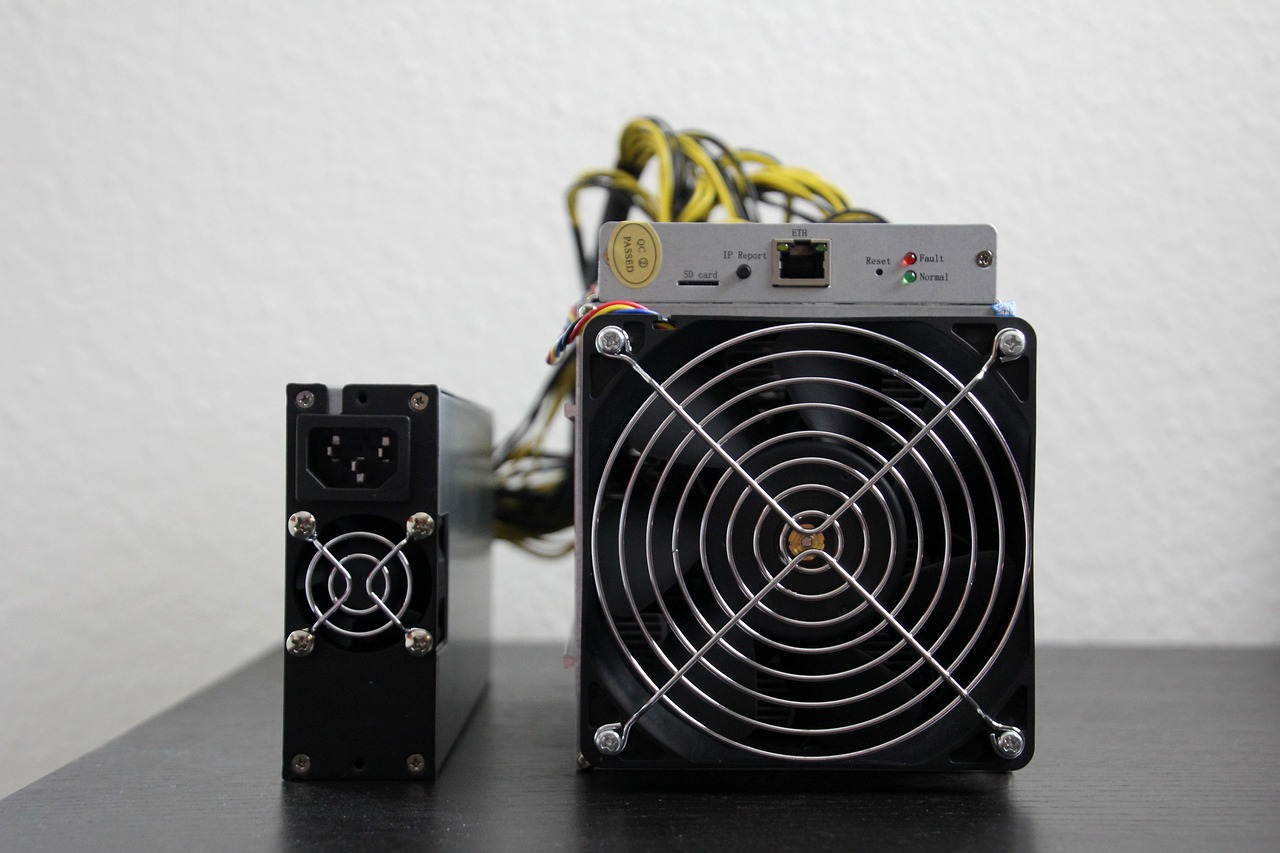
- Hardware Requirements: Mining often necessitates expensive, specialized hardware. Staking can be done with relatively modest hardware or even through a Software wallet on your computer or smartphone.
- Participation: Staking allows a wider range of participants to contribute to the network and earn rewards, while mining is often dominated by large-scale operations.
Benefits of Staking
Earning Passive Income
One of the primary benefits of staking is the potential to earn passive income. By locking up your crypto, you can receive staking rewards, which are typically paid out in the same cryptocurrency you’re staking. The annual percentage yield (APY) can vary significantly depending on the cryptocurrency, the staking platform, and the lock-up period.
Example: Imagine staking 100 Cardano (ADA) with an APY of 5%. Over a year, you could earn an additional 5 ADA, bringing your total holdings to 105 ADA.
Contributing to Network Security
Staking plays a vital role in maintaining the security and stability of PoS blockchain networks. By staking your tokens, you are essentially vouching for the validity of transactions and helping to prevent malicious actors from compromising the network. A larger number of stakers generally makes the network more resistant to attacks.
Participating in Governance
Many PoS blockchains allow stakers to participate in governance decisions, such as voting on protocol upgrades and new features. This gives stakers a direct say in the future direction of the network and fosters a more decentralized and community-driven ecosystem.
Supporting Decentralization
Staking contributes to the decentralization of blockchain networks by distributing the power to validate transactions across a broader range of participants. This reduces the risk of centralization and enhances the overall resilience of the network.
How to Start Staking
Choosing a Cryptocurrency to Stake
The first step is to choose a cryptocurrency that supports staking. Popular options include:
- Ethereum (ETH)
- Cardano (ADA)
- Solana (SOL)
- Polkadot (DOT)
- Tezos (XTZ)
Consider factors such as the APY, lock-up period, network security, and governance participation opportunities when making your decision. Remember to conduct thorough research before investing in any cryptocurrency.
Selecting a Staking Platform
You can stake your crypto through various platforms, including:
- Centralized Exchanges (CEXs): Binance, Coinbase, and Kraken offer staking services for a wide range of cryptocurrencies. This is often the easiest option for beginners, but it comes with the risk of trusting a third party with your funds.
- Decentralized Wallets: Ledger, Trezor, and MetaMask allow you to stake your crypto directly from your wallet, giving you greater control over your funds.
- Staking Pools: These are groups of stakers who pool their resources to increase their chances of being selected to validate blocks and earn rewards. They are suitable for people who don’t have the minimum amounts required to become a validator.
Choose a platform that aligns with your risk tolerance, technical expertise, and investment goals.
Setting Up Your Wallet
If you choose to stake through a decentralized wallet, you’ll need to set it up and transfer your crypto to it. Follow the wallet’s instructions carefully to ensure the security of your funds. Consider using a hardware wallet for added security.
Example: When using MetaMask, you can connect to various staking platforms through the wallet interface and easily delegate your tokens. Make sure to verify the authenticity of the websites before connecting.
Delegating Your Stake
Once your crypto is in your wallet, you can delegate it to a validator or staking pool. This process typically involves selecting a validator from a list and confirming the delegation transaction. Note that some platforms may require a minimum staking amount and a lock-up period.
Risks and Considerations
Lock-Up Periods
Many staking platforms require you to lock up your crypto for a specific period, during which you cannot access or trade your tokens. This can be a disadvantage if you need to access your funds urgently or if the value of the cryptocurrency drops significantly.
Slashing
Slashing is a penalty imposed on validators who engage in malicious behavior or fail to properly validate transactions. If a validator you’ve delegated your stake to is slashed, you may lose a portion of your staked tokens.
Volatility
The value of cryptocurrencies can be highly volatile. If the price of the cryptocurrency you’re staking drops significantly, your staking rewards may not offset the losses.
Platform Risks
Staking through a centralized exchange or a staking pool carries the risk of the platform being hacked or going bankrupt. Always choose reputable platforms and diversify your holdings to minimize these risks.
Tip: Before staking, thoroughly research the staking platform and validator you are considering. Look for platforms with strong security measures and validators with a good track record.
Conclusion
Cryptocurrency staking offers a compelling way to earn passive income, contribute to network security, and participate in governance. However, it’s crucial to understand the risks and considerations involved before diving in. By carefully choosing a cryptocurrency to stake, selecting a reputable platform, and understanding the lock-up periods and potential slashing risks, you can maximize your staking rewards and minimize your potential losses. With a little due diligence, staking can be a valuable addition to your cryptocurrency investment strategy.
Read our previous article: Beyond Silicon Valley: Mapping The Next Tech Hubs
Visit Our Main Page https://thesportsocean.com/