Friday, December 5

Tag: Layer 2:

Layer 2: Scaling Ethereum To The Data Frontier

Layer 2: Scaling Ethereum To The Data Frontier

Crypto
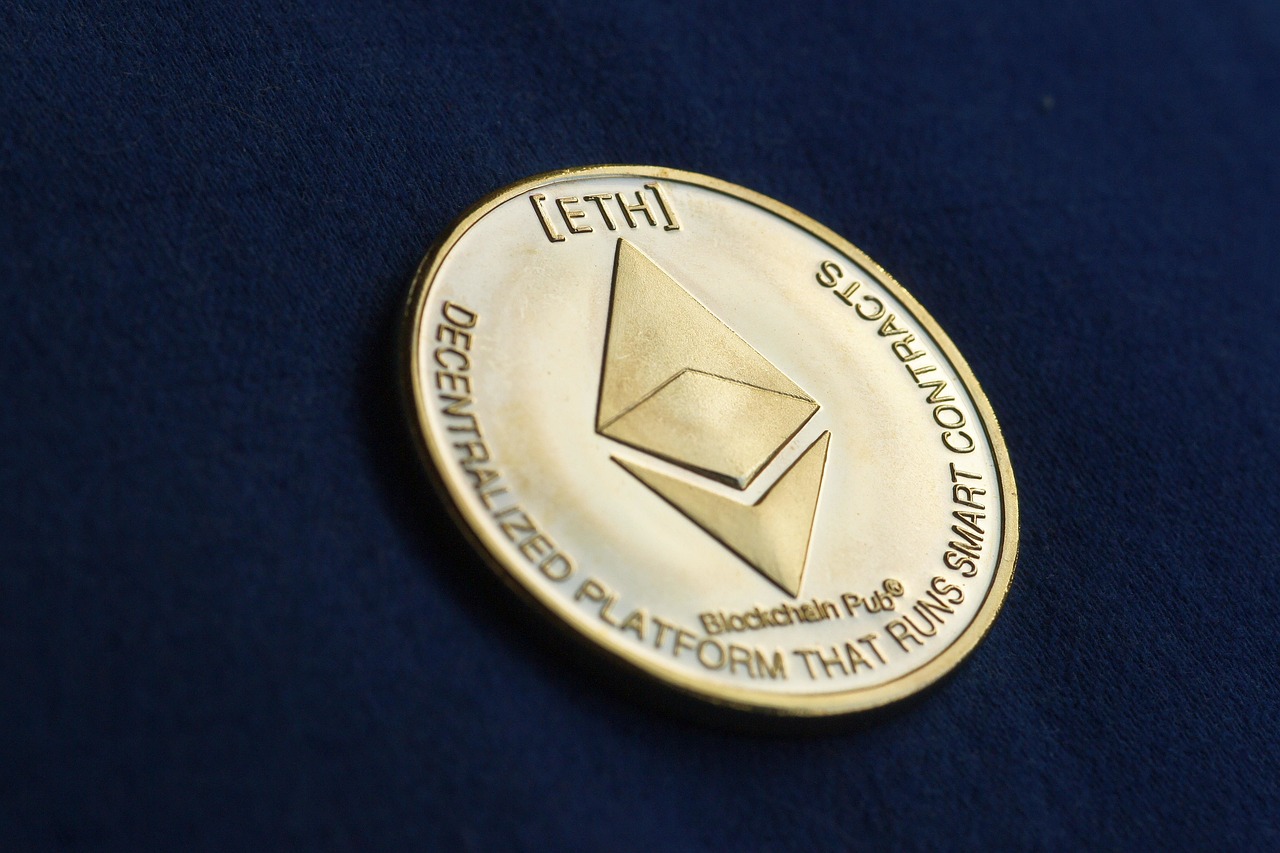
Layer-2 solutions are revolutionizing the world of Blockchain, offering a powerful answer to the scalability issues that plague many popular cryptocurrencies like Bitcoin and Ethereum. By offloading transaction processing from the main chain, these innovative technologies dramatically increase transaction speeds, reduce fees, and enhance the overall user experience. If you're struggling with slow transaction times or high gas fees, understanding Layer-2 is crucial for navigating the future of decentralized applications and cryptocurrencies. Let's dive into the details. Understanding Layer-2 Scaling Solutions What is Layer-2? Layer-2 refers to a secondary framework or protocol built on top of an existing blockchain system (Layer-1). Instead of modifying the core blockchain itself, Layer-2 s...
Layer 2 Renaissance: Scaling Privacy And DeFi

Layer 2 Renaissance: Scaling Privacy And DeFi

Crypto
Layer 2 solutions are revolutionizing the way we interact with Blockchain Technology, addressing scalability issues and opening doors to a more efficient and user-friendly decentralized world. As blockchain adoption grows, understanding Layer 2 becomes crucial for developers, investors, and anyone interested in the future of Web3. This guide delves into the intricacies of Layer 2, exploring its benefits, mechanisms, and the future it promises. Understanding Blockchain Scalability The Blockchain Scalability Problem Blockchain technology, while revolutionary, faces a significant hurdle: scalability. The original designs of many popular blockchains, like Bitcoin and Ethereum, struggle to process a high volume of transactions quickly and affordably. Slow Transaction Speeds: Compared to tradit...
Layer 2: Scaling Ethereum With Modular Data Availability

Layer 2: Scaling Ethereum With Modular Data Availability

Crypto
Layer 2 scaling solutions are revolutionizing the Blockchain landscape, addressing the inherent scalability limitations of Layer 1 blockchains like Ethereum and Bitcoin. These innovative solutions allow for faster, cheaper, and more efficient transactions without compromising security. As blockchain adoption grows, understanding Layer 2 is crucial for anyone involved in cryptocurrency, decentralized finance (DeFi), or Web3 development. Let's dive into the world of Layer 2 and explore its potential. What is Layer 2? Defining Layer 2 Layer 2 (L2) refers to a set of scaling solutions built on top of an existing Layer 1 (L1) blockchain, such as Ethereum or Bitcoin. These solutions aim to increase transaction throughput and reduce costs by processing transactions off-chain, while still benefiti...
Layer 2: Scaling Ethereums Future, One Transaction At A Time

Layer 2: Scaling Ethereums Future, One Transaction At A Time

Crypto
Layer 2 scaling solutions are revolutionizing the Blockchain landscape, offering a critical path to faster, cheaper, and more scalable decentralized applications. As the demand for blockchain Technology continues to grow, Layer 1 networks like Ethereum often face congestion and high transaction fees, hindering widespread adoption. Layer 2 provides a crucial off-chain scaling mechanism, enabling blockchains to handle a significantly larger volume of transactions without sacrificing security or decentralization. This post dives deep into the world of Layer 2, exploring its mechanisms, benefits, and impact on the future of blockchain technology. Understanding Layer 2 Scaling What is Layer 2? Layer 2 (L2) refers to a collection of scaling solutions built on top of an existing Layer 1 (L1) bloc...
Layer 2 Renaissance: Scaling Ethereum With Optimism And ZK-Rollups

Layer 2 Renaissance: Scaling Ethereum With Optimism And ZK-Rollups

Crypto
Layer 2 scaling solutions are revolutionizing Blockchain Technology, offering a much-needed boost to transaction speeds and affordability. As blockchain networks like Ethereum face scalability challenges due to high transaction fees and slow processing times, Layer 2 steps in to provide practical solutions that enhance the overall user experience. This article delves into the intricacies of Layer 2, exploring its mechanisms, benefits, and how it paves the way for a more scalable and efficient blockchain ecosystem. What is Layer 2? Layer 2 refers to a set of scaling solutions built on top of a base blockchain (Layer 1) to improve its performance. These solutions offload transaction processing from the main chain, handling them separately and then anchoring the results back to Layer 1. This ...
Layer 2 Renaissance: Scaling Ethereums New Frontier

Layer 2 Renaissance: Scaling Ethereums New Frontier

Crypto
Layer 2 solutions are revolutionizing the Blockchain space, offering a path towards scalability, speed, and reduced transaction fees that are essential for widespread adoption. As the demand for decentralized applications (dApps) and blockchain-based transactions continues to surge, the limitations of many Layer 1 blockchains, like Ethereum, become increasingly apparent. Layer 2 protocols are emerging as a crucial component of the blockchain ecosystem, providing innovative solutions to address these challenges and unlock the true potential of decentralized Technology. What is Layer 2? Understanding Layer 1 Limitations Layer 1 refers to the base blockchain, such as Bitcoin or Ethereum. While secure and decentralized, these blockchains often struggle with scalability. This means they can onl...
Layer 2: Scaling Ethereums Privacy Frontier

Layer 2: Scaling Ethereums Privacy Frontier

Crypto
Layer 2 solutions are revolutionizing the world of Blockchain, promising to unlock the full potential of decentralized applications. By addressing the scalability challenges that plague many blockchains, particularly Ethereum, Layer 2 technologies are paving the way for faster, cheaper, and more efficient transactions. This allows blockchain to reach a wider audience and truly deliver on its promise of a decentralized future. Understanding Layer 1 and Layer 2 Layer 1: The Foundation Layer 1 (L1) refers to the underlying blockchain itself, such as Bitcoin, Ethereum, or Solana. These blockchains handle transactions directly on their network. Think of it as the main highway. While robust and secure, Layer 1 blockchains often face limitations in transaction speed and throughput, especially wh...
Layer 2: Scaling Ethereum, Privacy Amplified.

Layer 2: Scaling Ethereum, Privacy Amplified.

Crypto
Layer 2 scaling solutions are revolutionizing the Blockchain landscape, offering a crucial path to overcoming the limitations of transaction speeds and high fees often associated with Layer 1 blockchains like Ethereum. As blockchain adoption continues to surge, the need for efficient and scalable solutions has become paramount, and Layer 2 technologies are stepping up to meet that demand, promising a faster, cheaper, and more user-friendly experience. Understanding Layer 1 Limitations The Blockchain Bottleneck Layer 1 blockchains, such as Bitcoin and Ethereum, operate on a foundational level, where every transaction is processed and validated directly on the main chain. This ensures a high degree of security and decentralization, but it also introduces inherent limitations regarding transa...
Layer 2: Scaling Ethereums Privacy With Zero-Knowledge.

Layer 2: Scaling Ethereums Privacy With Zero-Knowledge.

Crypto
Layer 2 scaling solutions are revolutionizing the way we interact with Blockchain Technology, offering faster transaction speeds and lower fees compared to transacting directly on the main blockchain, often referred to as Layer 1. But what exactly are these solutions, and how do they work? This blog post dives deep into the world of Layer 2, exploring its benefits, various implementations, and the future it promises for blockchain scalability. Understanding Layer 2 Scaling What is Layer 2? Layer 2 (L2) refers to a set of scaling solutions built on top of an existing blockchain (Layer 1) to improve its throughput and efficiency. Instead of modifying the core blockchain itself, Layer 2 solutions handle transactions off-chain, alleviating congestion and reducing costs on the main chain. They ...