The fusion of Artificial Intelligence (AI) and robotics is revolutionizing industries across the globe, moving beyond simple automation to create intelligent systems capable of learning, adapting, and making autonomous decisions. This powerful combination is not just about automating repetitive tasks; it’s about building robots that can solve complex problems, improve efficiency, and even enhance human capabilities. This article dives deep into the world of AI in robotics, exploring its applications, benefits, challenges, and future prospects.
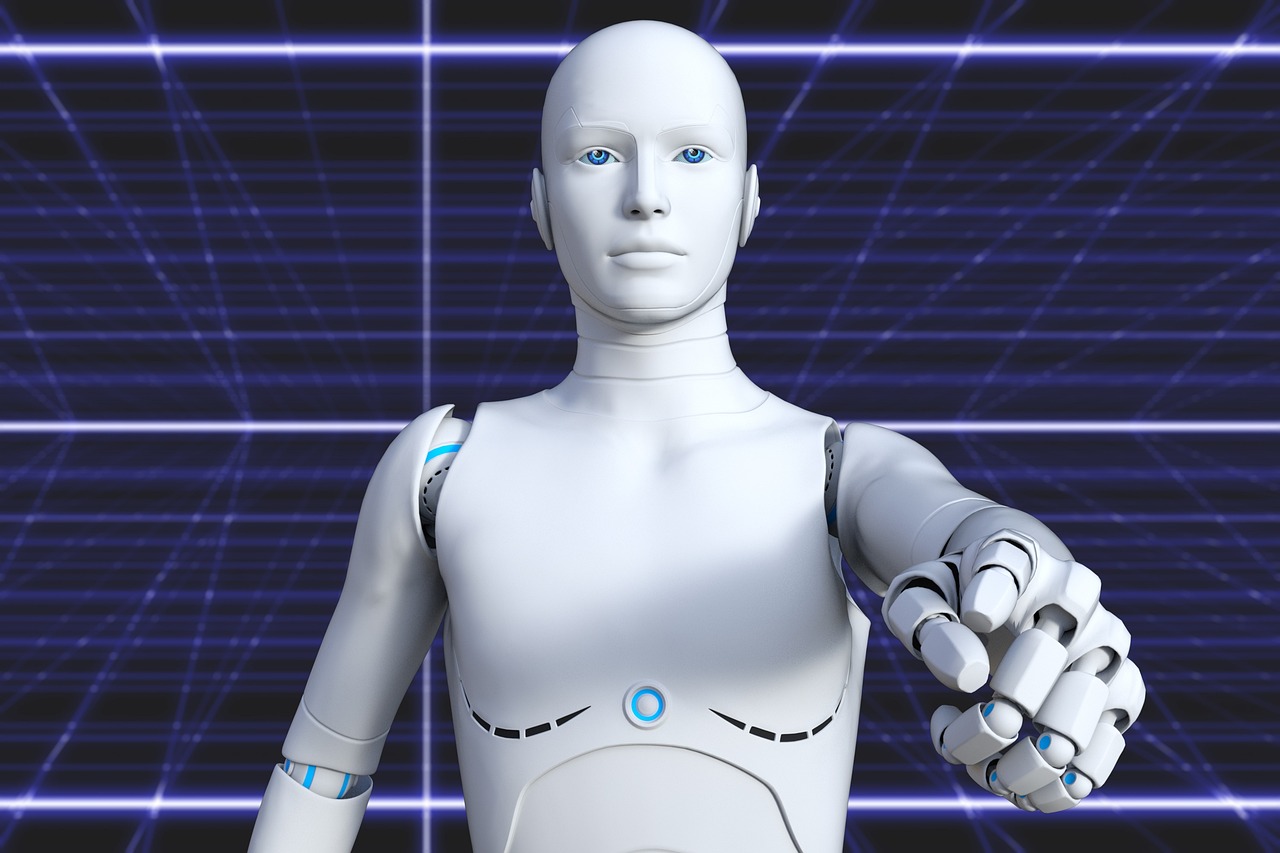
The Convergence of AI and Robotics
What is AI in Robotics?
AI in robotics refers to integrating artificial intelligence algorithms into robotic systems to enable them to perform tasks that traditionally require human intelligence. This includes:
- Perception: Using sensors and computer vision to understand the surrounding environment.
- Planning: Developing strategies and sequences of actions to achieve specific goals.
- Learning: Adapting and improving performance based on experience and feedback.
- Decision-Making: Making autonomous choices in complex and dynamic situations.
This convergence transforms robots from pre-programmed machines into adaptable, intelligent agents. The core aim is to create robots that are not just reactive, but also proactive and capable of problem-solving in real-time.
Key AI Techniques Used in Robotics
Several AI techniques are fundamental to the operation of AI-powered robots:
- Machine Learning (ML): Allows robots to learn from data without explicit Programming. Types of ML used are:
Supervised Learning: Training robots on labeled datasets to recognize patterns and make predictions (e.g., classifying objects on a conveyor belt).
Unsupervised Learning: Enabling robots to discover patterns and structures in unlabeled data (e.g., anomaly detection in manufacturing processes).
Reinforcement Learning: Training robots through trial and error, using rewards and penalties to optimize behavior (e.g., teaching a robot to navigate a complex environment).
- Computer Vision: Enables robots to “see” and interpret visual information from cameras. This is critical for tasks like object recognition, scene understanding, and navigation.
- Natural Language Processing (NLP): Allows robots to understand and respond to human language, facilitating human-robot interaction.
- Path Planning Algorithms: Enable robots to navigate efficiently and safely in complex environments, avoiding obstacles and optimizing routes. Examples include A, Dijkstra’s algorithm, and rapidly-exploring random trees (RRT).
Applications of AI in Robotics Across Industries
Manufacturing
AI-powered robots are transforming manufacturing processes by:
- Automating repetitive tasks: Robots can perform tasks like welding, painting, and assembly with greater speed and precision than humans. This reduces errors, increases throughput, and lowers labor costs.
- Improving quality control: Computer vision and machine learning algorithms can be used to inspect products for defects, ensuring higher quality and reducing waste.
- Optimizing supply chain management: AI can be used to forecast demand, optimize inventory levels, and improve logistics, making the supply chain more efficient.
- Example: FANUC’s CRX series of collaborative robots (cobots) use AI-powered vision systems to perform pick-and-place tasks, assembly, and inspection, working safely alongside human workers.
Healthcare
AI in robotics is revolutionizing healthcare by:
- Assisting surgeons: Surgical robots enhance precision and control during complex procedures, minimizing invasiveness and improving patient outcomes. Intuitive Surgical’s da Vinci Surgical System is a prime example.
- Providing rehabilitation therapy: Robots can assist patients with physical therapy, helping them regain mobility and independence.
- Automating pharmacy tasks: Robots can automate the dispensing of medications, reducing errors and freeing up pharmacists to focus on patient care.
- Disinfecting hospital rooms: Autonomous robots using UV light or chemical sprays can disinfect hospital rooms, reducing the spread of infections.
Logistics and Warehousing
AI-powered robots are streamlining logistics and warehousing operations by:
- Automating order fulfillment: Robots can pick, pack, and ship orders more quickly and accurately than humans.
- Improving warehouse efficiency: Robots can optimize storage and retrieval processes, reducing congestion and improving throughput.
- Autonomous navigation: Self-driving robots and forklifts can navigate warehouses without human intervention, moving goods safely and efficiently.
- Example: Amazon uses thousands of robots in its warehouses to move shelves of goods to human pickers, significantly reducing the time and effort required for order fulfillment.
Agriculture
AI-powered robots are transforming farming practices by:
- Automating planting and harvesting: Robots can plant seeds, tend crops, and harvest produce with greater precision and efficiency.
- Monitoring crop health: Drones equipped with sensors and AI algorithms can monitor crop health, detecting diseases and pests early on.
- Precision agriculture: Robots can apply fertilizers and pesticides only where needed, reducing waste and minimizing environmental impact.
- Example: Blue River Technology (owned by John Deere) uses computer vision and machine learning to identify weeds and spray them with herbicides, reducing herbicide usage by up to 80%.
Benefits of Integrating AI into Robotics
Increased Efficiency and Productivity
- AI-powered robots can work continuously without fatigue, increasing overall productivity and output.
- Automation of repetitive tasks frees up human workers to focus on more complex and creative tasks.
Improved Accuracy and Precision
- Robots can perform tasks with greater accuracy and precision than humans, reducing errors and improving quality.
- AI algorithms can optimize processes and improve efficiency, leading to better outcomes.
Enhanced Safety
- Robots can perform tasks in hazardous environments, reducing the risk of injury to human workers.
- AI-powered safety systems can detect and prevent accidents, creating a safer working environment.
Reduced Costs
- Automation can reduce labor costs and increase efficiency, leading to significant cost savings.
- Improved quality control reduces waste and rework, further reducing costs.
Greater Flexibility and Adaptability
- AI-powered robots can adapt to changing conditions and perform a variety of tasks, making them more versatile than traditional robots.
- Machine learning algorithms allow robots to continuously improve their performance and adapt to new situations.
Challenges and Considerations
High Initial Investment
- The initial cost of purchasing and deploying AI-powered robots can be significant.
- Ongoing maintenance and support costs also need to be considered.
Integration Complexity
- Integrating AI-powered robots into existing systems can be complex and require specialized expertise.
- Data integration and interoperability issues may arise.
Ethical Concerns
- The use of AI in robotics raises ethical concerns, such as job displacement, bias in algorithms, and the potential for misuse.
- Careful consideration needs to be given to the ethical implications of AI in robotics.
Data Requirements
- Many AI algorithms require large amounts of data to train effectively.
- Data privacy and security concerns need to be addressed.
Skill Gap
- A skilled workforce is needed to develop, deploy, and maintain AI-powered robotic systems.
- Addressing the skill gap through education and training programs is essential.
Conclusion
AI in robotics represents a significant leap forward in automation and intelligent systems. By combining the physical capabilities of robots with the cognitive abilities of AI, industries can unlock new levels of efficiency, productivity, and Innovation. While challenges remain, the benefits of integrating AI into robotics are undeniable, promising a future where robots play an increasingly important role in solving complex problems and enhancing human capabilities across a wide range of sectors. As the technology continues to evolve, it is crucial to address the ethical, social, and economic implications of AI in robotics to ensure a responsible and beneficial future for all.
Read our previous article: Zero-Knowledge: Scaling Ethereum Beyond The L2 Bottleneck
Visit Our Main Page https://thesportsocean.com/