Navigating the Digital landscape without a solid understanding of information security (infosec) is like driving without a seatbelt – you might be okay for a while, but the risks are significantly higher. In today’s interconnected world, where data is the new currency, protecting your sensitive information from cyber threats is paramount for individuals, businesses, and governments alike. This article delves into the core principles of infosec, exploring its key components, common threats, and practical steps you can take to bolster your defenses.
What is Information Security (Infosec)?
Information security, often abbreviated as infosec, encompasses the processes and tools designed to protect sensitive information from unauthorized access, use, disclosure, disruption, modification, or destruction. It’s a multi-faceted discipline that goes beyond just cybersecurity and encompasses physical security, data loss prevention, and risk management. Think of it as the overall strategy for safeguarding your valuable digital assets.
Core Principles of Infosec
Infosec rests on three fundamental pillars, often referred to as the CIA triad:
- Confidentiality: Ensuring that information is accessible only to authorized individuals. This is achieved through mechanisms like encryption, access controls, and data classification.
- Integrity: Maintaining the accuracy and completeness of information. This involves protecting data from unauthorized modification or deletion using methods such as hashing, digital signatures, and version control.
- Availability: Guaranteeing that authorized users have timely and reliable access to information and resources when they need them. This is supported by strategies such as redundancy, disaster recovery planning, and denial-of-service (DoS) protection.
These principles act as a foundation for building a robust infosec program. They guide the selection and implementation of security controls, ensuring that data is protected throughout its lifecycle.
The Scope of Infosec
Infosec extends beyond simply protecting computer systems. It encompasses:
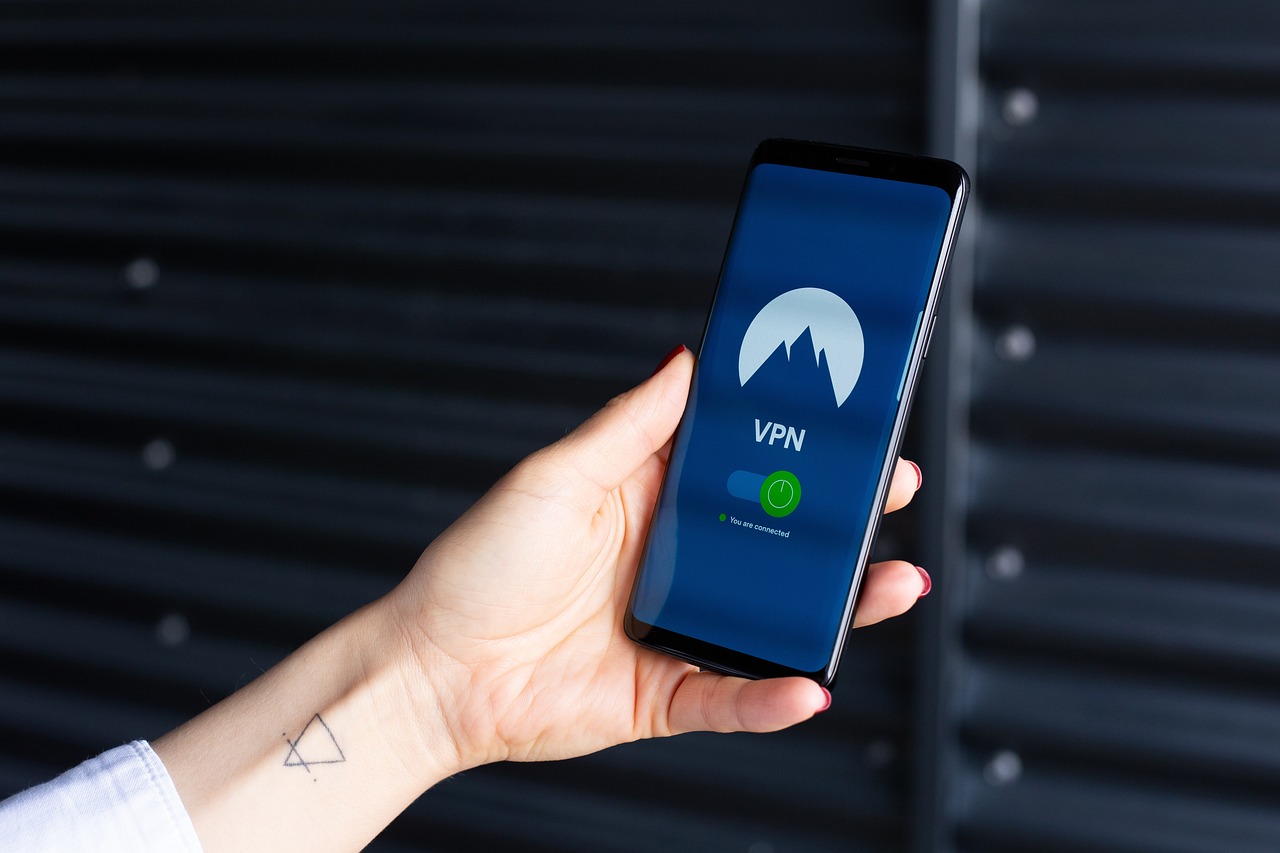
- Data Security: Protecting data at rest (stored on servers, hard drives, etc.) and data in transit (moving across networks). This includes encrypting sensitive databases, implementing secure file transfer protocols (SFTP), and using virtual private networks (VPNs).
- Network Security: Securing the network infrastructure from unauthorized access and malicious activity. This involves implementing firewalls, intrusion detection systems (IDS), and intrusion prevention systems (IPS).
- Application Security: Ensuring that Software applications are free from vulnerabilities that could be exploited by attackers. This includes conducting regular security audits, performing penetration testing, and following secure coding practices.
- Physical Security: Protecting physical assets, such as servers, workstations, and data centers, from unauthorized access or theft. This involves implementing security measures like access control systems, surveillance cameras, and environmental controls.
- Cloud Security: Securing data and applications hosted in the cloud. This includes configuring cloud security settings, implementing identity and access management (IAM), and using encryption services.
- Mobile Security: Protecting mobile devices and the data they contain. This includes implementing mobile device management (MDM) solutions, enforcing strong password policies, and using anti-malware software.
Common Information Security Threats
Understanding the threat landscape is crucial for developing effective security strategies. Here are some of the most prevalent threats in infosec:
Malware
Malware encompasses various types of malicious software designed to harm computer systems. Examples include:
- Viruses: Self-replicating programs that attach to other files and spread when the infected file is executed.
- Worms: Self-replicating programs that can spread across networks without human intervention.
- Trojans: Malicious programs disguised as legitimate software.
- Ransomware: Malware that encrypts a victim’s files and demands a ransom payment for decryption.
- Example: A ransomware attack can cripple an entire organization by encrypting critical data, forcing them to either pay the ransom or restore from backups. The 2017 WannaCry ransomware attack, for example, affected organizations worldwide, including hospitals, banks, and government agencies.
Phishing and Social Engineering
Phishing attacks involve using deceptive emails, websites, or phone calls to trick individuals into revealing sensitive information. Social engineering relies on manipulating individuals’ psychology to gain access to systems or data.
- Spear Phishing: Targeted phishing attacks aimed at specific individuals or organizations.
- Whaling: Highly targeted phishing attacks aimed at high-profile executives.
- Example: An employee receives an email that appears to be from their IT department, requesting them to update their password by clicking on a link. The link leads to a fake login page that steals their credentials.
Denial-of-Service (DoS) and Distributed Denial-of-Service (DDoS) Attacks
DoS attacks overwhelm a server or network with traffic, making it unavailable to legitimate users. DDoS attacks are launched from multiple compromised computers (a botnet), making them more difficult to defend against.
- Example: A website is flooded with requests from thousands of computers, causing it to slow down or become unresponsive. This can disrupt online services and damage the organization’s reputation.
Insider Threats
Insider threats originate from within an organization, either intentionally or unintentionally. These can include:
- Malicious Insiders: Employees who intentionally steal or damage data.
- Negligent Insiders: Employees who unintentionally cause security breaches through carelessness or lack of training.
- Example: An employee downloads sensitive data to a personal device without authorization, potentially exposing it to unauthorized access.
Zero-Day Exploits
Zero-day exploits are vulnerabilities in software that are unknown to the vendor. Attackers can exploit these vulnerabilities before a patch is available.
- Example: A security researcher discovers a flaw in a popular web browser. Before the browser vendor can release a patch, attackers begin exploiting the flaw to install malware on users’ computers.
Building a Strong Infosec Program
Creating a robust infosec program requires a holistic approach that encompasses people, processes, and Technology.
Risk Assessment and Management
- Identify Assets: Determine what information and systems are most valuable.
- Identify Threats: Analyze potential threats to those assets.
- Assess Vulnerabilities: Identify weaknesses that could be exploited.
- Determine Likelihood and Impact: Evaluate the probability of a threat occurring and the potential consequences.
- Implement Controls: Select and implement appropriate security controls to mitigate risks.
- Monitor and Review: Continuously monitor the effectiveness of security controls and make adjustments as needed.
- Example: A company identifies its customer database as a critical asset. They identify the risk of data breaches due to weak passwords and unpatched systems. They implement stronger password policies, patch management procedures, and intrusion detection systems to mitigate these risks.
Security Awareness Training
Educating employees about security threats and best practices is essential. Training should cover topics such as:
- Password security
- Phishing awareness
- Social engineering
- Data handling
- Incident reporting
- Example: Conduct regular phishing simulations to test employees’ ability to identify and report phishing emails. Provide immediate feedback and training to those who fall for the simulations.
Access Control and Identity Management
Implement robust access control mechanisms to restrict access to sensitive data and systems. This includes:
- Principle of Least Privilege: Granting users only the minimum level of access necessary to perform their job duties.
- Multi-Factor Authentication (MFA): Requiring users to provide multiple forms of identification, such as a password and a one-time code, before granting access.
- Role-Based Access Control (RBAC): Assigning access rights based on user roles.
- Example: Implement MFA for all employees accessing sensitive systems, such as email and financial applications.
Incident Response Planning
Develop a plan for responding to security incidents. This plan should outline:
- Procedures for detecting and reporting incidents
- Roles and responsibilities of incident response team members
- Steps for containing and eradicating incidents
- Procedures for recovering from incidents
- Communication protocols
- Example:* Create a detailed incident response plan that includes a dedicated incident response team, predefined escalation procedures, and pre-approved communication templates.
Infosec Best Practices for Individuals
While organizations require robust infosec programs, individuals also have a responsibility to protect their own information.
Strong Passwords and Password Management
- Use strong, unique passwords for each online account.
- Use a password manager to generate and store passwords securely.
- Enable multi-factor authentication (MFA) whenever possible.
- Change passwords regularly, especially if you suspect a breach.
Software Updates and Patching
- Keep operating systems, software applications, and browsers up to date.
- Enable automatic updates whenever possible.
- Install security patches promptly when they are released.
Be Wary of Phishing and Scams
- Be cautious of suspicious emails, websites, and phone calls.
- Never click on links or open attachments from unknown sources.
- Verify requests for sensitive information through alternative channels.
- Be aware of common scams and fraud schemes.
Secure Your Devices
- Install anti-malware software on your computers and mobile devices.
- Use a firewall to protect your network from unauthorized access.
- Encrypt your hard drive to protect your data in case of theft.
- Enable remote wipe capabilities on your mobile devices.
Conclusion
Information security is an ongoing process, not a one-time fix. As technology evolves and new threats emerge, it’s crucial to stay informed, adapt your security measures, and prioritize a proactive approach to protecting your information assets. By understanding the core principles of infosec, recognizing common threats, and implementing effective security controls, both organizations and individuals can significantly reduce their risk of becoming victims of cybercrime and maintain the confidentiality, integrity, and availability of their valuable information. Remember, security is everyone’s responsibility.
Read our previous article: AI Diagnoses: Revolutionizing Accuracy, Reshaping Healthcares Future
Visit Our Main Page https://thesportsocean.com/