Tokenomics, a portmanteau of “token” and “economics,” is the lifeblood of any successful cryptocurrency project. It’s the science (and art!) of designing and managing the economics of a cryptocurrency or token, ensuring its long-term viability, sustainability, and value. Simply put, it’s about how a token works within its ecosystem and how it motivates participation and growth. Understanding tokenomics is crucial for anyone looking to invest in or build upon Blockchain Technology.
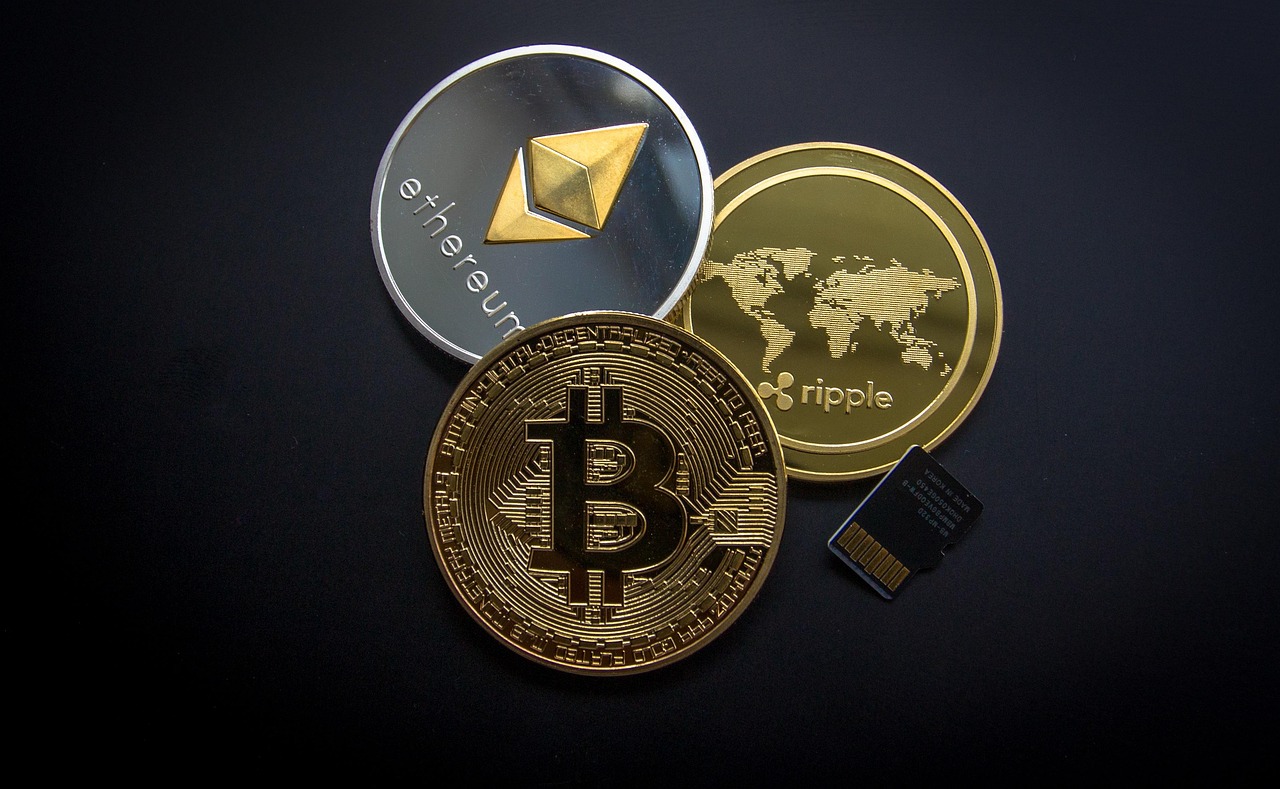
Understanding Tokenomics: The Foundation of Crypto Success
Tokenomics encompasses a wide array of factors that influence a token’s value, usage, and overall success. It’s not just about the initial distribution; it’s about the entire lifecycle and the mechanisms in place to sustain it. A well-designed tokenomic model can attract users, incentivize participation, and foster a thriving community. Conversely, poorly designed tokenomics can lead to volatility, lack of adoption, and ultimately, project failure.
Key Components of Tokenomics
Several core components contribute to a robust tokenomics model:
- Token Supply: This refers to the total number of tokens that exist or will ever exist. It’s crucial to understand whether the supply is fixed, inflationary (increases over time), or deflationary (decreases over time).
- Distribution Method: How tokens are initially distributed plays a significant role. Common methods include Initial Coin Offerings (ICOs), Initial Exchange Offerings (IEOs), airdrops, staking rewards, and mining.
- Utility: What is the token used for within the ecosystem? Is it used for governance, staking, transaction fees, access to specific services, or a combination of these?
- Token Burning: A mechanism where tokens are permanently removed from circulation, reducing the supply and potentially increasing the value of the remaining tokens.
- Staking Rewards: Rewarding token holders for locking up their tokens to support the network’s security and operations.
- Governance: Empowering token holders to participate in decision-making processes that shape the future of the project.
Examples of Tokenomics in Action
- Bitcoin (BTC): Bitcoin features a fixed supply of 21 million coins, a proof-of-work consensus mechanism where miners are rewarded with newly minted BTC for verifying transactions, and a halving event every four years that reduces the block reward, making it a deflationary asset over time. This creates scarcity and incentivizes miners to secure the network.
- Ethereum (ETH): Ethereum transitioned to a proof-of-stake consensus mechanism, where validators are rewarded with ETH for staking their tokens and validating transactions. EIP-1559 introduced a mechanism that burns a portion of the transaction fees, making ETH deflationary during periods of high network activity. This encourages long-term holding and reduces overall supply.
- Decentralized Exchanges (DEXs): Many DEXs issue their own tokens that are used for governance, staking, and providing liquidity. Users who stake the native token often receive a portion of the trading fees, incentivizing them to support the exchange.
Analyzing Token Supply: Inflationary vs. Deflationary
The token supply dynamic is a critical factor influencing a token’s value. Understanding whether a token is inflationary or deflationary is paramount.
Inflationary Tokens
- Definition: An inflationary token’s supply increases over time. This can occur through mining rewards, staking rewards, or other mechanisms.
- Potential Benefits: Can incentivize early adoption, reward participation, and fund ongoing development.
- Potential Drawbacks: Can lead to price dilution if the demand for the token doesn’t keep pace with the increasing supply.
- Example: Dogecoin (DOGE) is an inflationary cryptocurrency with no hard cap on the total supply.
Deflationary Tokens
- Definition: A deflationary token’s supply decreases over time. This can occur through token burning mechanisms, where tokens are permanently removed from circulation.
- Potential Benefits: Can increase the scarcity and potentially the value of the remaining tokens.
- Potential Drawbacks: Can potentially disincentivize spending and encourage hoarding if the supply decreases too rapidly.
- Example: Binance Coin (BNB) regularly burns a portion of its tokens based on trading volume, aiming to reduce the total supply and potentially increase the value of remaining BNB.
Fixed Supply Tokens
- Definition: A fixed supply token has a predetermined maximum number of tokens that will ever exist.
- Potential Benefits: Creates scarcity and can potentially make the token a good store of value.
- Potential Drawbacks: Can be less flexible in terms of rewarding participants or funding development.
- Example: Bitcoin (BTC), as mentioned previously, has a fixed supply of 21 million coins.
Token Utility: Driving Adoption and Value
Token utility is the primary reason why a token has value. The more useful a token is within its ecosystem, the greater the demand for it.
Types of Token Utility
- Governance: Token holders can vote on proposals and influence the direction of the project. This empowers the community and aligns incentives.
- Staking: Token holders can lock up their tokens to support the network and earn rewards. This helps secure the network and reduces the circulating supply.
- Transaction Fees: Tokens can be used to pay for transactions on the network. This creates a demand for the token and can generate revenue for the project.
- Access to Services: Tokens can grant access to exclusive features, content, or services within the ecosystem.
- Discounts and Rewards: Token holders may receive discounts on products or services or earn rewards for participating in the ecosystem.
Evaluating Token Utility
- Real-world Use Cases: Does the token solve a real-world problem or provide tangible value?
- Demand Drivers: What factors will drive demand for the token?
- Competition: How does the token’s utility compare to that of competing tokens?
- Sustainability: Is the token’s utility sustainable in the long term?
Example of Strong Utility: Chainlink (LINK)
Chainlink (LINK) is a decentralized oracle network that provides real-world data to smart contracts. The LINK token is used to pay node operators for providing data, making it essential for the functioning of the network. The growing demand for decentralized data feeds has driven the demand for LINK, making it a valuable token with strong utility.
Token Distribution: Fairness and Accessibility
How tokens are initially distributed is a crucial factor that can impact the success of a project. A fair and accessible distribution can foster a strong community and promote widespread adoption.
Common Distribution Methods
- Initial Coin Offering (ICO): A fundraising method where a project sells tokens to the public in exchange for cryptocurrency or fiat currency.
- Initial Exchange Offering (IEO): A token sale conducted on a cryptocurrency exchange.
- Airdrop: Distributing tokens to existing cryptocurrency holders for free.
- Mining: Rewarding users for verifying transactions and securing the network.
- Staking Rewards: Rewarding users for locking up their tokens to support the network.
- Private Sale: Selling tokens to accredited investors or venture capitalists before the public sale.
Ensuring Fair Distribution
- Transparency: Clearly communicate the token distribution plan to the community.
- Accessibility: Make it easy for users to participate in the token sale or airdrop.
- Decentralization: Avoid concentrating a large portion of the tokens in the hands of a few individuals or entities.
- Lock-up Periods: Implement lock-up periods for team members and early investors to prevent them from dumping their tokens on the market.
Example of a Poor Distribution: Excessive Pre-Mine
A project with a large pre-mine, where a significant portion of the tokens are allocated to the team or early investors before the public sale, can create concerns about centralization and potential manipulation. This can discourage participation from the community and negatively impact the token’s long-term prospects.
Potential Pitfalls of Poor Tokenomics
Even the most innovative project can fail if its tokenomics are poorly designed. Here are some common pitfalls to avoid:
Hyperinflation
- Problem: Excessive token issuance without sufficient utility can lead to rapid inflation and a decline in value.
- Solution: Implement a controlled inflation rate or introduce deflationary mechanisms to balance supply and demand.
Lack of Utility
- Problem: A token with limited or no utility will struggle to attract users and maintain value.
- Solution: Design a token with clear use cases that are essential to the functioning of the ecosystem.
Centralization
- Problem: Concentrating a large portion of the tokens in the hands of a few individuals or entities can lead to manipulation and a lack of decentralization.
- Solution: Implement a fair and accessible distribution plan and encourage community participation.
Ponzi Schemes
- Problem: Tokenomics that primarily rely on new users to pay existing users are unsustainable and ultimately lead to collapse.
- Solution: Focus on building a product or service that generates real value and revenue, rather than relying on unsustainable reward structures.
Conclusion
Tokenomics is a complex and multifaceted discipline that is essential for the success of any cryptocurrency project. By understanding the key components of tokenomics, such as token supply, distribution, utility, and potential pitfalls, you can make informed decisions about which projects to invest in and how to design sustainable token economies. Always do your own research, analyze the tokenomics model carefully, and consider the long-term prospects of the project before investing. Ultimately, a well-designed tokenomics model is crucial for creating a thriving and sustainable cryptocurrency ecosystem.
Read our previous article: Mobile App ROI: Beyond Downloads, Towards True Value
Visit Our Main Page https://thesportsocean.com/