Embarking on the journey of cryptocurrency trading can feel like stepping into a complex world, filled with jargon, volatile markets, and the potential for both significant gains and substantial losses. However, with the right knowledge, strategies, and risk management techniques, navigating the Crypto market can become a rewarding experience. This guide provides a comprehensive overview of crypto trading, covering essential aspects from understanding the basics to implementing advanced strategies.
Understanding Cryptocurrency Trading
What is Crypto Trading?
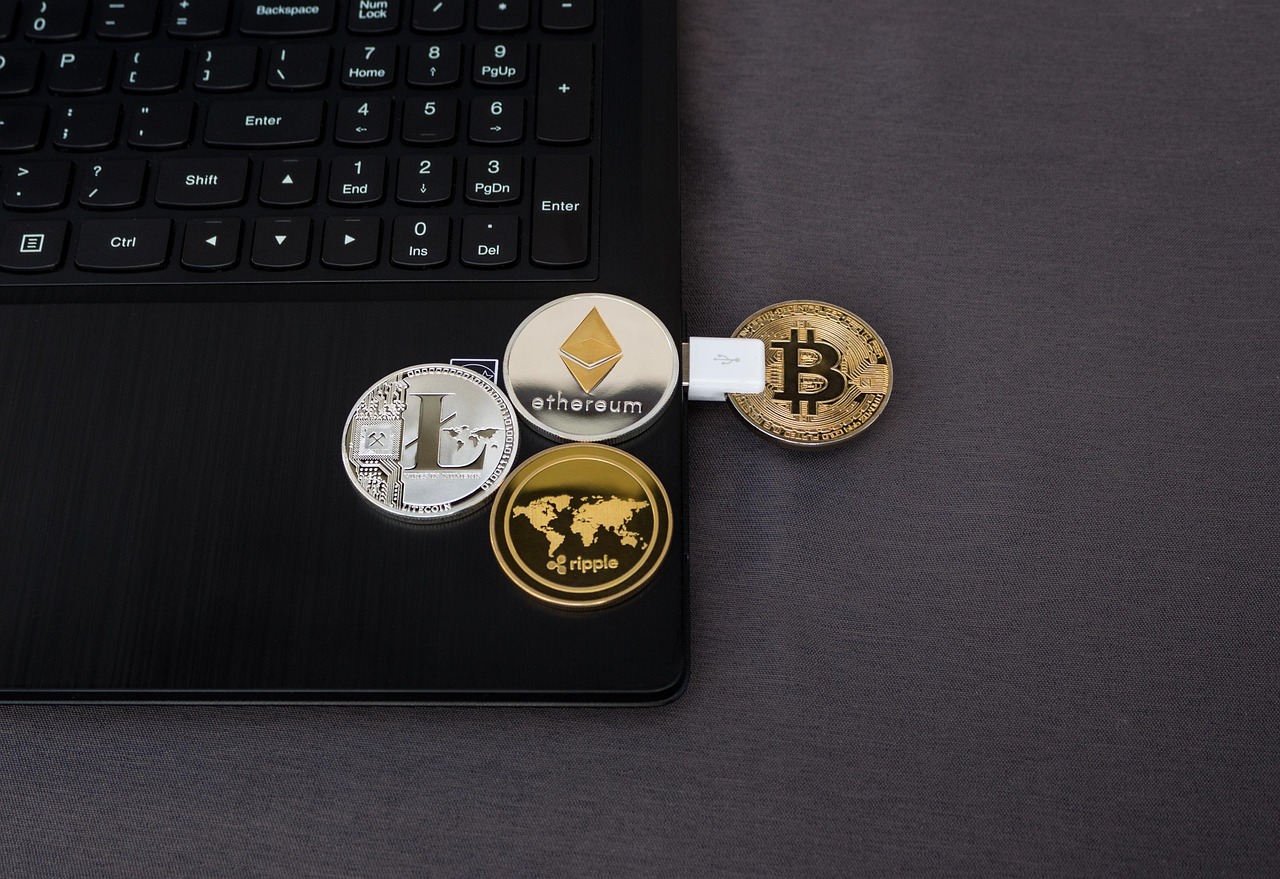
Crypto trading involves buying and selling cryptocurrencies like Bitcoin, Ethereum, and Ripple on various exchanges with the goal of profiting from price fluctuations. Unlike traditional investing, which often focuses on long-term growth, crypto trading can involve short-term strategies to capitalize on market volatility.
- Example: Imagine buying Bitcoin at $30,000 and selling it at $32,000, pocketing the $2,000 difference (minus any trading fees). This is a simplified example of a successful trade.
Key Differences Between Investing and Trading
While both investing and trading involve buying assets, their approaches differ significantly:
- Investing: Focuses on long-term asset appreciation. Investors typically research and select fundamentally strong assets and hold them for years.
- Trading: Focuses on short-term price movements. Traders use technical analysis and market sentiment to identify opportunities for quick profits.
- Time Horizon: Investors have a longer time horizon, while traders have a shorter one.
- Risk Tolerance: Traders typically have a higher risk tolerance than investors.
- Analysis Techniques: Investors use fundamental analysis, while traders use technical analysis.
Popular Cryptocurrencies for Trading
Several cryptocurrencies are popular among traders due to their liquidity and volatility:
- Bitcoin (BTC): The first and most well-known cryptocurrency, often seen as a safe haven.
- Ethereum (ETH): Known for its smart contract capabilities and decentralized applications.
- Ripple (XRP): Designed for fast and low-cost international money transfers.
- Litecoin (LTC): Often referred to as the “silver” to Bitcoin’s “gold,” known for its faster transaction times.
- Cardano (ADA): A third-generation Blockchain focused on sustainability and scalability.
Getting Started with Crypto Trading
Choosing a Crypto Exchange
Selecting the right crypto exchange is crucial for a smooth trading experience. Consider these factors:
- Security: Look for exchanges with robust security measures like two-factor authentication (2FA) and cold storage for funds.
- Liquidity: Higher liquidity ensures easier and faster trade execution.
- Fees: Compare trading fees, withdrawal fees, and deposit fees across different exchanges.
- Supported Cryptocurrencies: Ensure the exchange offers the cryptocurrencies you want to trade.
- User Interface: Opt for an exchange with a user-friendly interface, especially if you’re a beginner.
- Customer Support: Check the availability and responsiveness of customer support.
Popular exchanges include Coinbase, Binance, Kraken, and Gemini. Each has its strengths and weaknesses, so do your research to find the best fit.
Setting Up Your Account and Funding It
- Practical Tip: Start with small amounts when you’re new to trading to minimize potential losses.
Understanding Order Types
Understanding different order types is fundamental for executing trades effectively:
- Market Order: An order to buy or sell at the best available price immediately.
- Limit Order: An order to buy or sell at a specific price. The order will only be executed if the market reaches that price.
- Stop-Loss Order: An order to sell when the price reaches a specific level to limit potential losses.
- Stop-Limit Order: A combination of a stop order and a limit order. It becomes a limit order when the stop price is reached.
- Example: Setting a stop-loss order at 5% below your purchase price can protect you from significant losses if the market turns against you.
Crypto Trading Strategies
Day Trading
Day trading involves opening and closing positions within the same day to profit from small price movements.
- Key Points:
Requires constant monitoring of the market.
Involves high leverage, which can amplify both gains and losses.
Demands a strong understanding of technical analysis.
Swing Trading
Swing trading involves holding positions for several days or weeks to profit from price swings.
- Key Points:
Requires less intensive monitoring than day trading.
Relies on identifying patterns and trends in price charts.
Can be less stressful than day trading.
Scalping
Scalping involves making numerous small trades throughout the day to accumulate small profits.
- Key Points:
Requires quick decision-making and fast execution.
Relies on taking advantage of small price discrepancies.
Suitable for highly liquid markets.
Arbitrage
Arbitrage involves buying a cryptocurrency on one exchange and selling it on another exchange where the price is higher.
- Key Points:
Relies on price differences between exchanges.
Requires quick execution to capitalize on fleeting opportunities.
Can be risky due to transaction fees and price slippage.
- Example: If Bitcoin is trading at $30,000 on Exchange A and $30,200 on Exchange B, you could buy Bitcoin on Exchange A and sell it on Exchange B for a $200 profit (before fees).
Risk Management in Crypto Trading
Setting Stop-Loss Orders
Stop-loss orders are essential for limiting potential losses. They automatically sell your cryptocurrency when the price reaches a specified level.
- Example: If you buy Ethereum at $2,000, you might set a stop-loss order at $1,900 to limit your loss to $100 per Ethereum if the price declines.
Diversifying Your Portfolio
Diversifying your portfolio by investing in multiple cryptocurrencies can reduce risk. Avoid putting all your eggs in one basket.
- Example: Instead of investing all your funds in Bitcoin, consider diversifying into Ethereum, Litecoin, and Cardano to spread your risk.
Using Leverage Wisely
Leverage can amplify both profits and losses. Use leverage cautiously and only if you fully understand the risks involved.
- Practical Tip: Start with low leverage (e.g., 2x or 3x) and gradually increase it as you gain experience and confidence.
Managing Your Emotions
Emotional trading can lead to impulsive decisions and poor outcomes. Stick to your trading plan and avoid making decisions based on fear or greed.
- Key Points:
Avoid chasing losses.
Don’t let profits turn into losses by holding on too long.
Take breaks when you feel overwhelmed or stressed.
Technical Analysis for Crypto Trading
Understanding Chart Patterns
Chart patterns are visual representations of price movements that can provide insights into future price trends.
- Common Chart Patterns:
Head and Shoulders: Indicates a potential reversal of an uptrend.
Double Top/Bottom: Indicates a potential reversal of a trend.
Triangles: Indicates a period of consolidation before a potential breakout.
Flags and Pennants: Indicate a continuation of a trend.
Using Indicators and Oscillators
Indicators and oscillators are mathematical calculations based on price and volume data that can help identify potential trading opportunities.
- Popular Indicators:
Moving Averages (MA): Smooth out price data to identify trends.
Relative Strength Index (RSI): Measures the magnitude of recent price changes to evaluate overbought or oversold conditions.
Moving Average Convergence Divergence (MACD): Identifies potential trend changes.
Fibonacci Retracement: Identifies potential support and resistance levels.
Reading Candlestick Charts
Candlestick charts provide detailed information about price movements over a specific period. Each candlestick represents the open, high, low, and close prices.
- Key Candlestick Patterns:
Doji: Indicates indecision in the market.
Hammer/Hanging Man: Indicates a potential reversal of a downtrend/uptrend.
Engulfing Pattern: Indicates a potential trend reversal.
Conclusion
Crypto trading presents significant opportunities for profit, but it also comes with inherent risks. Success in this dynamic market requires a combination of knowledge, strategy, and discipline. By understanding the basics, implementing effective trading strategies, managing risk diligently, and continuously learning, you can increase your chances of achieving your financial goals in the world of cryptocurrency trading. Remember to start small, be patient, and always prioritize education and responsible trading practices.
Read our previous article: Cloud Alchemy: Transmuting Business With Serverless Tech
Visit Our Main Page https://thesportsocean.com/