Network security is no longer optional; it’s a necessity. In today’s interconnected world, businesses and individuals alike are constantly under threat from cyberattacks. From data breaches and ransomware to phishing scams and denial-of-service attacks, the landscape of cyber threats is constantly evolving. Understanding the core principles of network security, implementing robust security measures, and staying up-to-date with the latest threats are crucial steps in protecting your data, systems, and reputation. This article will delve into the essential aspects of network security, offering practical advice and insights to help you fortify your Digital defenses.
Understanding Network Security Threats
Common Types of Cyberattacks
Understanding the different types of cyberattacks is the first step in building a solid defense. Here are some of the most prevalent threats:
- Malware: This encompasses various malicious Software, including viruses, worms, and Trojans, designed to infiltrate systems and steal data, disrupt operations, or gain unauthorized access. A classic example is ransomware, which encrypts a victim’s files and demands a ransom payment for their release.
- Phishing: Phishing attacks use deceptive emails, websites, or text messages to trick individuals into revealing sensitive information like passwords, credit card details, or social security numbers. A common tactic involves impersonating a legitimate organization, such as a bank or online retailer.
- Denial-of-Service (DoS) & Distributed Denial-of-Service (DDoS) Attacks: These attacks flood a network or server with traffic, overwhelming its resources and making it unavailable to legitimate users. DDoS attacks utilize multiple compromised devices (a botnet) to amplify the attack’s impact. Think of it as a digital traffic jam intentionally created to shut down a website.
- Man-in-the-Middle (MitM) Attacks: In this type of attack, a malicious actor intercepts communication between two parties, secretly eavesdropping or altering the data being exchanged. A common example is intercepting traffic on an unsecured Wi-Fi network.
- SQL Injection: This attack exploits vulnerabilities in a database application by injecting malicious SQL code. This can allow attackers to bypass security measures and gain unauthorized access to sensitive data stored in the database.
- Zero-Day Exploits: These attacks target vulnerabilities that are unknown to the software vendor, meaning there’s no patch available to fix the problem. This makes them particularly dangerous and difficult to defend against.
Identifying Vulnerabilities
Proactive identification of vulnerabilities is essential. Regularly conduct:
- Vulnerability Scanning: Use automated tools to scan your network and systems for known vulnerabilities. These tools can identify outdated software, misconfigured settings, and other potential weaknesses.
- Penetration Testing (Ethical Hacking): Hire ethical hackers to simulate real-world attacks and identify security flaws. This provides a more in-depth assessment of your security posture and helps you understand how an attacker might exploit vulnerabilities.
- Security Audits: Conduct regular security audits to review your security policies, procedures, and controls. This helps ensure that your security measures are effective and compliant with relevant regulations.
- Stay Informed: Keep up-to-date with the latest security threats and vulnerabilities by subscribing to security newsletters, following security experts on social media, and attending security conferences.
The Human Factor
It’s crucial to remember that even the best security Technology can be undermined by human error. Social engineering, lack of awareness, and weak passwords are all potential entry points for attackers.
- Employee Training: Implement regular security awareness training for all employees to educate them about common threats, such as phishing and social engineering, and best practices for protecting sensitive information.
- Strong Password Policies: Enforce strong password policies that require users to create complex passwords and change them regularly. Consider implementing multi-factor authentication (MFA) for added security.
- Insider Threats: Implement measures to detect and prevent insider threats, such as monitoring employee activity and limiting access to sensitive data based on job roles.
Implementing Network Security Measures
Firewalls
Firewalls are a crucial first line of defense, acting as a barrier between your network and the outside world. They examine incoming and outgoing network traffic and block any traffic that doesn’t meet your pre-defined security rules.
- Types of Firewalls:
Hardware Firewalls: Dedicated physical appliances that provide robust security.
Software Firewalls: Software applications that run on individual computers or servers.
- Firewall Rules: Configure your firewall rules to allow only necessary traffic and block all other traffic. Regularly review and update your firewall rules to ensure they remain effective. A common example is allowing only HTTP (port 80) and HTTPS (port 443) traffic for web servers while blocking all other incoming ports.
- Next-Generation Firewalls (NGFWs): These advanced firewalls offer features like intrusion prevention, application control, and deep packet inspection, providing more comprehensive security.
Intrusion Detection and Prevention Systems (IDS/IPS)
IDS/IPS solutions monitor network traffic for malicious activity and take action to prevent or mitigate threats.
- Intrusion Detection Systems (IDS): Detect suspicious activity and alert administrators.
- Intrusion Prevention Systems (IPS): Actively block or prevent malicious activity.
- Placement: Strategically place IDS/IPS sensors throughout your network to monitor traffic at critical points.
- Signature-Based vs. Anomaly-Based Detection:
Signature-Based: Detects known threats based on predefined signatures.
Anomaly-Based: Identifies suspicious activity based on deviations from normal network behavior.
Virtual Private Networks (VPNs)
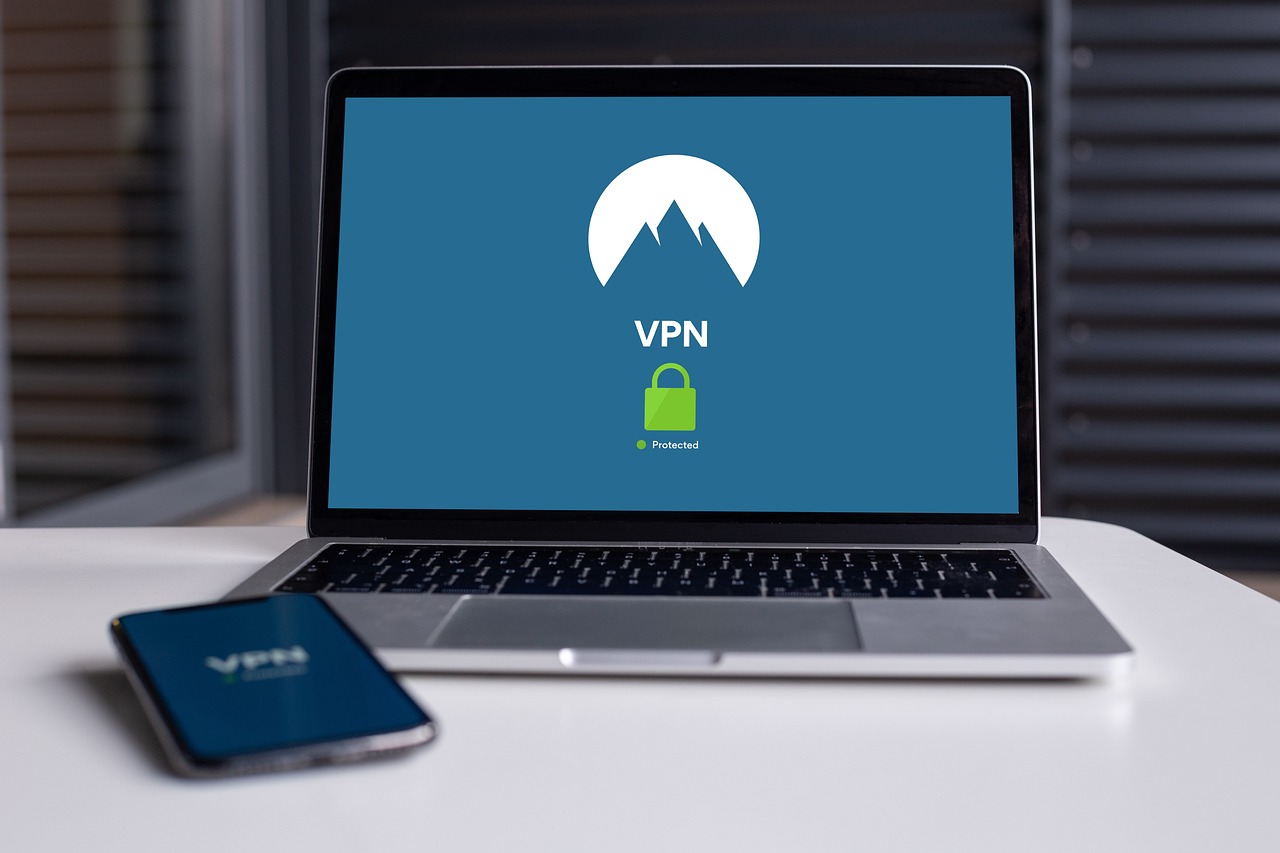
VPNs create a secure, encrypted connection between your device and the internet, protecting your data from eavesdropping and ensuring privacy.
- Remote Access: Allow remote employees to securely access your network.
- Data Encryption: Encrypt data transmitted over public networks, such as Wi-Fi hotspots.
- Choosing a VPN: Select a reputable VPN provider with strong encryption and a clear privacy policy.
Network Segmentation
Network segmentation divides your network into smaller, isolated segments, limiting the impact of a security breach.
- Benefits:
Contain breaches and prevent them from spreading throughout your network.
Improve security by isolating sensitive data and systems.
* Simplify network management.
- Implementation: Use firewalls, VLANs (Virtual LANs), and other network technologies to create segments. For example, separate your guest Wi-Fi network from your internal network.
Wireless Network Security
Securing Your Wireless Network
Wireless networks are a common target for attackers because they can be easily accessed from outside your organization. Proper configuration is essential.
- WPA3 Encryption: Use WPA3 (Wi-Fi Protected Access 3) encryption, the latest and most secure wireless security protocol. If WPA3 is not an option, use WPA2. Avoid using WEP (Wired Equivalent Privacy), which is outdated and easily crackable.
- Strong Passwords: Set a strong, unique password for your wireless network.
- SSID Hiding: Consider hiding your network’s SSID (Service Set Identifier) to make it less visible to attackers. However, this is not a foolproof security measure.
- MAC Address Filtering: Restrict access to your wireless network based on MAC (Media Access Control) addresses. However, MAC addresses can be spoofed, so this should not be your only security measure.
- Guest Network: Create a separate guest network for visitors to provide internet access without granting access to your internal network.
Wireless Intrusion Prevention Systems (WIPS)
WIPS solutions monitor your wireless network for unauthorized access points, rogue devices, and other security threats. They can automatically block or prevent malicious activity, providing an extra layer of security for your wireless network.
Maintaining Network Security
Regular Updates and Patch Management
Keeping your software and systems up-to-date is critical. Software updates often include security patches that fix known vulnerabilities.
- Automated Patching: Use automated patch management tools to ensure that your software is updated regularly.
- Testing Patches: Before deploying patches to your production environment, test them in a test environment to ensure they don’t cause any compatibility issues.
- Vendor Notifications: Subscribe to vendor notifications to receive alerts about security updates and vulnerabilities.
Monitoring and Logging
Continuous monitoring and logging are essential for detecting and responding to security incidents.
- Security Information and Event Management (SIEM) Systems: Use SIEM systems to collect, analyze, and correlate security logs from various sources.
- Log Analysis: Regularly review your security logs to identify suspicious activity.
- Alerting: Configure alerts to notify administrators of critical security events.
Incident Response Planning
Having a well-defined incident response plan is crucial for effectively responding to security incidents.
- Develop a Plan: Create a detailed incident response plan that outlines the steps to be taken in the event of a security breach.
- Identify Key Personnel: Identify key personnel who will be responsible for responding to security incidents.
- Practice and Test: Regularly practice and test your incident response plan to ensure it is effective. Tabletop exercises simulating various breach scenarios are an excellent way to test the plan.
- Documentation: Document all security incidents and the steps taken to resolve them. This information can be used to improve your security measures.
Conclusion
Protecting your network requires a multi-layered approach. By understanding the types of threats, implementing appropriate security measures, and maintaining vigilance, you can significantly reduce your risk of becoming a victim of cybercrime. Remember that network security is an ongoing process, not a one-time fix. Stay informed, adapt to the evolving threat landscape, and prioritize security in all aspects of your digital operations. A proactive approach is the best defense in today’s increasingly complex cyber world.
Read our previous article: Decoding AI: Are We Building Intelligent Black Boxes?
Visit Our Main Page https://thesportsocean.com/